Functional life-long maintenance of engineered liver tissue in mice following transplantation under the kidney capsule
450 days
Abstract
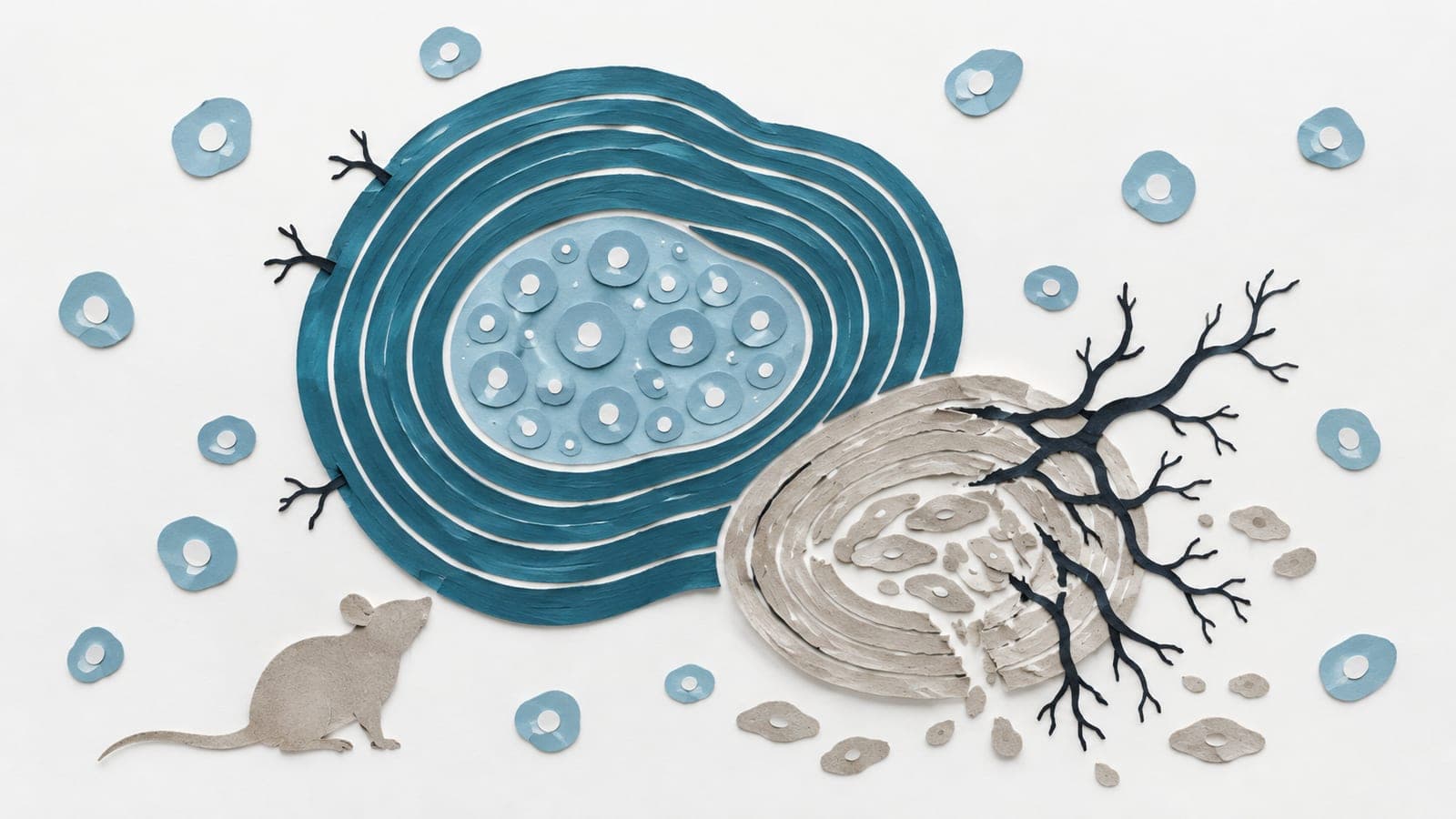
The ability to engineer biologically active cells and tissue matrices with long-term functional maintenance has been a principal focus for investigators in the field of hepatocyte transplantation and liver tissue engineering. The present study was designed to determine the efficacy and temporal persistence of functional engineered liver tissue following transplantation under the kidney capsule of a normal mouse. Hepatocytes were isolated from human alpha-1 antitrypsin (hA1AT) transgenic mouse livers. Hepatocytes were subsequently transplanted under the kidney capsule space in combination with extracellular matrix components (Matrigel) for engineering liver tissues. The primary outcome of interest was to assess the level of engineering liver tissue function over the experimental period, which was 450 days. Long-term survival by the engineered liver tissue was confirmed by measuring the serum level of hA1AT in the recipient mice throughout the experimental period. In addition, administration of chemical compounds at day 450 resulted in the ability of the engineered liver tissue to metabolize exogenously circulating compounds and induce drug-metabolizing enzyme production. Moreover, we were able to document that the engineered tissues could retain their native regenerative potential similar to that of naïve livers. Overall, these results demonstrated that liver tissues could be engineered at a heterologous site while stably maintaining its functionality for nearly the life span of a normal mouse.
- Engineered liver tissue transplantation
- SERPINA1
- Extracellular matrix remodelling
- Drug-metabolizing enzyme production
- Serum hA1AT
- Mice
The paper
Tokyo Women's Medical University
Journal of Tissue Engineering and Regenerative Medicine, 1 Feb 2010