Three-protein combination eased chronic liver disease in rats
In experiments in male Wistar rats, intermittently producing three gene-regulating proteins reduced chronic liver injury and scarring and increased survival.
Communications Biology
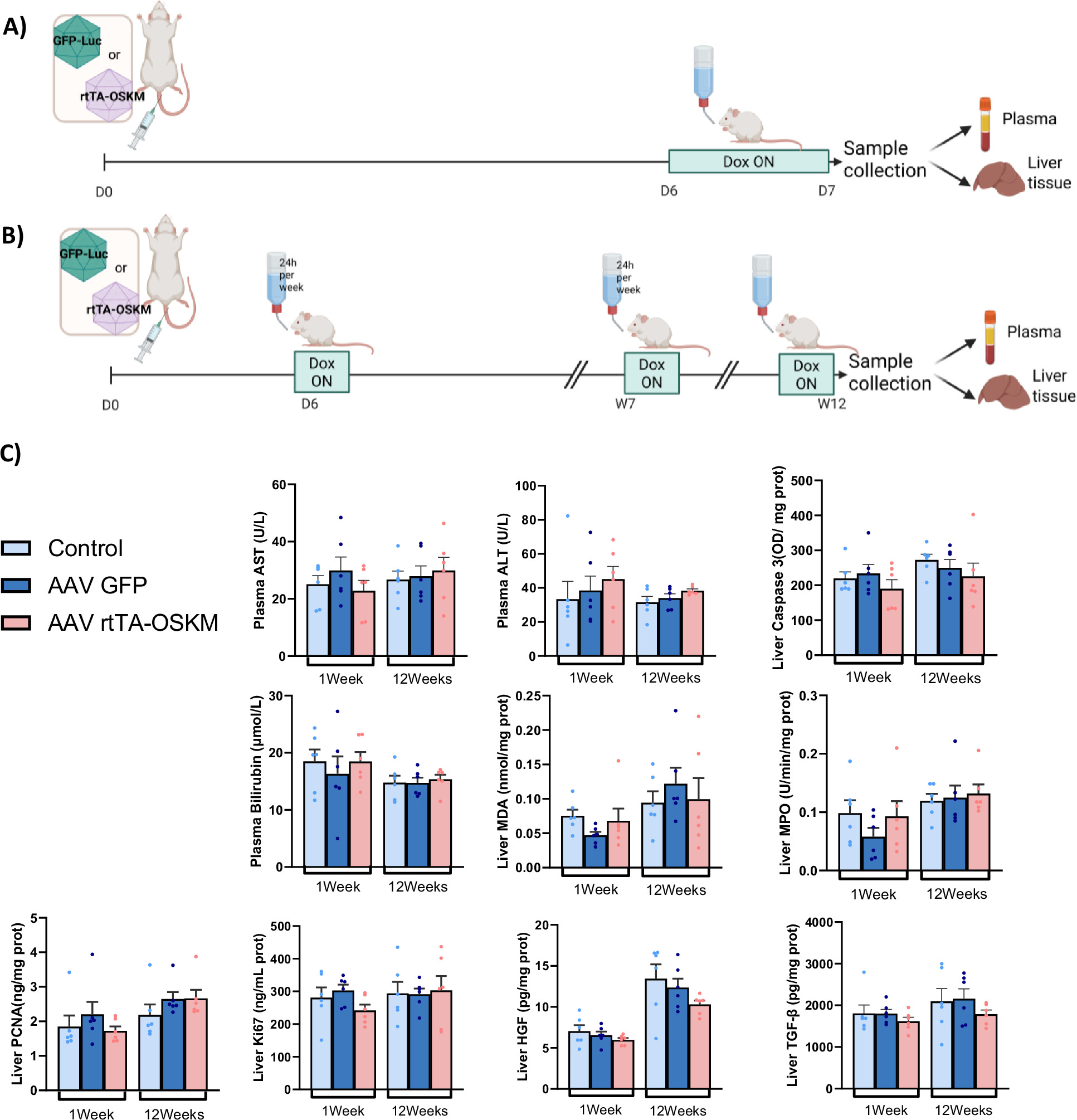
In an experiment in male Wistar rats, researchers tested three gene-regulating proteins—Oct4, Sox2 and Klf4—and a version that also included c-Myc, another such protein. They delivered the genes in a single dose of a virus and switched them on intermittently with doxycycline, an antibiotic, once a week. Rats had restricted liver blood flow or metabolic dysfunction-associated steatohepatitis, a disease involving liver fat and inflammation. Some rats with the latter disease also had cirrhosis, advanced liver scarring.
Both combinations reduced damage after restricted blood flow. Only the three-protein combination improved chronic liver disease, reducing tissue injury and scarring and increasing survival. The four-protein version offered no benefit in either chronic model. In rats with the metabolic disease but no cirrhosis, it worsened liver injury and scarring, induced tumours and reduced survival.
Why it matters
The study addressed the balance between liver regeneration and harmful effects, a question relevant to efforts to restore damaged tissues in aging research.
Caveats
These experiments tested induced liver disease in male rats, not people. Human safety and benefit were not tested.
- AAV-mediated osk expression
- AAV-mediated oskm expression
- POU5F1
- SOX2
- Metabolic dysfunction-associated steatohepatitis
- Rats
The paper
Show 8 more authors
Marc Micó-Carnero, Carlos Rojano-Alfonso, Albert Caballeria-Casals, Francisco Sanus, Isabel Lopez-Sanchez, Jordi Gracia‐Sancho, Yosu Luque, Carmen Peralta,Consorci Institut D'Investigacions Biomediques August Pi I Sunyer · Hospital Clínic de Barcelona
Communications Biology · 5 Oct 2026 · CC BY-NC-ND