Layered gel improved spinal disc structure and function in rats
An experiment in rats with severe spinal disc degeneration found that a cell-carrying gel promoted new tissue formation and outperformed cells or a support scaffold alone.
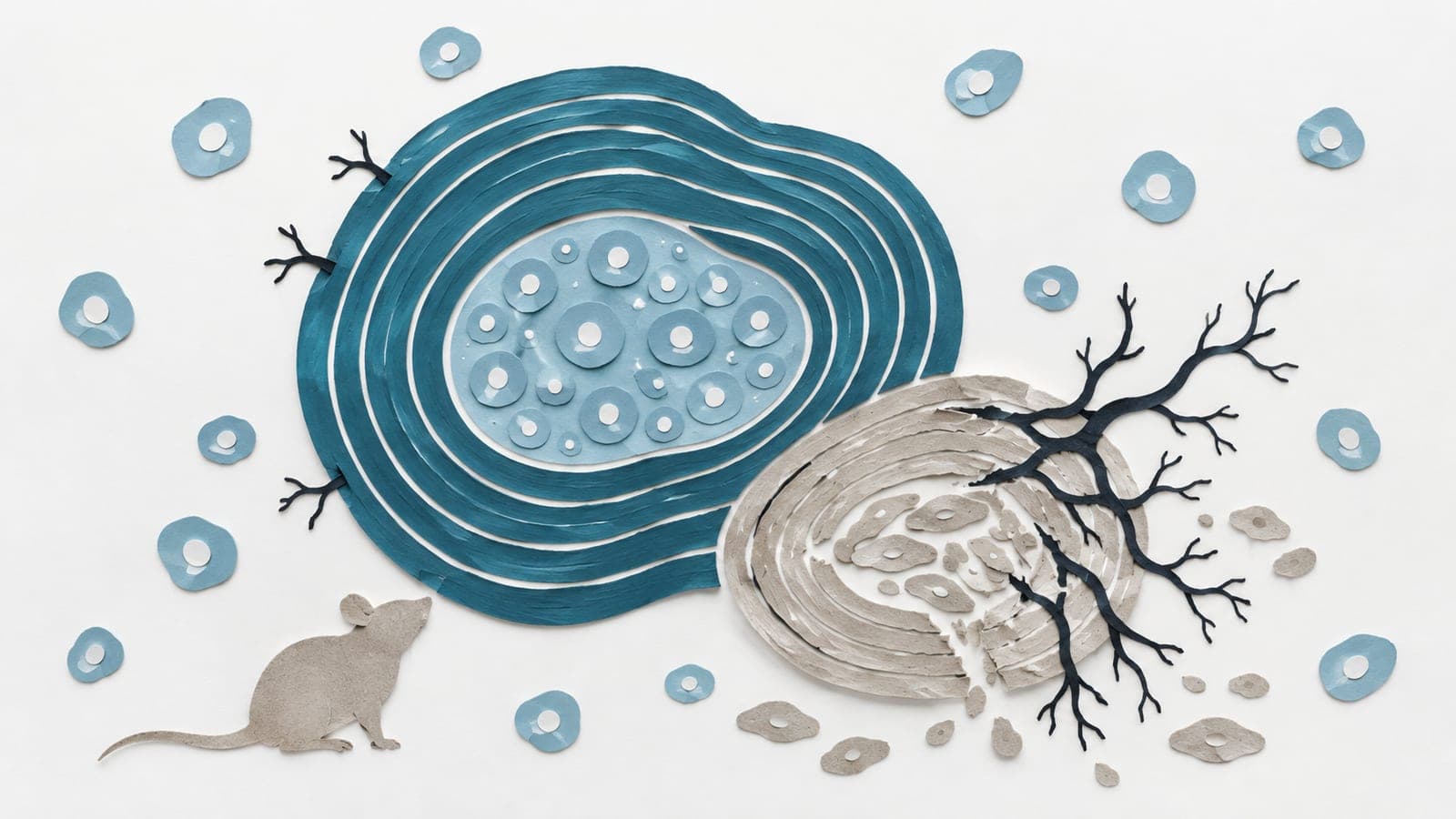
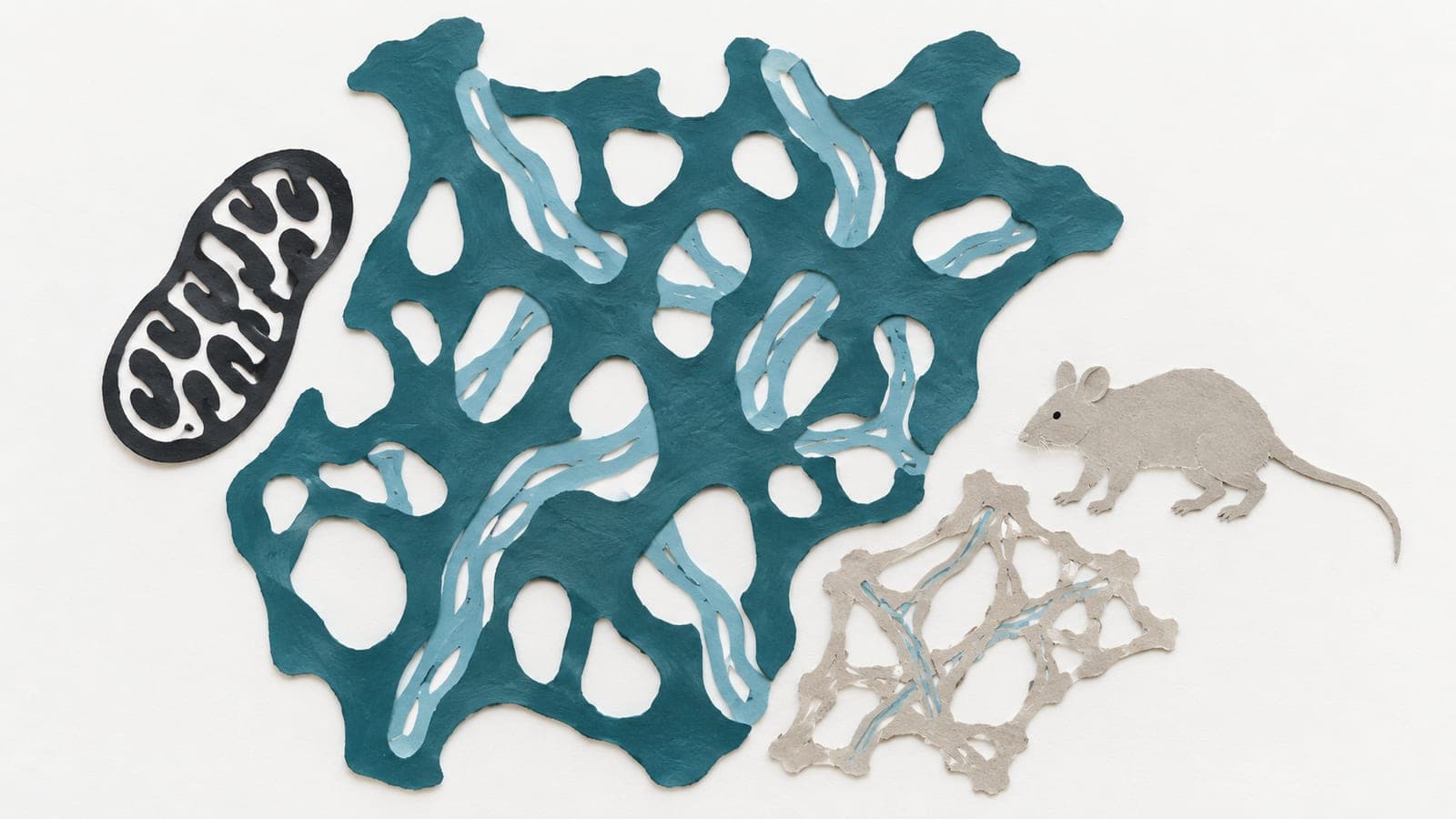
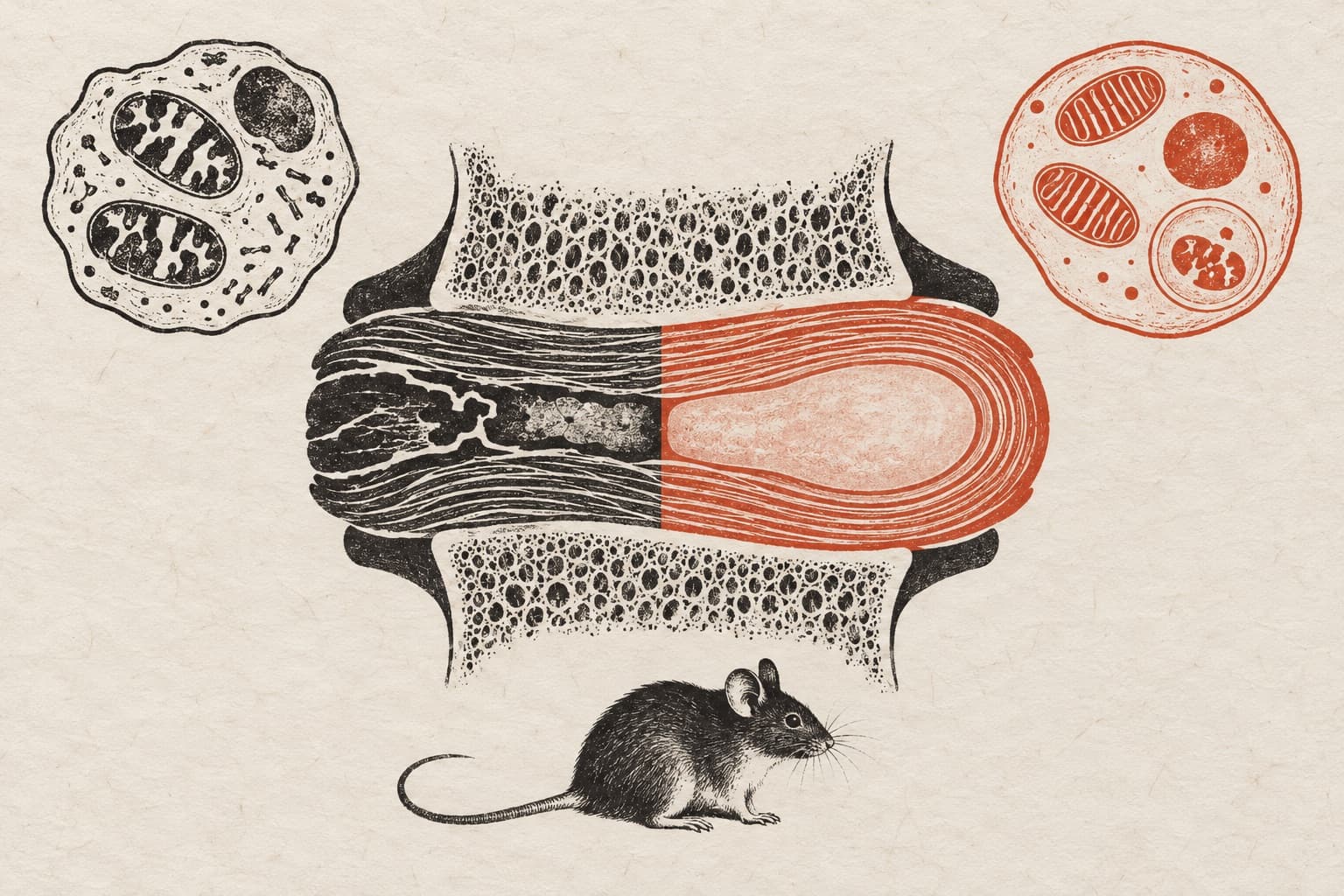
Rats with severe degeneration of the discs between their spinal bones received a three-layered gel system in an animal experiment. The outer layer carried disc progenitor cells, which can develop into specialised cells. A middle scaffold provided support. The inner layer contained particles designed to target mitochondria, the cells’ energy-producing structures.
The gel improved disc structure, promoted new tissue formation and restored mechanical function. It outperformed cells or a support scaffold alone. In separate experiments with disc progenitor cells grown in the lab, the particles protected cells from damage caused by reactive oxygen molecules and restored mitochondrial function. They also enhanced mitophagy, the breakdown and recycling of mitochondria.
Why it matters
For age-related spinal disc degeneration, the work explored whether supplying progenitor cells while improving their surroundings could support tissue regeneration.
Caveats
The findings came from an animal model and cells grown in the lab, not people. The abstract did not report animal numbers, follow-up duration or harms.
The paper
The First Affiliated Hospital of Soochow University
Science Advances, 14 Oct 2026