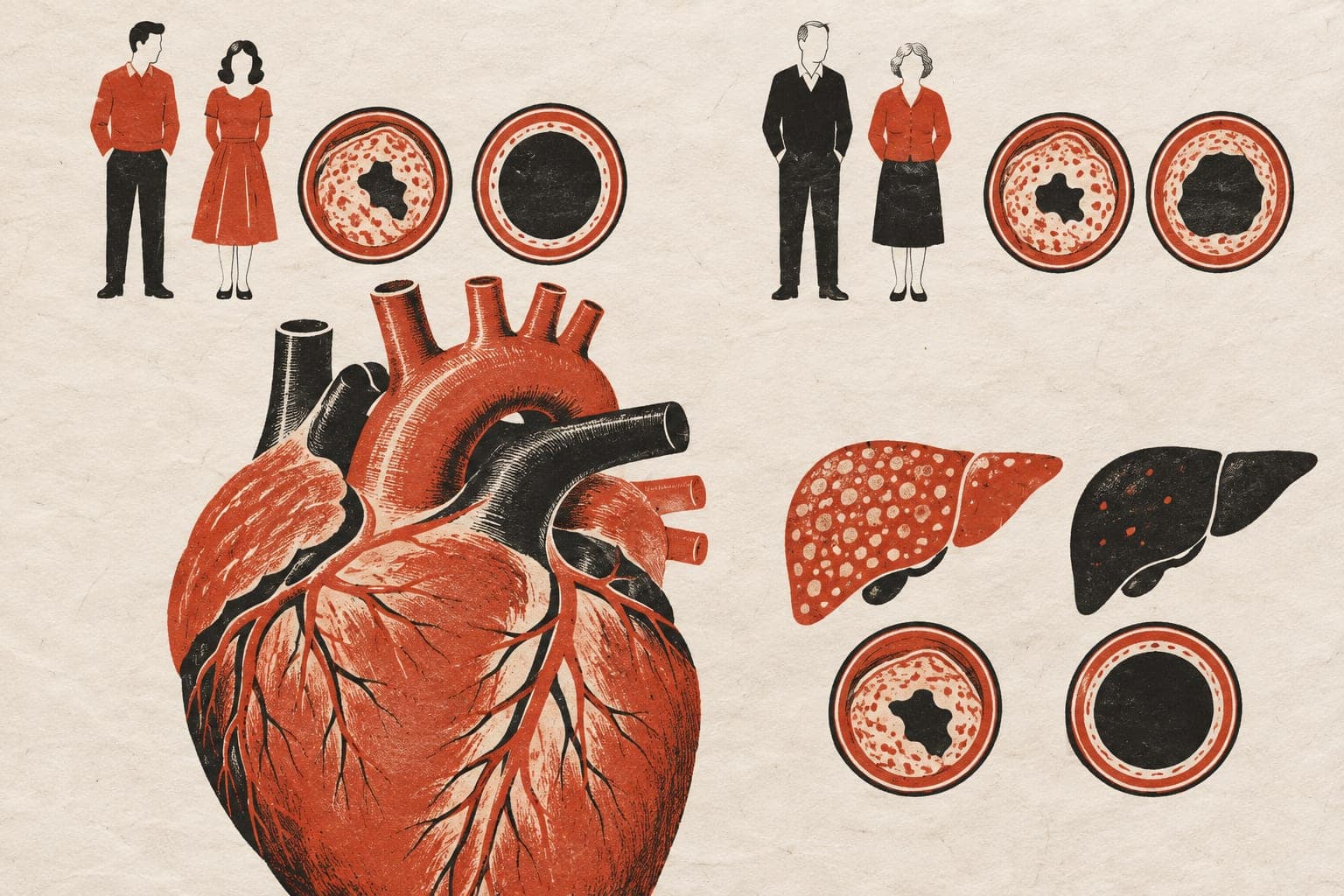
Metabolic syndrome in adults and older adults: influence of lifestyle on liver functional status, taking into account the characteristics of the course of tuberculosis (literature review)
Abstract
INTRODUCTION: Metabolic syndrome remains one of the most pressing medical and social problems in the context of global population aging. Age-associated changes in body composition, insulin resistance, abdominal obesity, and disturbances in lipid and carbohydrate metabolism increase the risk of metabolic disorders and liver injury. In patients with tuberculosis, changes in nutritional status, changes in body weight, and the potential drug burden on the liver are of additional importance. OBJECTIVE: To analyze current scientific evidence on metabolic syndrome in adults and older adults, liver functional status in metabolic disorders, the role of nutrition and lifestyle, and the characteristics of metabolic status in patients with tuberculosis. MATERIALS AND METHODS: A narrative review of domestic and international publications indexed in PubMed, Scopus, Web of Science, and Google Scholar was conducted. The main search covered publications from the last 10 years; earlier studies were included if they were of fundamental or historical significance. Combinations of keywords related to metabolic syndrome, aging, the liver, nutrition, lifestyle, and tuberculosis were used. The review included full-text original studies, systematic reviews, meta-analyses, clinical guidelines, and epidemiological studies relevant to the objective of the review. RESULTS: Age-related physiological changes, including reduced muscle mass, changes in body composition, and reduced liver functional reserve, modify the course of metabolic syndrome and complicate risk assessment based solely on body mass index. Comprehensive consideration of waist circumference, visceral obesity, body composition, and laboratory parameters is more informative. A balanced diet, regular physical activity, smoking cessation, and minimizing alcohol consumption are associated with a more favorable metabolic profile and less severe hepatic steatosis. In patients with tuberculosis, changes in body weight have a dual significance: weight gain during treatment may reflect clinical improvement, whereas substantial weight gain after treatment may be accompanied by increased cardiometabolic risk. DISCUSSION: The literature data are heterogeneous in design, age composition, and diagnostic criteria. The characteristics of metabolically associated liver injury in older adults from various ethnic groups, including the population of Central Asia, as well as the combination of metabolic syndrome, tuberculosis, and antituberculosis therapy, have been insufficiently studied. The predominance of observational studies limits the possibility of causal interpretation of the identified associations. CONCLUSIONS: Metabolic risk in adults and older adults is determined by a combination of age, body composition, nutrition, physical activity, and liver functional status. In patients with tuberculosis, monitoring changes in body weight, waist circumference, parameters of carbohydrate and lipid metabolism, and liver function is advisable. Modification of nutrition and lifestyle should be considered an important component of the prevention and management of metabolic disorders.
- Alcohol consumption reduction
- Balanced diet
- Lipid and ceramide metabolism
- Metabolic syndrome
- Tuberculosis
- Humans
The paper
Astana Medical University; Kazakh National Medical University
Фтизиопульмонология, 30 Sep 2026