Blood sugar and fat measures linked to metabolic syndrome risk
In 130,489 Chinese adults with high blood pressure followed for 6–36 months, combined blood sugar and fat measures were more strongly linked to risk than traditional indicators.
Communications Medicine
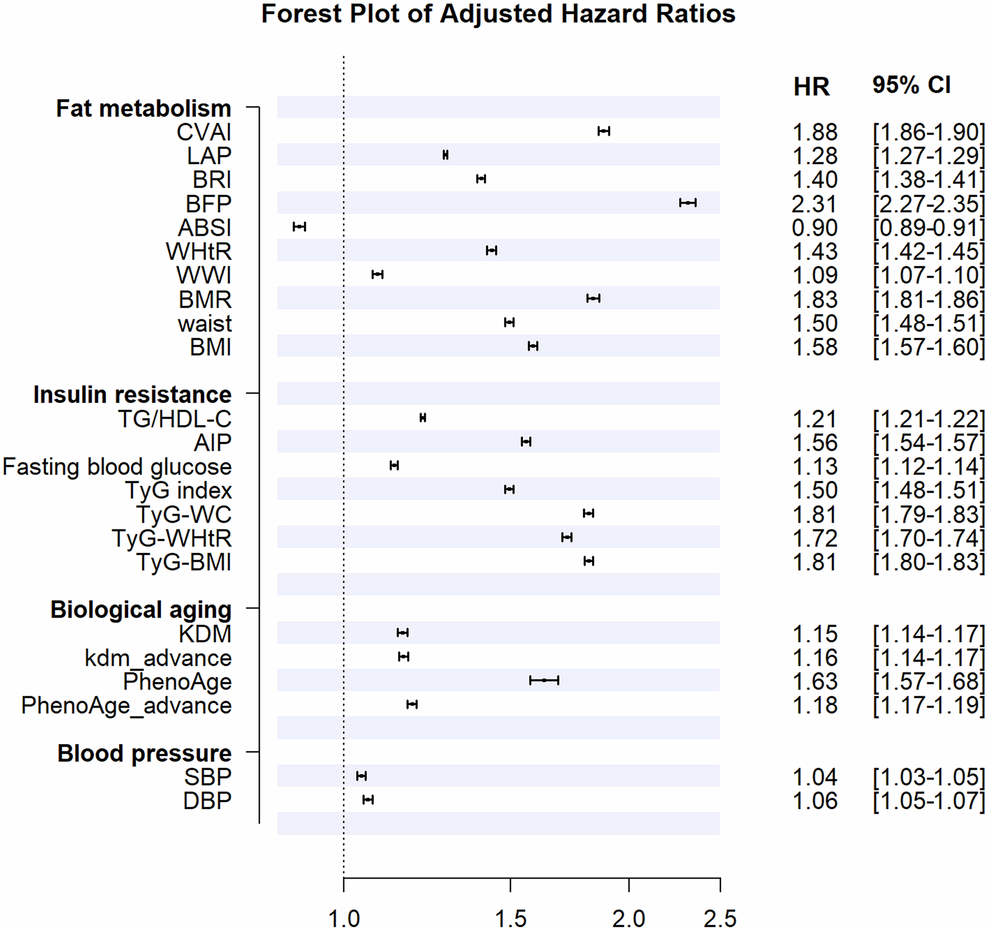
In an observational cohort study, researchers followed 130,489 Chinese adults with high blood pressure for 6–36 months. They recorded new cases of metabolic syndrome, a cluster of conditions including obesity, high blood sugar and abnormal cholesterol. Body fat percentage and combined measures of body size, blood sugar and blood fats had stronger links to new cases than waist size or fasting blood sugar.
Researchers tested five computer methods for predicting risk and validated the best-performing model in a separate Chinese study. Its strongest predictor combined triglycerides, a type of blood fat, blood sugar and body mass index, a measure of weight relative to height. Biological age, an estimate of aging based on the body's condition, predicted risk better than age in years.
Why it matters
The comparison of biological age with age in years addressed whether measures of aging can help assess metabolic risk. The findings may help identify high-risk adults with high blood pressure for targeted prevention.
Caveats
These observational results do not show that changing the measures would reduce risk, or that using the model would improve health outcomes. The cohort comprised Chinese adults with high blood pressure.
The paper
Show 15 more authors
Minying Sun, Tao Lin, Xudong Li, Shanshan Wang, Qianxi Li, Tianpeng Wang, Zihan Yu, Ziyan Zhang, Jiahui Wu, Xiaojing Liao, Zhaorui Zhang, Yaohui Liang, Tangchun Wu, Wei Zhu, Qifei Deng,Guangzhou Medical University
Communications Medicine · 5 Oct 2026 · CC BY-NC-ND