Screening and management of bone disease risk factors for the general public
Abstract
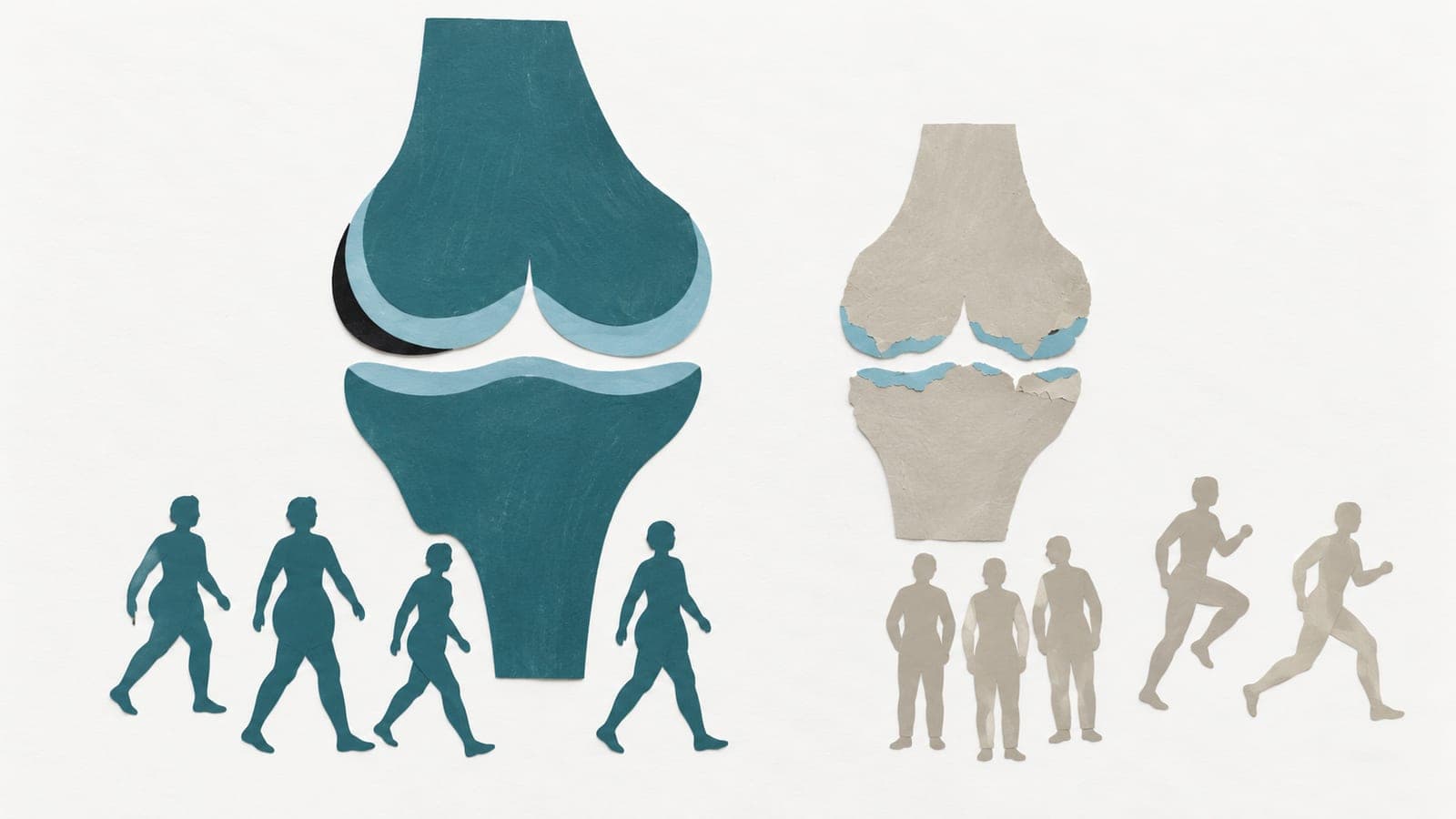
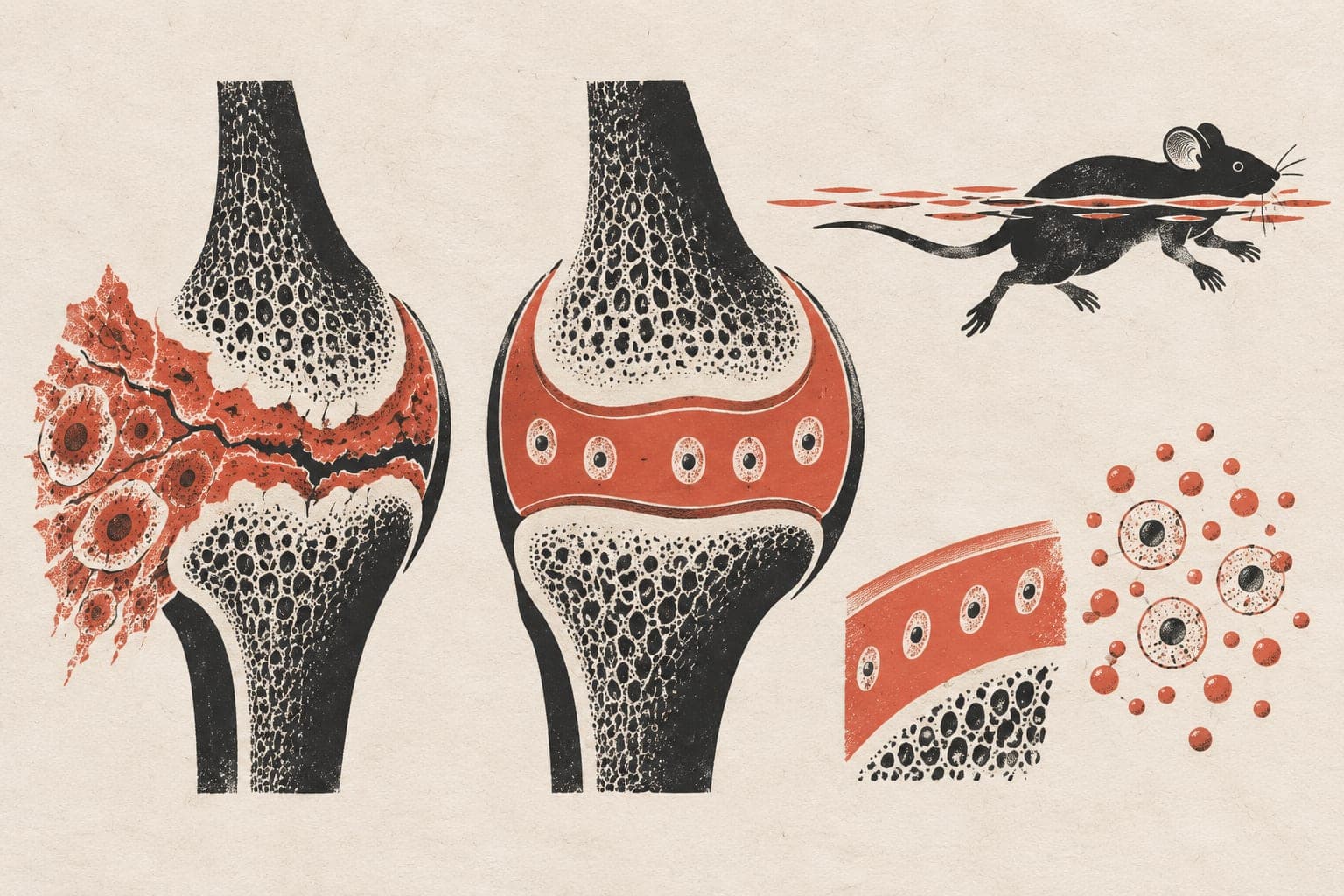
The global prevalence of bone disease is approximately 19.7% of the population. Types of bone disease vary widely, ranging from osteoporosis and Paget's disease of bone to osteogenesis imperfecta and osteoarthritis. Bone diseases such as osteoporosis and osteoarthritis have a significant impact on life. These problems greatly affect a person's quality of life. Preventive measures still face many obstacles. The public's lack of knowledge about risk factors and their control is a barrier. Public education is one possible solution. This program aims to provide knowledge to the public, especially populations at risk of bone and joint diseases; to provide the public with knowledge and practice in performing activities that can help prevent bone disease. Community service activities were conducted through health education using lectures, discussions, and question-and-answer sessions; exercise activities and screening for bone disease risk factors. Screening results showed that the predominant risk factors were female sex and age above 60 years. Body mass index (IMT) was also a risk factor in older adults. Screening results also showed that uric acid tended to be high in almost 50% of the population. The community service results led to the conclusion that screening is important in efforts to prevent bone disease. Several risk factors, such as age, IMT, and uric acid levels, were important findings for the prevention and management of bone disease risk factors. KEYWORDS: Screening, risk factors, bone disease
The paper
JURNAL PENGABDIAN KEPADA MASYARAKAT, 26 Sep 2026