Figure 1
Figure 1From BMC Public Health · CC BY
Humans

Higher neuroticism links to broad disease risks in Chinese adults

In 25,041 Chinese adults, high neuroticism scores were linked to 1.17- to 1.81-fold higher risks of major physical and mental conditions compared to low scores.

BMC Public Health

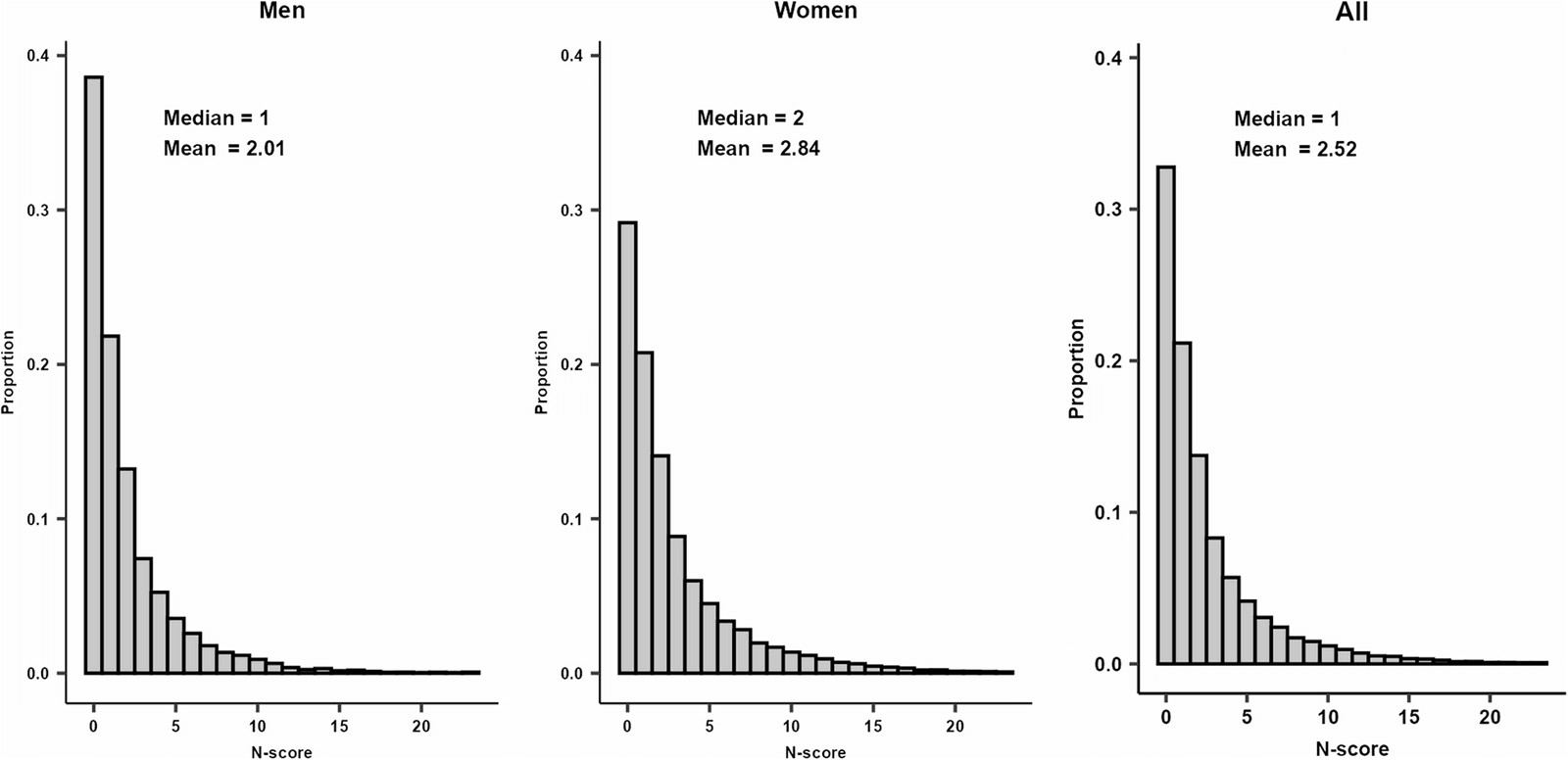
In a prospective study of 25,041 Chinese adults from five urban and five rural regions, researchers evaluated the health patterns associated with neuroticism using China Kadoorie Biobank data. Participants completed the 23-item Eysenck Personality Questionnaire during a 2013–2014 resurvey. The mean neuroticism score was 2.52, trending downward with older age and scoring higher among women, urban residents, unmarried individuals, and those with lower household income. Cross-sectionally, participants with scores of 4 or higher faced higher rates of mental health conditions and poor general health than those scoring 0, with adjusted risk ratios between 1.52 and 41.01. Prospectively, registry tracking showed that higher scores were tied to elevated incidence of stroke, ischaemic heart disease, digestive diseases, nervous system diseases, and mental and behavioural disorders, yielding hazard ratios between 1.17 and 1.81 for the highest scoring group versus the lowest.

Why it matters

Understanding how psychological traits correlate with disease vulnerability across the lifespan provides insight into behavioral and physiological drivers of late-life morbidity. These associations highlight neuroticism as a potential marker for stratified public health interventions targeting both mental and physical health.

Caveats

The observational design precludes causal conclusions, and the findings from this specific Chinese cohort may not generalize to populations with different cultural or socioeconomic backgrounds.

The paper

Patterns and health relevance of neuroticism in Chinese men and women: evidence from the China Kadoorie Biobank

He R, Du H, Clarke J et al.

BMC Public Health · 2 Oct 2026
arXivIn silicoPreprint

Speech model flags cognitive decline and generates explanations

Tested across six dataset and task conditions, the bilingual framework outperformed three baselines while directly generating natural-language…Tested across six dataset and task conditions, the bilingual framework outperformed three baselines while directly generating natural-language explanations for clinicians. In human speech datasets from individuals with Alzheimer's disease and mild cognitive impairment, researchers…

arXivIn silicoPreprint

Acoustic noise alters speech-based Alzheimer's model predictions

Across three self-supervised learning models tested on ADReSSo speech audio, controlled acoustic interventions systematically shifted diagnostic…Across three self-supervised learning models tested on ADReSSo speech audio, controlled acoustic interventions systematically shifted diagnostic predictions for Alzheimer's disease.

arXivHumansPreprint

Causal discovery platform maps vascular metabolic pathways

In data from 720,000 people, the self-evolving system evaluated 2,031 causal questions and identified blood pressure as a convergence node for…In data from 720,000 people, the self-evolving system evaluated 2,031 causal questions and identified blood pressure as a convergence node for vascular outcomes. In data from over 720,000 human participants across 48 countries, researchers tested an automated discovery platform called…

Scientific ReportsHumans

Miscarriage propensity links to higher type 2 diabetes risk

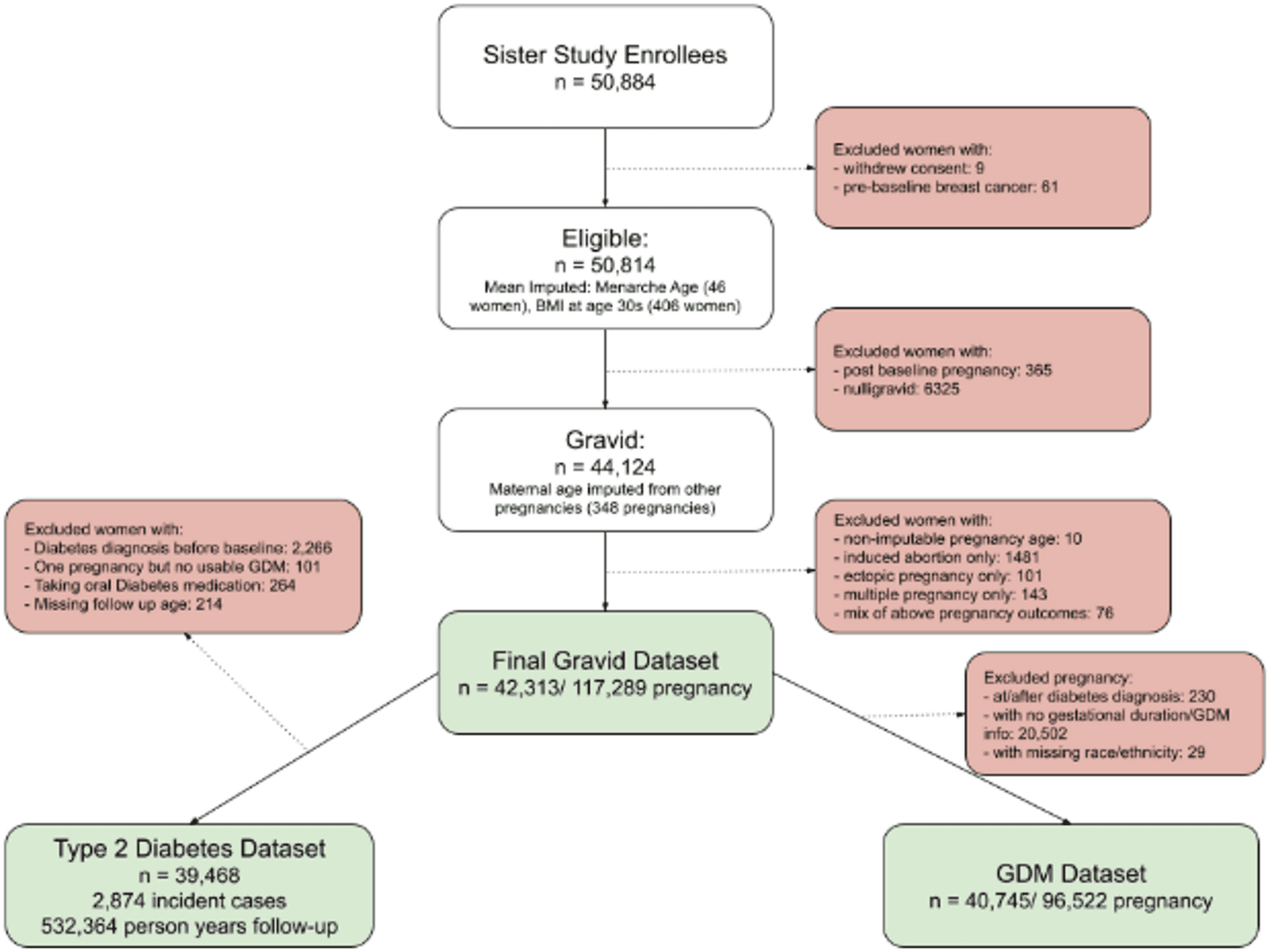
In 39,468 women, each 0.1-unit rise in miscarriage propensity was associated with a hazard ratio of 1.38 for incident type 2 diabetes.In 39,468 women, each 0.1-unit rise in miscarriage propensity was associated with a hazard ratio of 1.38 for incident type 2 diabetes. In 42,313 gravid Sister Study participants, researchers evaluated whether a history-based measure of miscarriage propensity predicts subsequent gestational…

Figure 1