HumansPreprint

Causal discovery platform maps vascular metabolic pathways

In data from 720,000 people, the self-evolving system evaluated 2,031 causal questions and identified blood pressure as a convergence node for vascular outcomes.

arXiv

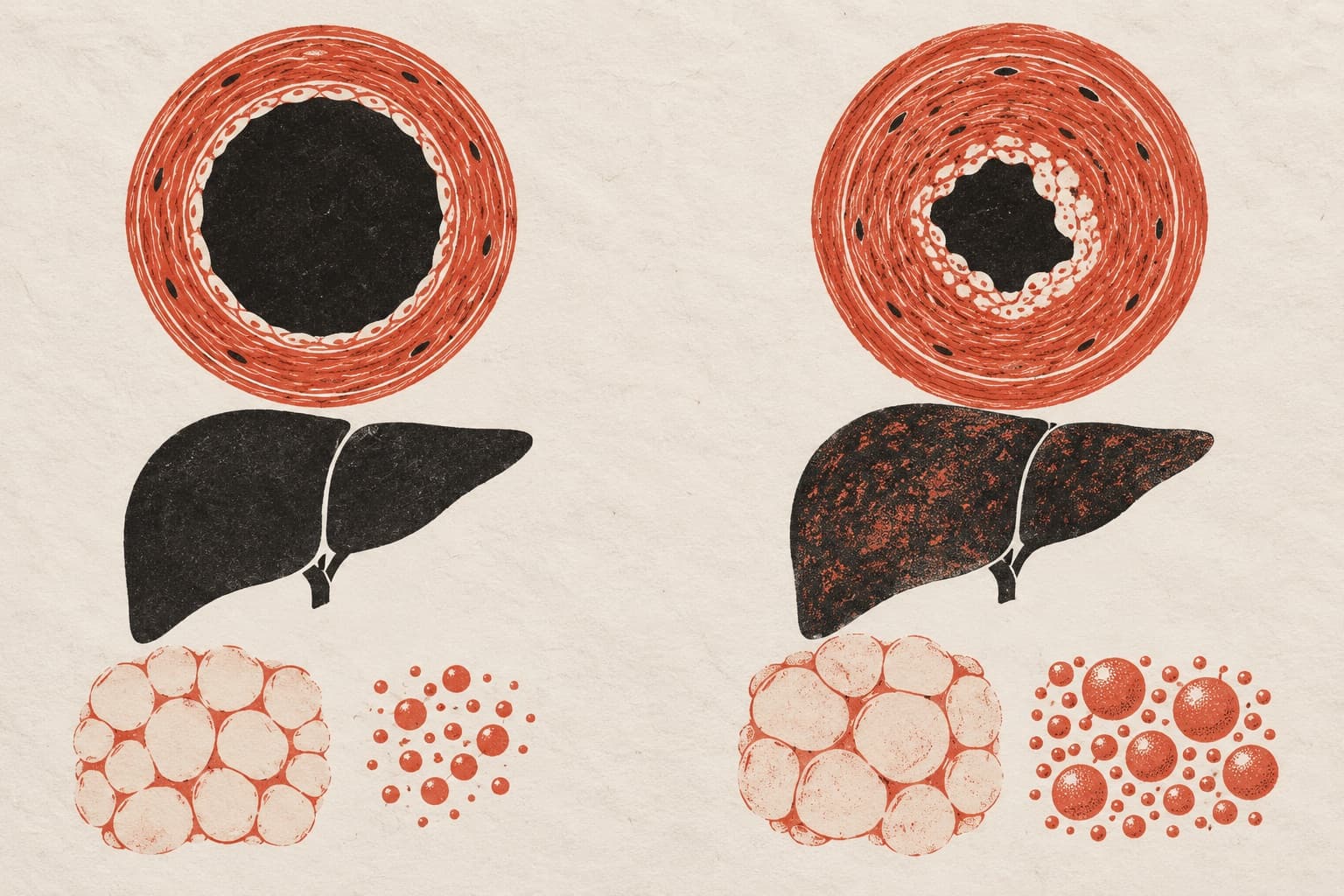
In data from over 720,000 human participants across 48 countries, researchers tested an automated discovery platform called DoAtlas-2 to map causal biomedical mechanisms. The platform integrates 771 resources spanning clinical phenotypes, medical imaging, physiological signals, eight molecular layers, and 4.7 million literature-derived records. DoAtlas-2 formulates questions from evidence gaps, prespecifies causal designs, and updates its network based on empirical results. The system systematically evaluated 2,031 research questions. In the Human Phenotype Project, an initial screening of 1,079 candidate pathway questions yielded statistical support for 756 across vascular, early-glycemic, and hepatic-metabolic systems. Specific analyses identified blood pressure as a convergence node connecting adiposity, hepatic, and lipid phenotypes to vascular outcomes, while an adiposity-inflammation-blood-pressure pathway was largely attenuated after joint adjustment for body mass index and smoking.

Why it matters

Clarifying causal networks across metabolic and vascular systems helps researchers pinpoint specific target mechanisms driving age-related vascular pathology. The framework also provides fully interpretable mediation pathways to predict vascular outcomes.

Caveats

The findings are reported in a preprint that has not yet been peer-reviewed, and the causal pathways are derived from observational population data rather than randomized trials.

The paper

DoAtlas-2: A Foundation for Self-Evolving Causal Biomedical Discovery

Li Y, Xia R, Zhang Y et al.

arXiv · 28 Sep 2026 · Preprint, not yet peer-reviewed
arXivIn silicoPreprint

Speech model flags cognitive decline and generates explanations

Tested across six dataset and task conditions, the bilingual framework outperformed three baselines while directly generating natural-language…Tested across six dataset and task conditions, the bilingual framework outperformed three baselines while directly generating natural-language explanations for clinicians. In human speech datasets from individuals with Alzheimer's disease and mild cognitive impairment, researchers…

arXivIn silicoPreprint

Acoustic noise alters speech-based Alzheimer's model predictions

Across three self-supervised learning models tested on ADReSSo speech audio, controlled acoustic interventions systematically shifted diagnostic…Across three self-supervised learning models tested on ADReSSo speech audio, controlled acoustic interventions systematically shifted diagnostic predictions for Alzheimer's disease.

Scientific ReportsHumans

Miscarriage propensity links to higher type 2 diabetes risk

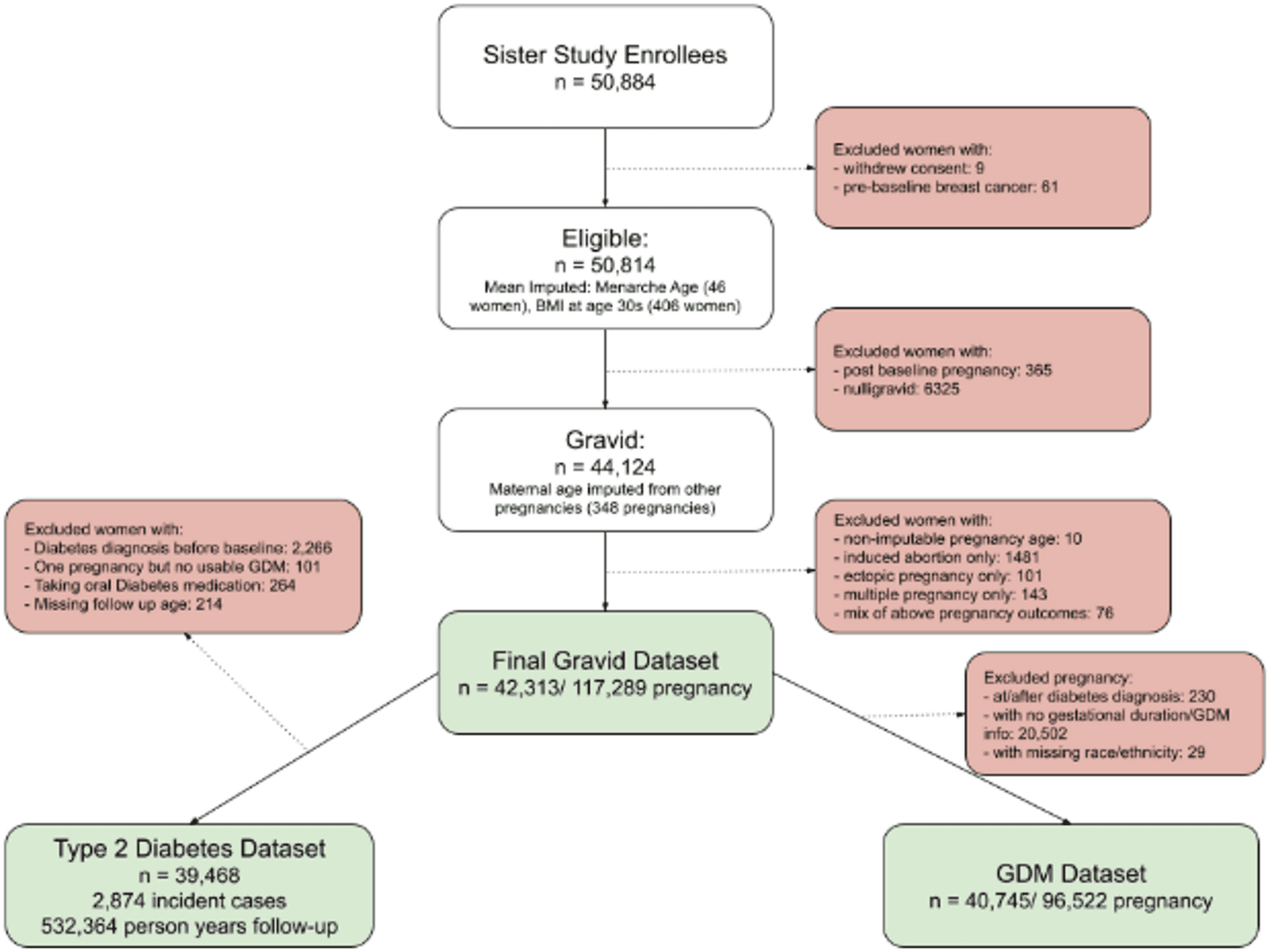
In 39,468 women, each 0.1-unit rise in miscarriage propensity was associated with a hazard ratio of 1.38 for incident type 2 diabetes.In 39,468 women, each 0.1-unit rise in miscarriage propensity was associated with a hazard ratio of 1.38 for incident type 2 diabetes. In 42,313 gravid Sister Study participants, researchers evaluated whether a history-based measure of miscarriage propensity predicts subsequent gestational…

Figure 1
BMC Public HealthHumans

Higher neuroticism links to broad disease risks in Chinese adults

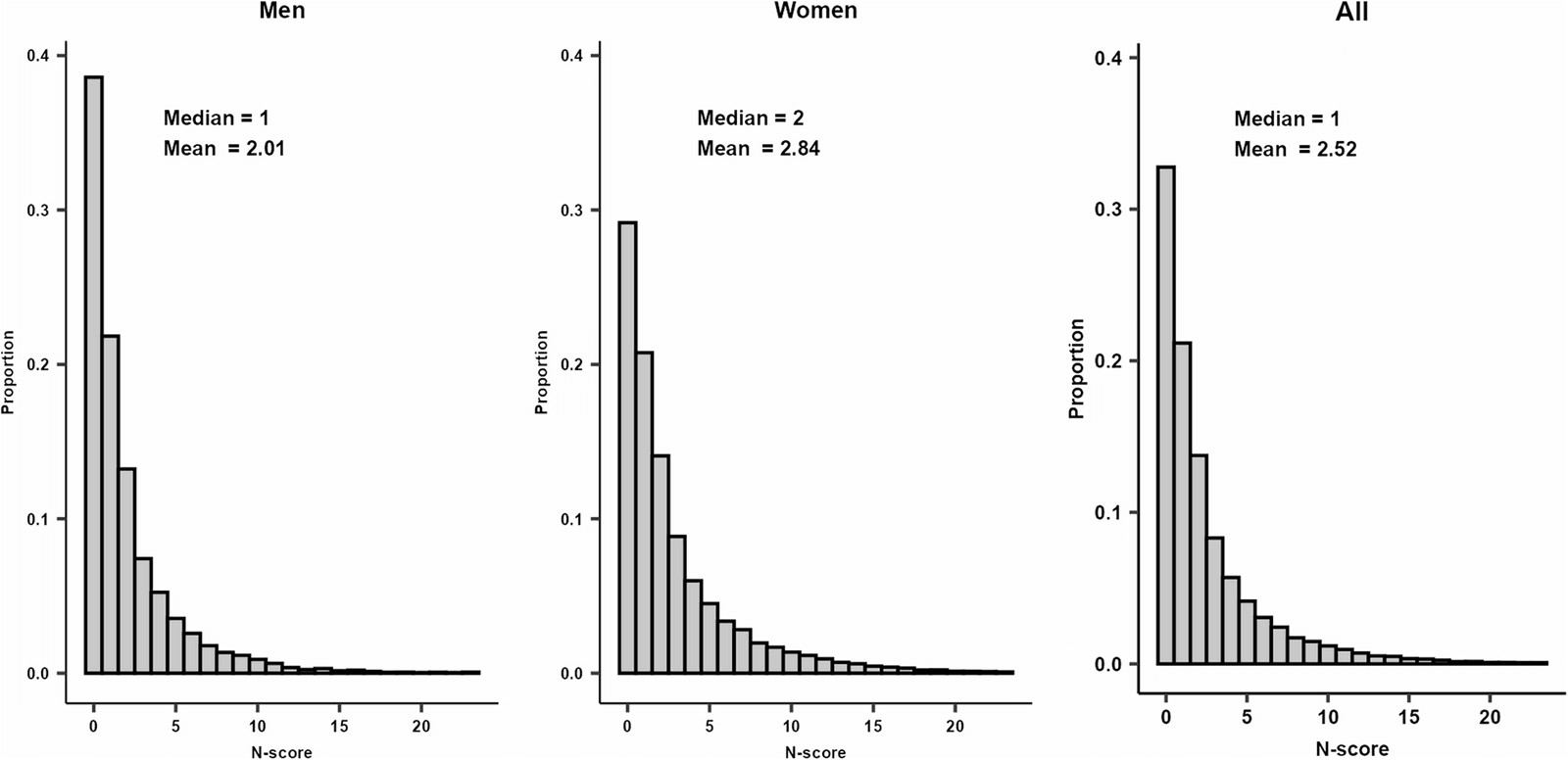
In 25,041 Chinese adults, high neuroticism scores were linked to 1.17- to 1.81-fold higher risks of major physical and mental conditions compared to…In 25,041 Chinese adults, high neuroticism scores were linked to 1.17- to 1.81-fold higher risks of major physical and mental conditions compared to low scores. In a prospective study of 25,041 Chinese adults from five urban and five rural regions, researchers evaluated the health patterns…

Figure 1