Bacterial exposure shapes the trajectory of immune ageing
Abstract
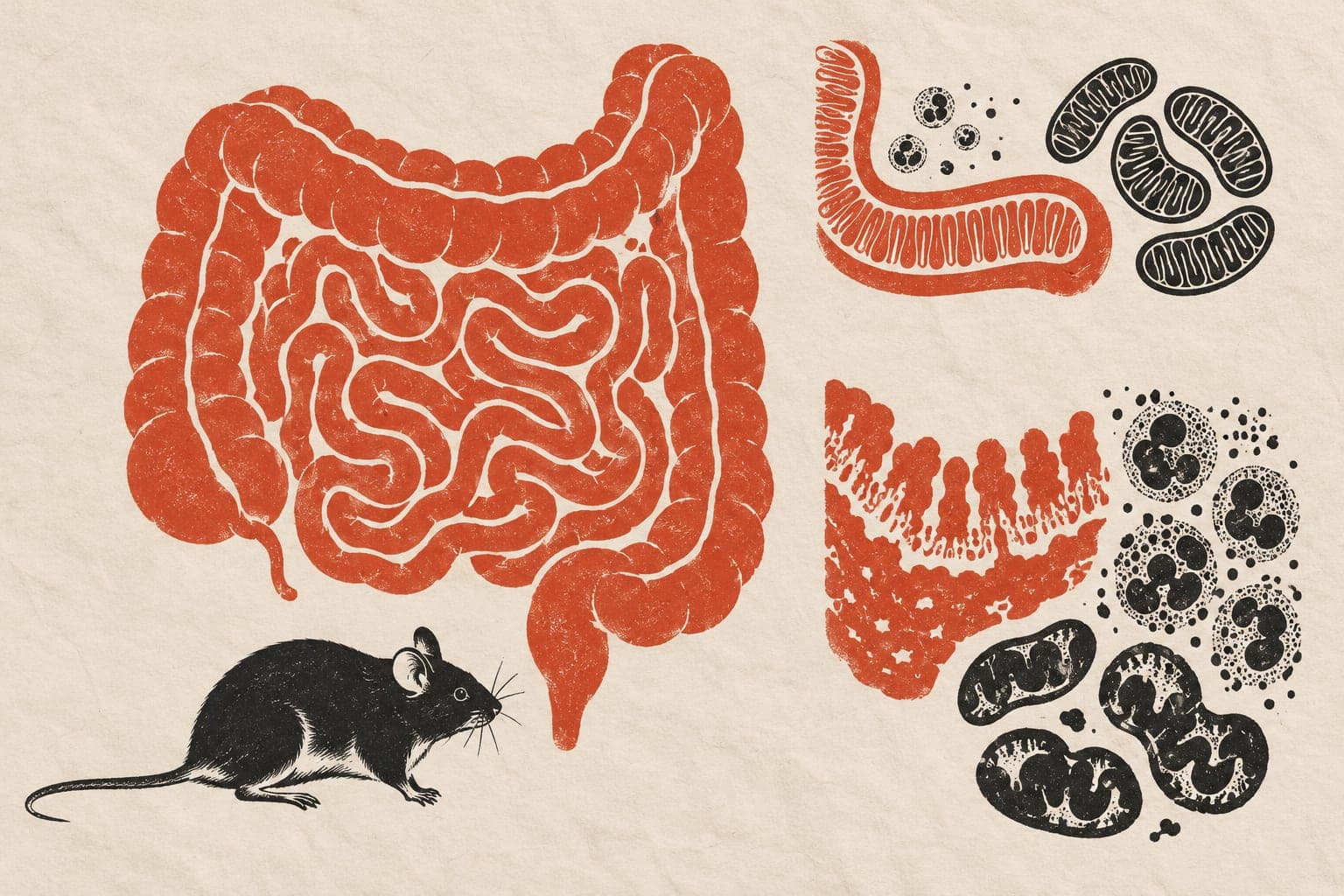
The immune system is uniquely capable of both regenerating and ageing the rest of the organism based on its own state 1 . Understanding the driving forces behind alterations in the immune system with age 2 has thus potential to lead to interventions against ageing in general 3 . However, the factors driving immune ageing remain largely unknown 4 . Here we show that alterations in response to bacterial exposure are a key driving force of immune ageing. Studying a longitudinal cohort with their immune system characterised in high-dimension 2 , we devised a phenotype-driven gene co-regulation analysis through which we unravel the immune-ageing role for genes regulated by miRNAs previously reported to cause gut leakiness 5 . Hypothesizing increased bacterial exposure as a driver of immune ageing, we estimated the exposure of each individual’s immune system to bacteria through analysing the residual bacterial DNA content in their immune cells 6 . We found that the total bacterial load is unrelated to the subject’s chronological or immune age, but predicts the magnitude of change in immune age over the next year. Finally, we rationalise previously observed alterations in cellular composition of the immune system associated with ageing 2 by finding that the immune cell subtypes most increasing in their frequency are highly enriched in expressing bacterial response genes. Our results thus earmark bacterial exposure as the candidate driver to be counteracted in anti-ageing interventions and the immune cell residual bacterial DNA content as a biomarker for the immune systems most at risk of ageing. Overall, these results offer a new paradigm for investigating gut health in the context of immune ageing 7,8 .
- Bacterial exposure
- Immune response
- Bacterial response gene expression
- Change in immune age
- Immune age
- Humans
The paper
Technion – Israel Institute of Technology
bioRxiv, 13 Oct 2025, CC BY, Preprint, not peer-reviewed