Intestinal stem cell aging at single-cell resolution: functional perturbations alter cell developmental trajectory reversed by gerotherapeutics
Abstract
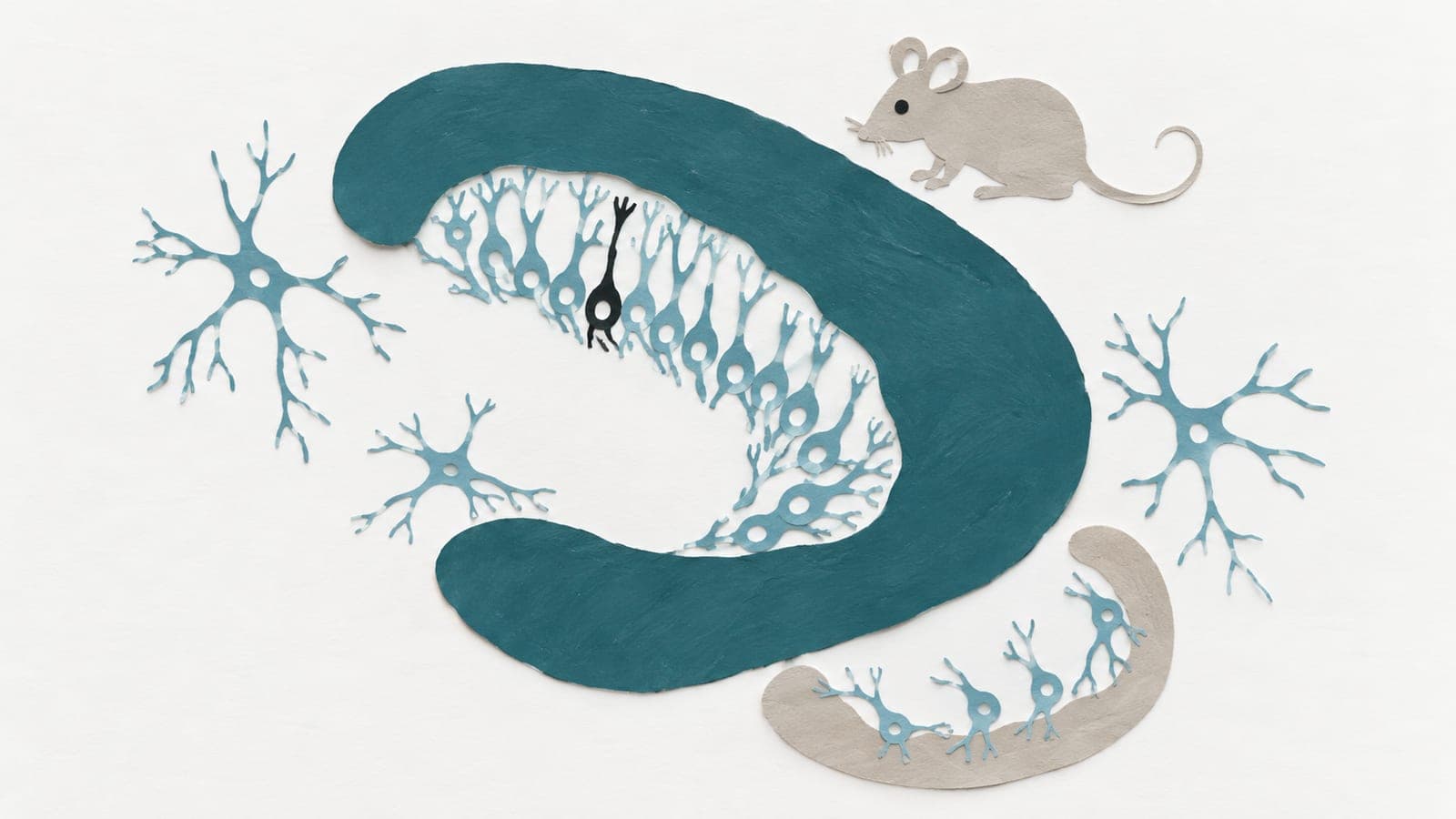
Abstract The intestinal epithelium is consists of cells derived from continuously cycling Lgr5 hi intestinal stem cells (Lgr5 hi ISCs) that mature developmentally in an order fashion as the cells progress along the crypt-luminal axis. Perturbed function of Lgr5 hi ISCs with aging is well documented but the consequent impact on overall mucosal homeostasis has not been defined. Using single-cell RNA sequencing, the progressive maturation of progeny was dissected in mouse intestine, which revealed that transcriptional reprogramming with aging in Lgr5 hi ISCs retarded cell maturation in their progression along the crypt-luminal axis. Importantly, treatment with metformin or rapamycin at a late stage of mouse lifespan reversed the effects of aging on function of Lgr5 hi ISCs and subsequent maturation of progenitors. The effects of metformin and rapamycin overlapped in reversing changes of transcriptional profiles, but were also complementary, with metformin more efficient than rapamycin in correcting the developmental trajectory. Therefore, our data identify novel effects of aging on stem cells and the maturation of their daughter cells contributing to the decline of functional Lgr5 hi ISCs and the correction by geroprotectors.
The paper
Albert Einstein College of Medicine
bioRxiv, Sep 1, 2022, Open access, Preprint, not peer-reviewed