Diabetes drug reduced kidney injury in diabetic rats
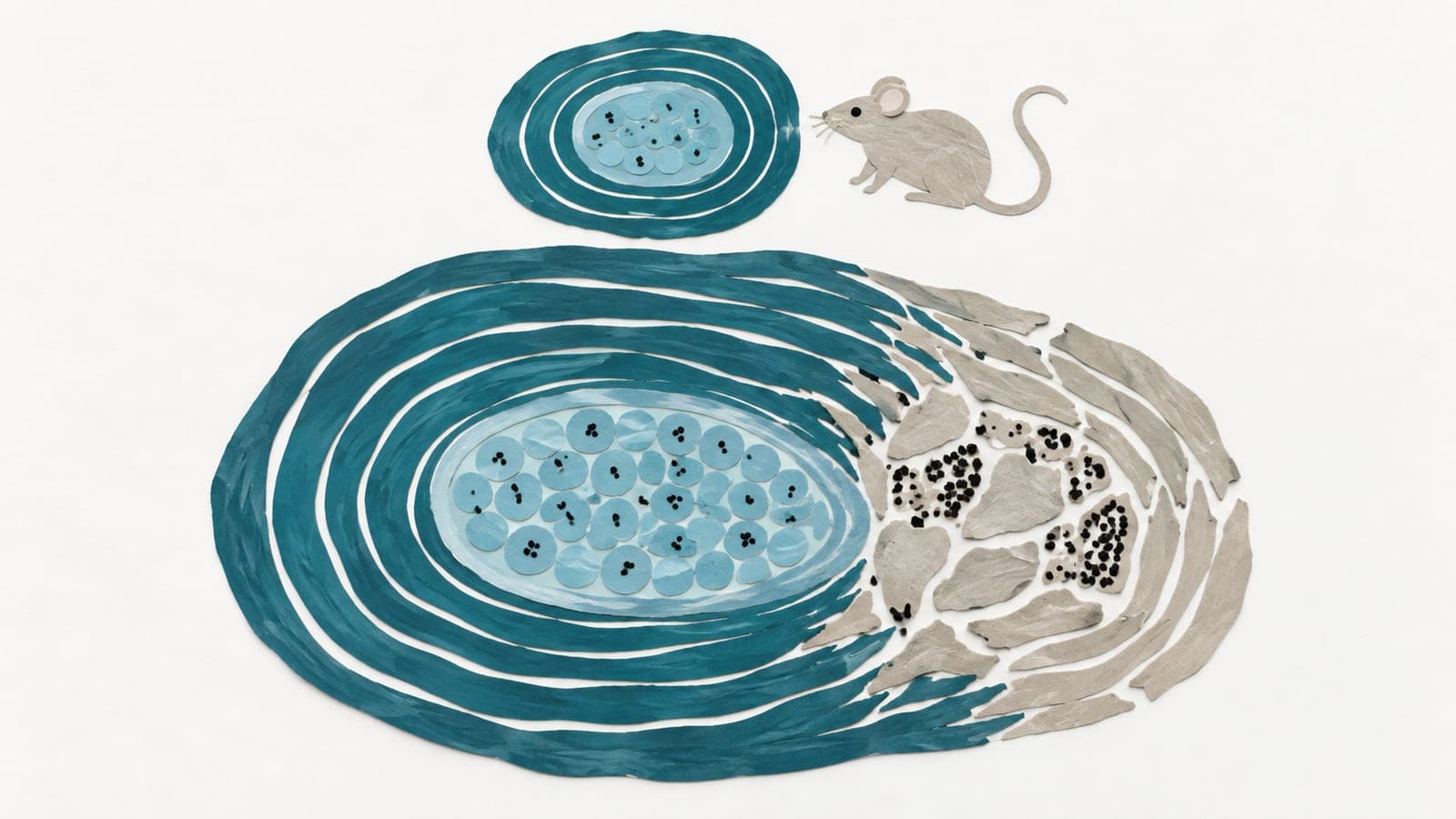
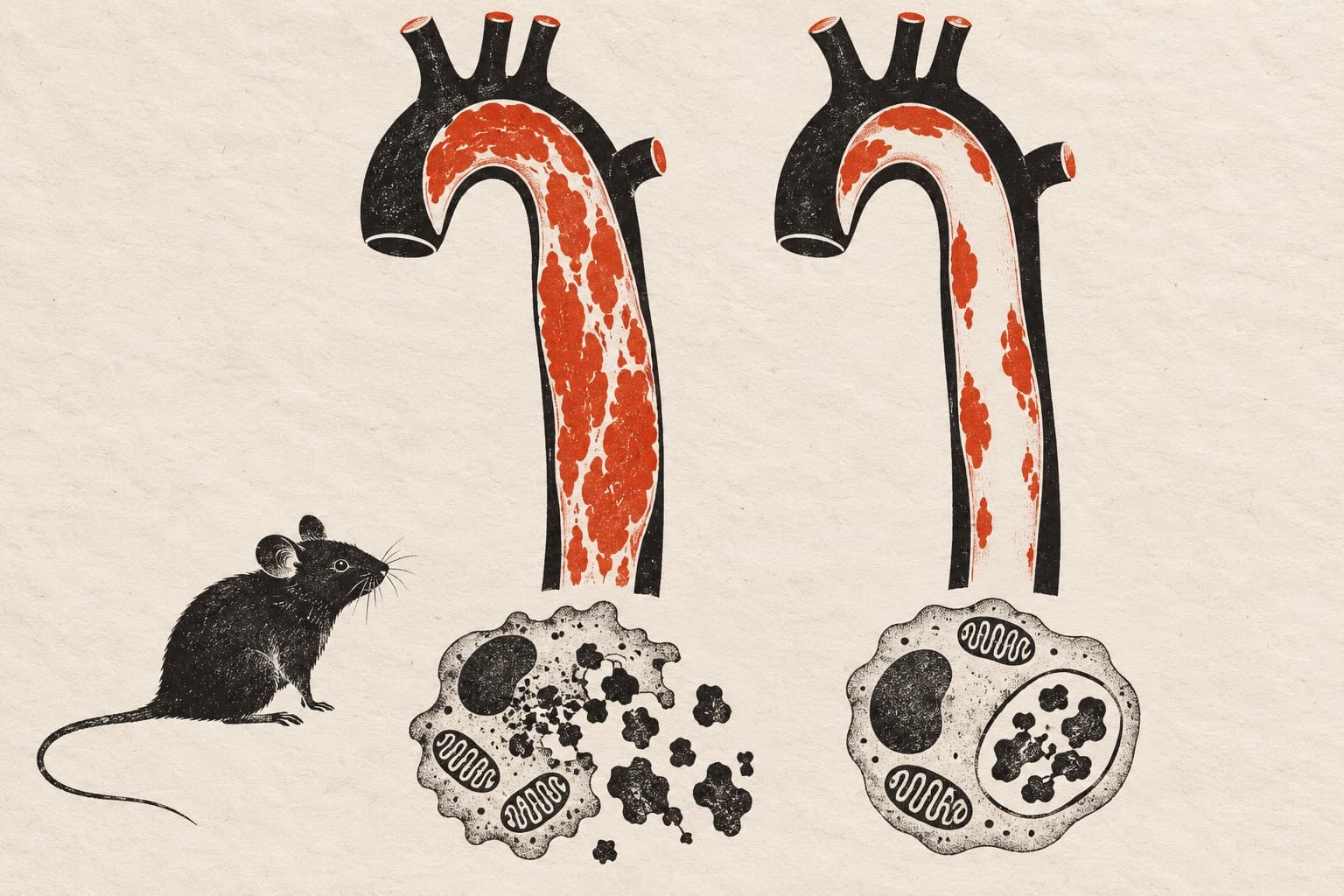
An experiment in diabetic rats found that dapagliflozin reduced kidney dysfunction and scarring alongside less iron-dependent cell death.
Limit: Progression to kidney failure was not reported
Edited by Boris Djordjevic · AgingResearch.News
In a diabetic rat model, researchers tested dapagliflozin in an animal experiment focused on kidney damage. The drug reduced kidney dysfunction, damage to the kidney’s tiny tubes and scarring. These changes accompanied reduced activity of YAP, a protein that helps regulate gene activity, and less ferroptosis, a form of cell death driven by iron.
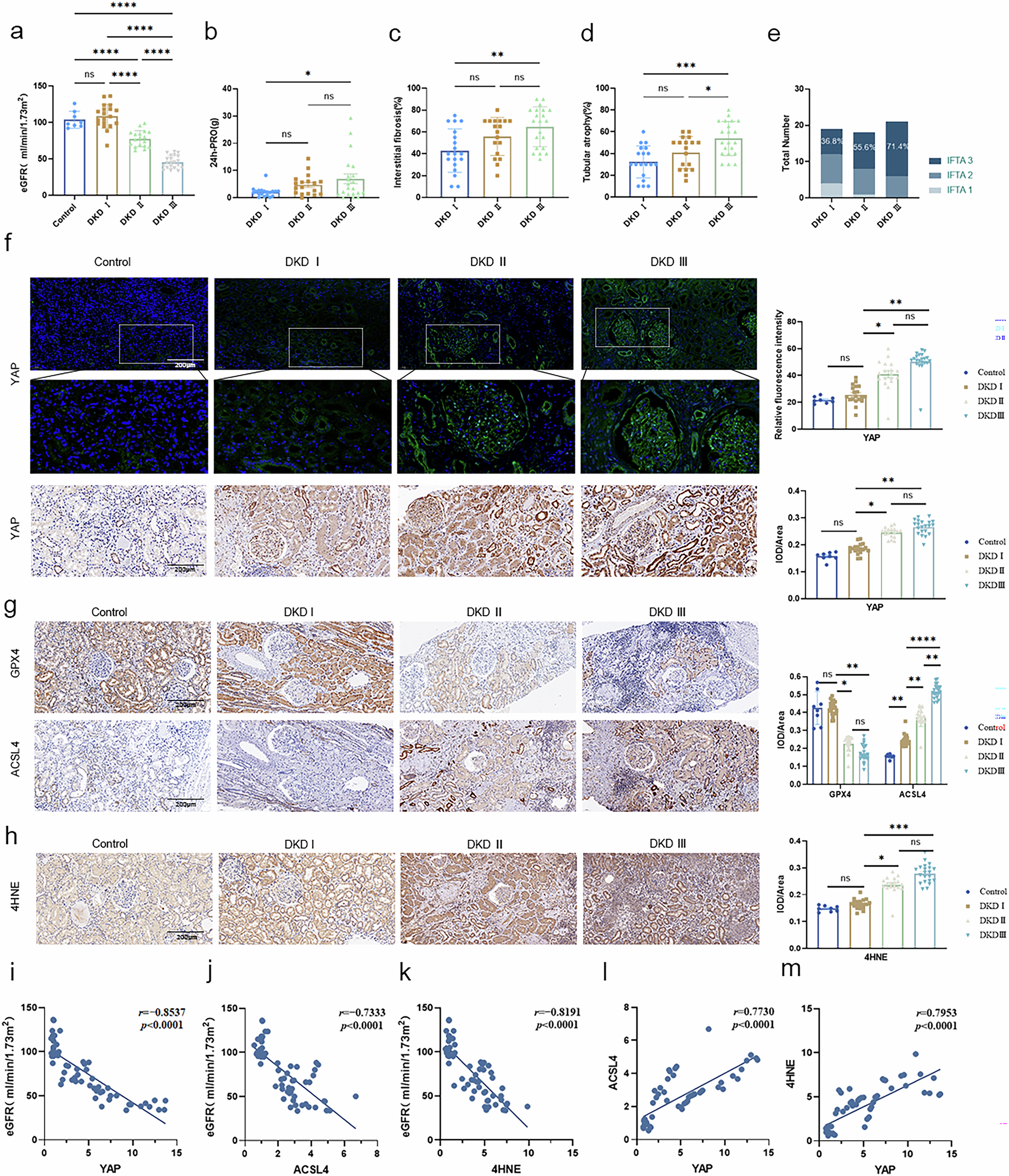
In human kidney tissue from people with diabetic kidney disease, more YAP in cells’ DNA-containing centers was linked to more signs of ferroptosis and poorer kidney function. Experiments in kidney tubule cells grown under high-glucose conditions supported YAP’s role in controlling ferroptosis. The researchers concluded that suppressing this pathway accounted for part of dapagliflozin’s kidney protection beyond blood-sugar lowering.
Why it matters
Kidney protection beyond blood-sugar lowering remains incompletely understood in diabetic kidney disease. The work identifies a potential target for further research into that protection.
Caveats
The intervention experiments used rats and lab-grown cells, so they did not establish this mechanism in people. The human tissue findings were correlations, not evidence of cause.
The paper
SGLT2 inhibitors attenuate diabetic kidney disease by suppressing YAP dependent ferroptosis
Air Force Medical University
Communications Biology, Oct 19, 2026, Open access, CC BY-NC-ND