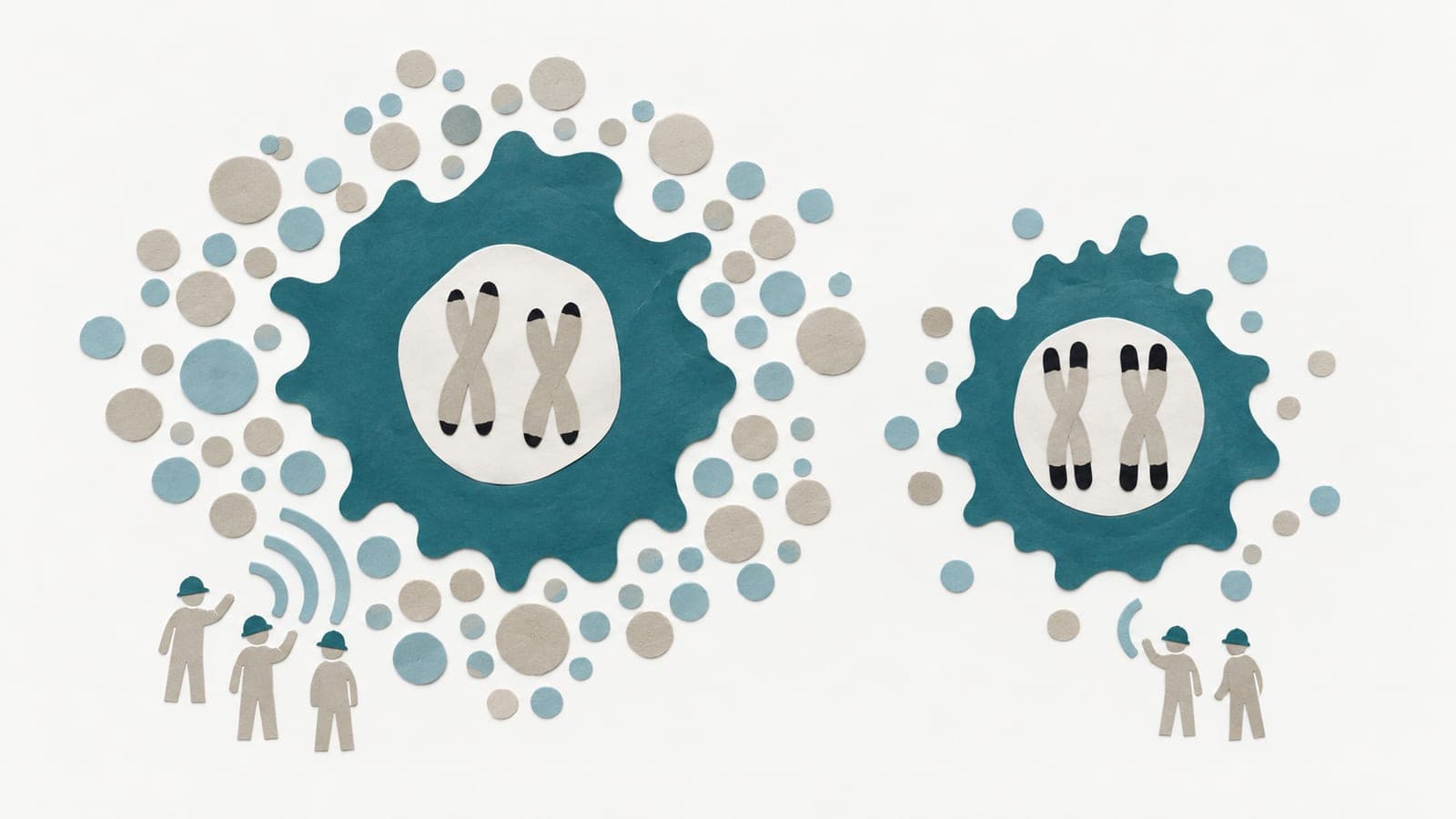
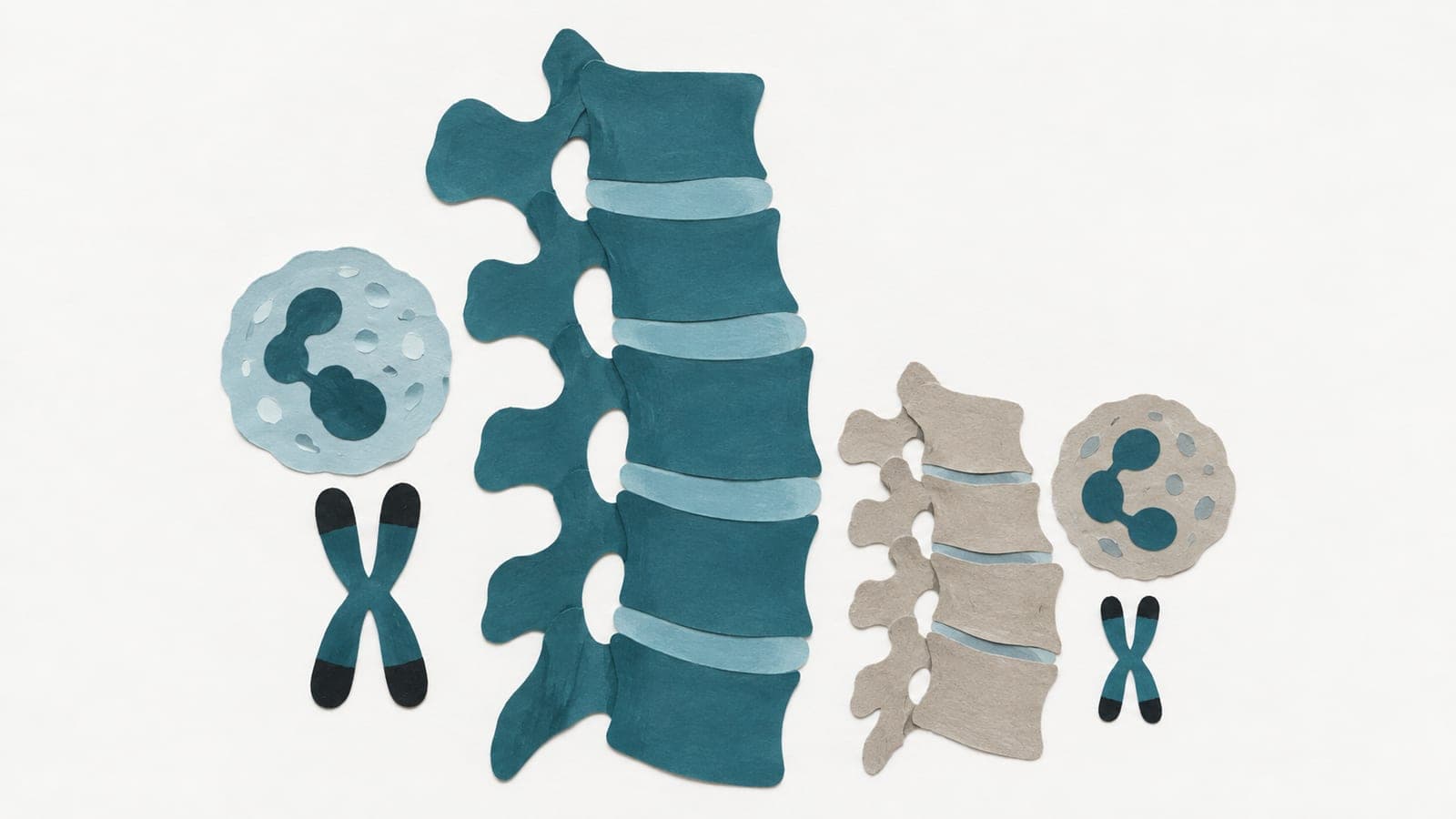
Telomere length in midlife is associated with age, central adiposity, and perceived stress rather than habitual sauna exposure
Abstract
Regular sauna bathing has been linked to cardiovascular health and longevity benefits; however, the relationship between long-term sauna use and telomere biology, as well as its impact on biological aging, remains largely unexplored. In this cross-sectional study, we investigated the relationship between regular sauna use and telomere biomarkers in 84 adults aged 40 to 64 years. Telomere length was measured using high-throughput quantitative fluorescence in situ hybridization (HT Q-FISH), which allowed us to characterize the median, average, and short telomeres. Participants were divided into two groups: regular sauna users ( n = 42) and low-exposure controls ( n = 42). We assessed the associations between sauna use and telomere biomarkers using multivariable regression models. Telomere biomarkers did not show significant differences between the sauna groups, nor was sauna exposure independently linked to any telomere outcomes. The most consistent factor correlated with telomere length was chronological age; older individuals tended to have shorter telomeres and greater levels of biological aging derived from telomeres. Additionally, a higher waist-to-hip ratio and perceived stress were uniquely associated with shorter telomeres, and perceived stress was also connected to increased biological aging. There were no consistent associations found between physical activity, cardiorespiratory fitness, and telomere biomarkers, even in complementary quartile analyses. Regular sauna use did not show an independent link to peripheral blood telomere biomarkers in middle-aged adults. Instead, variations in telomere length were more consistently related to factors such as chronological age, central body fat, and perceived stress. This suggests that telomere length may better reflect the cumulative biological and psychosocial burdens a person has experienced, rather than their current lifestyle or functional abilities.
The paper
Scientific Reports, 15 Oct 2026, CC BY