Figure 1
Figure 1From Scientific Reports · CC BY-NC-ND
Animals

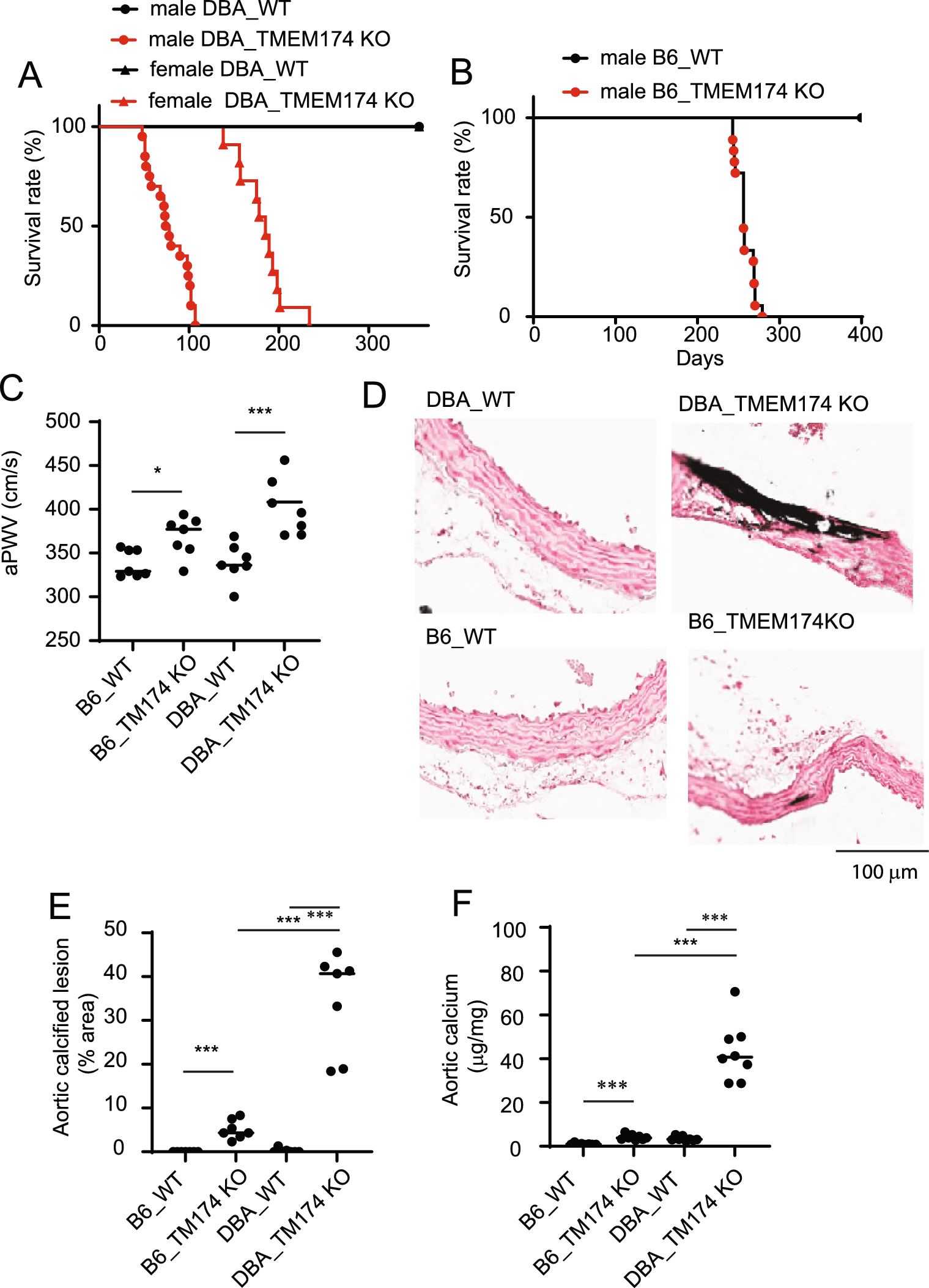
TMEM174 deficiency shortens lifespan and stiffens vessels in mice

Knocking out the proximal tubule protein in mice shortened survival, whereas altering dietary phosphate intake regulated vascular calcification, stiffness, and mortality.

Scientific Reports

In mice, deficiency of the renal proximal tubule protein TMEM174 significantly shortened lifespan compared to wild-type controls. Researchers evaluated TMEM174 knockout mice across C57BL6/J and DBA/2 J genetic backgrounds fed diets containing either 0.6% or 1.2% phosphate. The high-phosphate diet exacerbated vascular calcification, vascular stiffness, and mortality, while the low-phosphate diet rescued these phenotypes. Additional experiments in cultured OKP cells showed that TMEM174 regulates the phosphate co-transporter NPT2A. Silencing TMEM174 blocked parathyroid hormone-induced NPT2A endocytosis, retaining the transporter at the apical cell membrane. The authors found that the C-terminal domain of TMEM174 is essential for binding and degrading NPT2A, whereas C-terminal deletion mutants failed to interact with or clear the protein.

Why it matters

Disrupted phosphate balance contributes to vascular disease and reduced longevity in both chronic kidney disease and aging. Uncovering TMEM174 as a key regulator of renal phosphate excretion identifies a potential mechanistic target to curb phosphate-driven cardiovascular decline.

Caveats

The findings are limited to mouse models and cultured opossum kidney cells, so their translation to human renal physiology remains unverified. The abstract also does not quantify the specific magnitude of lifespan reduction in the knockout mice.

The paper

TMEM174 deficiency reduces longevity by promoting phosphate-driven vascular calcification

Miranda JG, Blaine J, Miyazaki M

Scientific Reports · 2 Oct 2026
arXivIn silicoPreprint

Speech model flags cognitive decline and generates explanations

Tested across six dataset and task conditions, the bilingual framework outperformed three baselines while directly generating natural-language…Tested across six dataset and task conditions, the bilingual framework outperformed three baselines while directly generating natural-language explanations for clinicians. In human speech datasets from individuals with Alzheimer's disease and mild cognitive impairment, researchers…

arXivIn silicoPreprint

Acoustic noise alters speech-based Alzheimer's model predictions

Across three self-supervised learning models tested on ADReSSo speech audio, controlled acoustic interventions systematically shifted diagnostic…Across three self-supervised learning models tested on ADReSSo speech audio, controlled acoustic interventions systematically shifted diagnostic predictions for Alzheimer's disease.

arXivHumansPreprint

Causal discovery platform maps vascular metabolic pathways

In data from 720,000 people, the self-evolving system evaluated 2,031 causal questions and identified blood pressure as a convergence node for…In data from 720,000 people, the self-evolving system evaluated 2,031 causal questions and identified blood pressure as a convergence node for vascular outcomes. In data from over 720,000 human participants across 48 countries, researchers tested an automated discovery platform called…

Scientific ReportsHumans

Miscarriage propensity links to higher type 2 diabetes risk

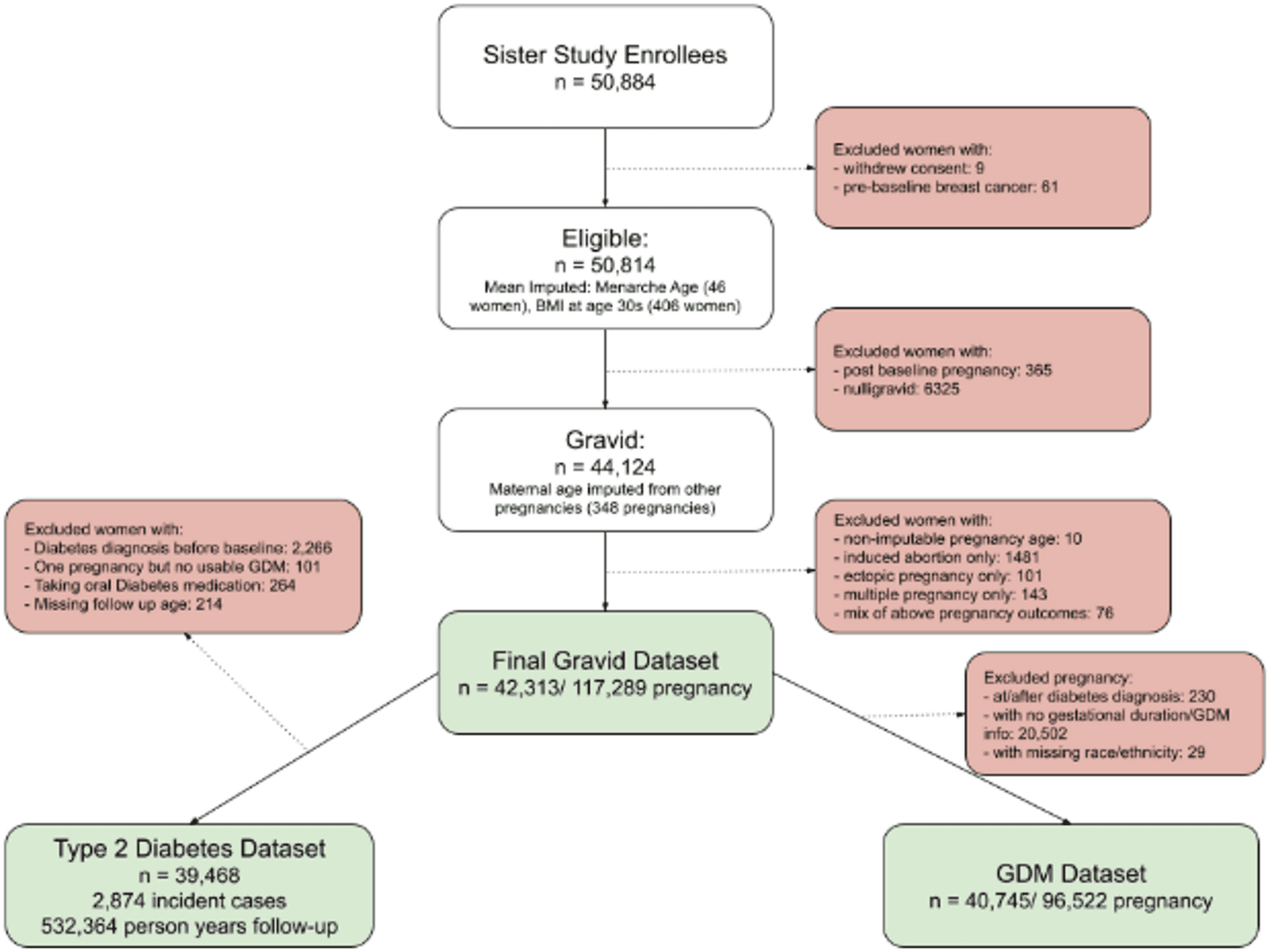
In 39,468 women, each 0.1-unit rise in miscarriage propensity was associated with a hazard ratio of 1.38 for incident type 2 diabetes.In 39,468 women, each 0.1-unit rise in miscarriage propensity was associated with a hazard ratio of 1.38 for incident type 2 diabetes. In 42,313 gravid Sister Study participants, researchers evaluated whether a history-based measure of miscarriage propensity predicts subsequent gestational…

Figure 1