Cardiometabolic disease and depression worsen daily disability
A longitudinal study of 16,780 Chinese adults tracked from 2012 to 2020 linked both conditions to higher disability risk and lower recovery.
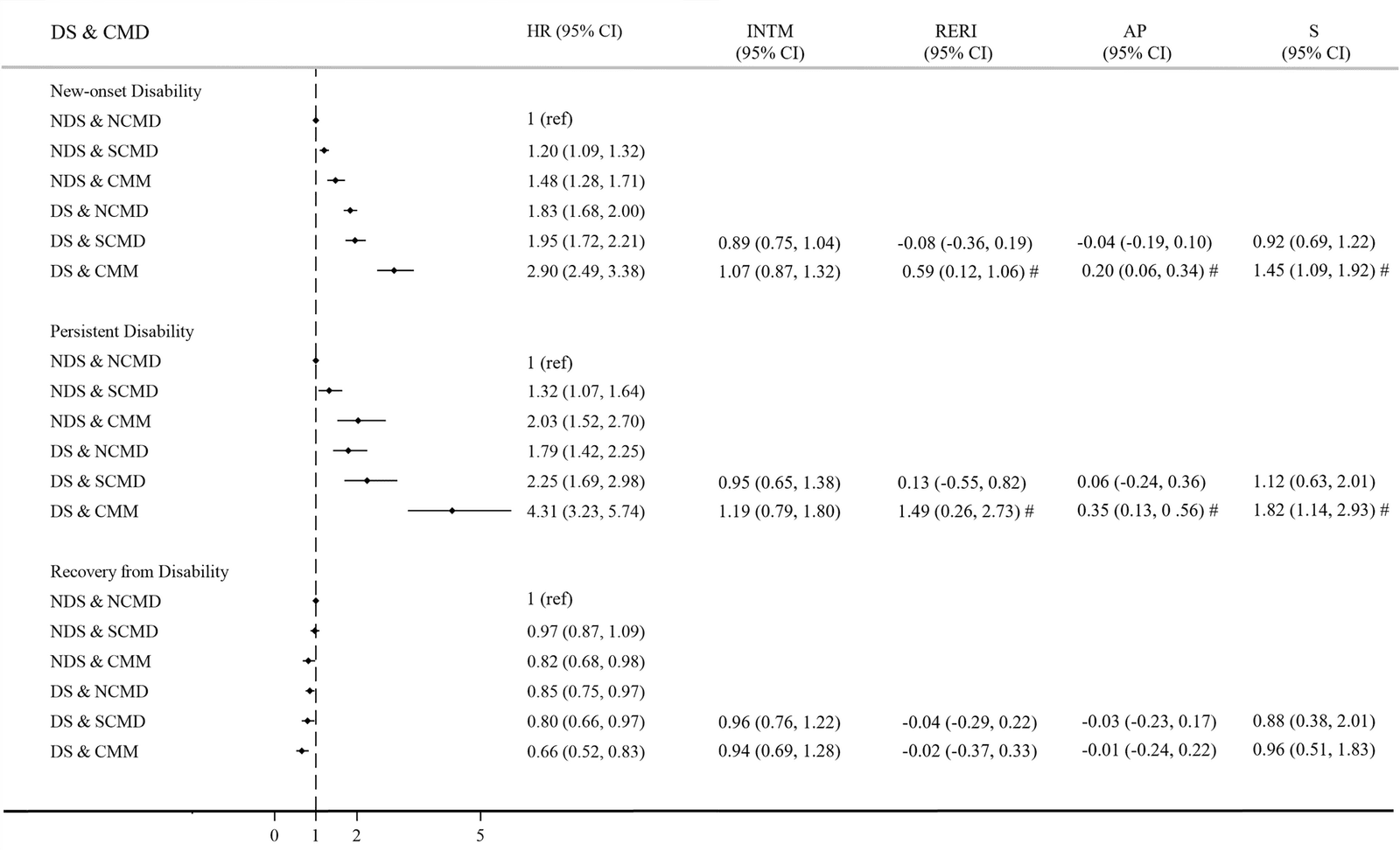
In a longitudinal study of 16,780 adults aged 45 years and older from the China Family Panel Studies, researchers tracked changes in instrumental activities of daily living disability between 2012 to 2020. The investigators examined how single cardiometabolic disease, cardiometabolic multimorbidity, and depression related to disability transitions and long-term trajectories. Both cardiometabolic disease and depression were independently associated with higher disability scores. Individuals with either condition faced higher risks of new-onset and persistent disability, a greater likelihood of severe disability trajectories, and a lower likelihood of recovery. When cardiometabolic multimorbidity and depression occurred together, their combined presence showed multiplicative and additive interactions that further amplified disability risks.
Why it matters
Maintaining functional independence is central to healthy aging. Identifying how metabolic and psychiatric disorders interact helps clinicians target multifaceted interventions to preserve daily living capabilities in older adults.
Caveats
The study relied on observational data from a single Chinese cohort, which demonstrates associations rather than direct causal mechanisms.
The paper
Associations of cardiometabolic disease and depression with changes in instrumental activities of daily living disability among middle-aged and older adults
Wang Y, Shin YS
Scientific Reports · 2 Oct 2026