Frailty reversal is linked to lower heart disease risk
In an observational study of 468,801 adults, reversing physical frailty was linked to lower cardiovascular risk, partly mediated by a signature of 309 blood proteins.
Limit: Analysis was restricted to UK Biobank participants and may not apply to other populations
Edited by Boris Djordjevic · AgingResearch.News
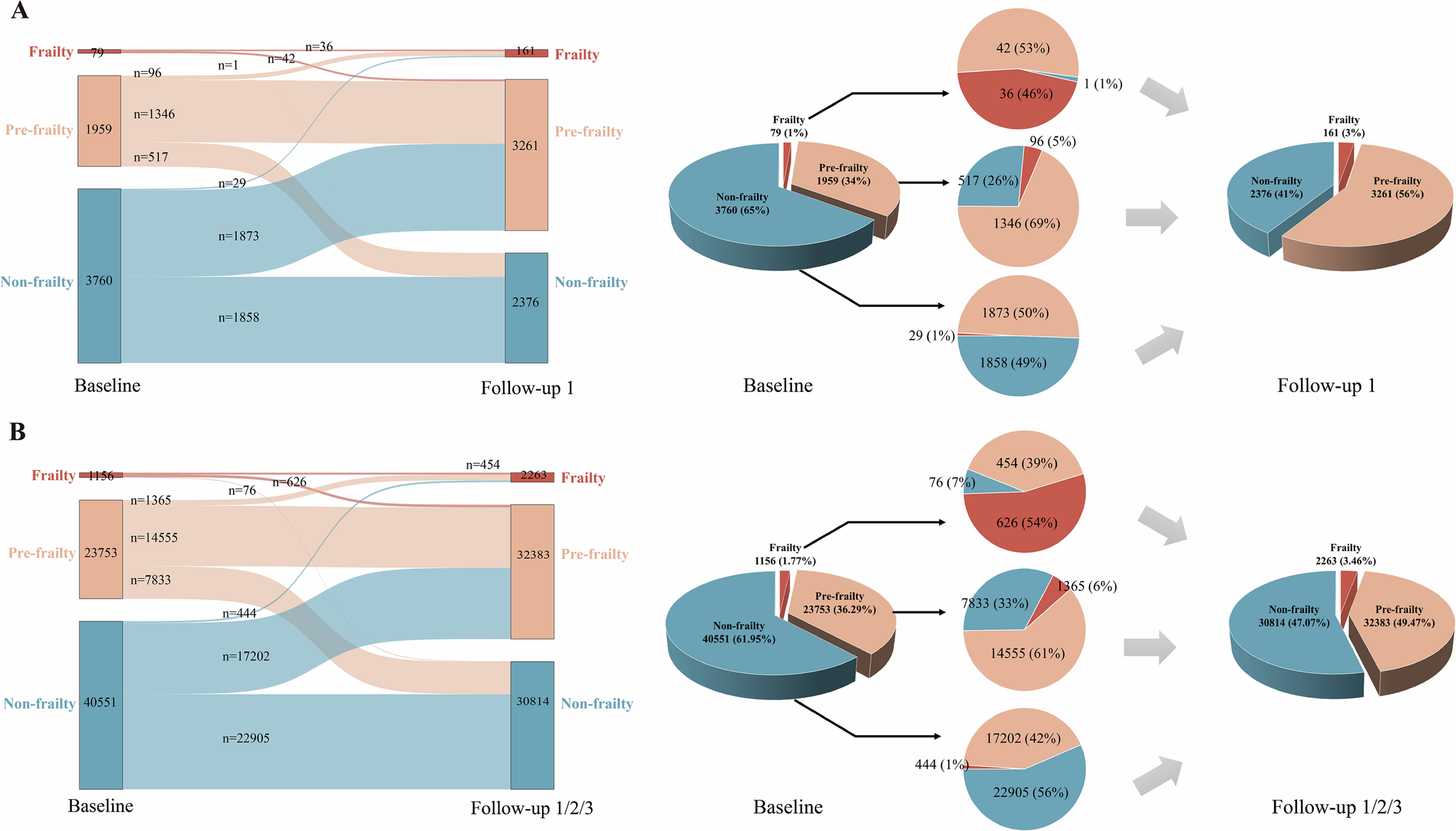
In an observational study of 468,801 UK Biobank participants, researchers examined whether recovering from physical frailty was linked to a lower risk of cardiovascular disease. Frailty reversal was associated with a significantly reduced risk of cardiovascular disease and improved cardiac morphology, the physical structure of the heart. The researchers identified 309 blood proteins associated with physical frailty. A higher score on this proteomic signature was linked to cardiovascular disease risk, with a hazard ratio of 1.60 for each standard-deviation increase. In mediation analyses, the proteomic signature accounted for an estimated 49.18% of the link between physical frailty and cardiovascular disease. Key hub proteins, including the inflammatory markers TNF, IL-1β, and IL6, also partially mediated the relationship.
Why it matters
Physical frailty frequently accompanies aging and increases vulnerability to chronic illness. Understanding how frailty recovery relates to circulating proteins could help clarify how biological aging processes contribute to cardiovascular disease.
Caveats
Because this was an observational study, the results show associations and cannot determine whether reversing frailty directly prevents cardiovascular disease. In addition, the analysis was restricted to UK Biobank participants, so the findings may not apply to other populations.
The paper
Zhengzhou University; First Affiliated Hospital of Zhengzhou University
NPJ Aging, Oct 21, 2026, Open access, CC BY-NC-ND