Cancer-promoting signals and immunity shape cell clearance in mice
In mice given altered blood-forming cells, cancer-promoting signals and immune defenses jointly shaped whether those cells were cleared.
Limit: Cell clearance during normal aging was not measured
Edited by Boris Djordjevic · AgingResearch.News
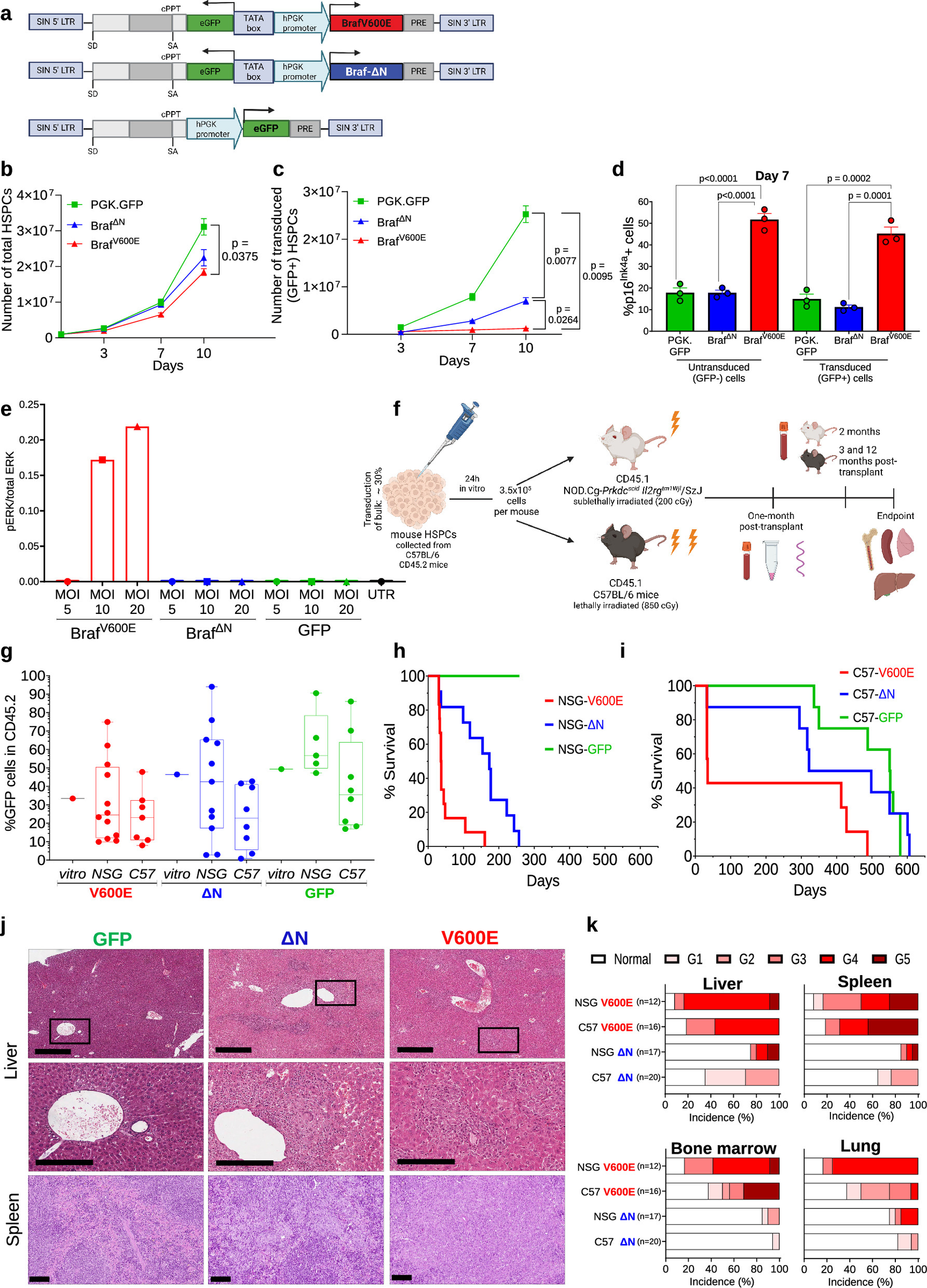
In an animal experiment, researchers transplanted blood-forming cells carrying cancer-promoting gene changes into mice with different immune defenses. They studied senescence, a stress response in which cells permanently stop dividing and release inflammation-promoting substances. One of the two gene variants triggered a stronger senescence response and more aggressive disease than the other.
Mice with intact immune defenses and fewer altered cells cleared those cells and survived long-term. Mice with more altered cells showed exhaustion of T cells, a type of immune cell, and died early. Mice lacking key immune defenses failed to clear the altered cells and developed sustained inflammation and bone marrow failure. Rapamycin reduced senescence-associated features and improved survival.
Why it matters
Failure to remove senescent cells contributes to inflammation, tissue dysfunction and aging. The findings may inform therapies aimed at senescent cells and chronic inflammation.
Caveats
This experiment modeled senescence triggered by cancer-promoting genes in transplanted cells, rather than senescence during normal aging. The findings came from mice, not people.


