Lowering a protein reduced drug sensitivity in senescent cells
In laboratory experiments, reducing the protein weakened two drugs’ cell-killing effects without changing the usual signs of senescence, a state in which cells stop dividing.
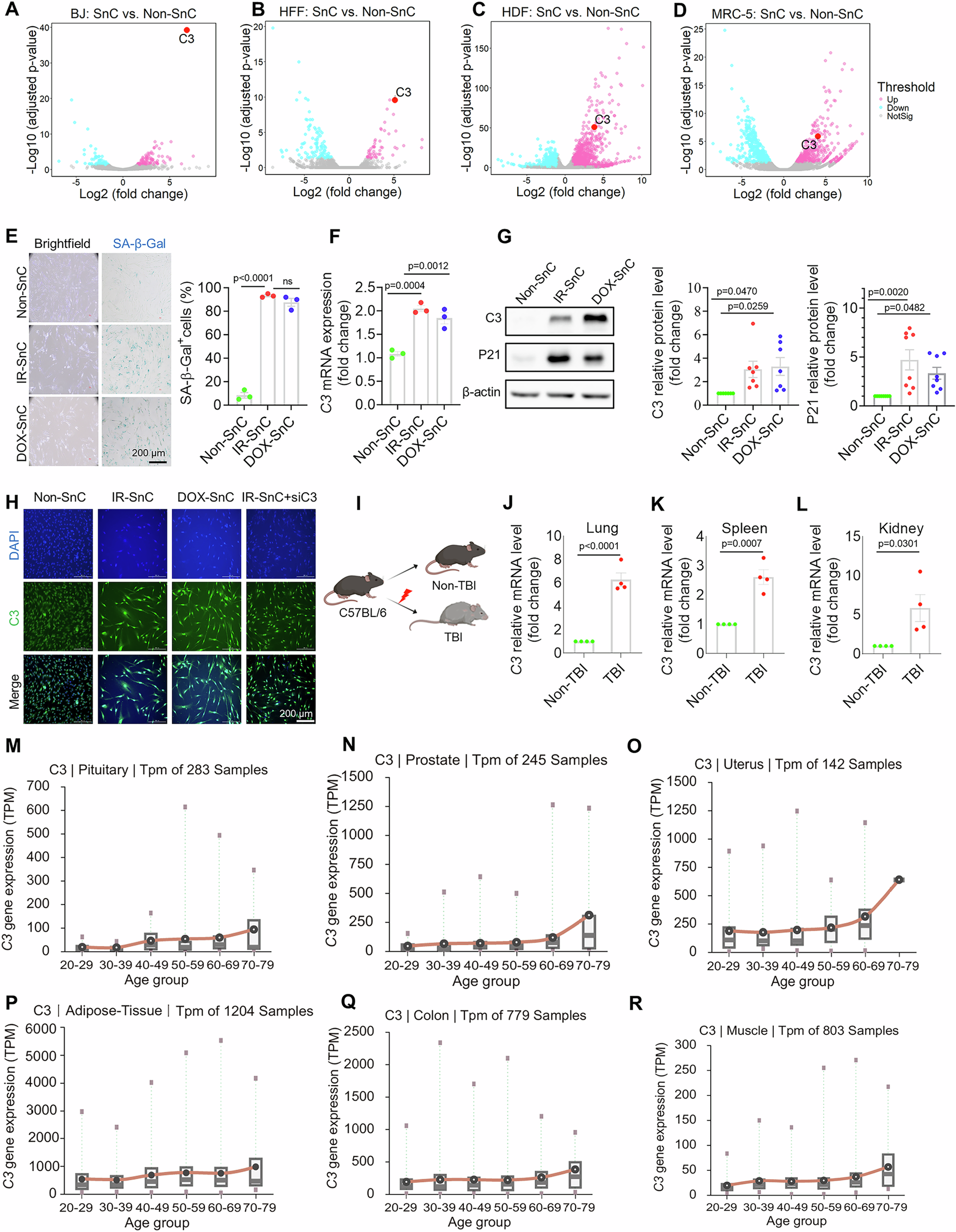
In experiments in several types of senescent cells—cells that have stopped dividing—and aged mice, researchers tested how a protein inside cells affected responses to cell-killing drugs. The protein, C3, was more abundant in senescent cells and aged tissues. Removing or reducing it did not change the usual signs of senescence.
Reducing C3 in cells weakened the cell-killing effects of ABT263 and bortezomib. A signalling pathway that supports cell survival remained active. Inhibiting AKT, a protein in this pathway, restored drug sensitivity in cells with reduced C3. In aged mice genetically engineered to lack C3, ABT263 failed to eliminate senescent cells effectively. Senescence markers and the substances these cells release persisted, and tissue scarring worsened.
Why it matters
Senescent cells accumulate in aging tissues and contribute to age-related disease. The work points to a potential target for overcoming resistance to drugs designed to remove them.
Caveats
These were cell and mouse experiments, not studies in people. The abstract did not report sample sizes, doses or treatment durations.