Brain immune pattern exists independently of Alzheimer's disease
An observational study found a brain immune pattern previously viewed as an Alzheimer's subtype exists independently of the disease and is linked to amyloid pathology.

Limit: Amyloid pathology may cause the immune phenotype, so the order may be reversed
Edited by Boris Djordjevic · AgingResearch.News
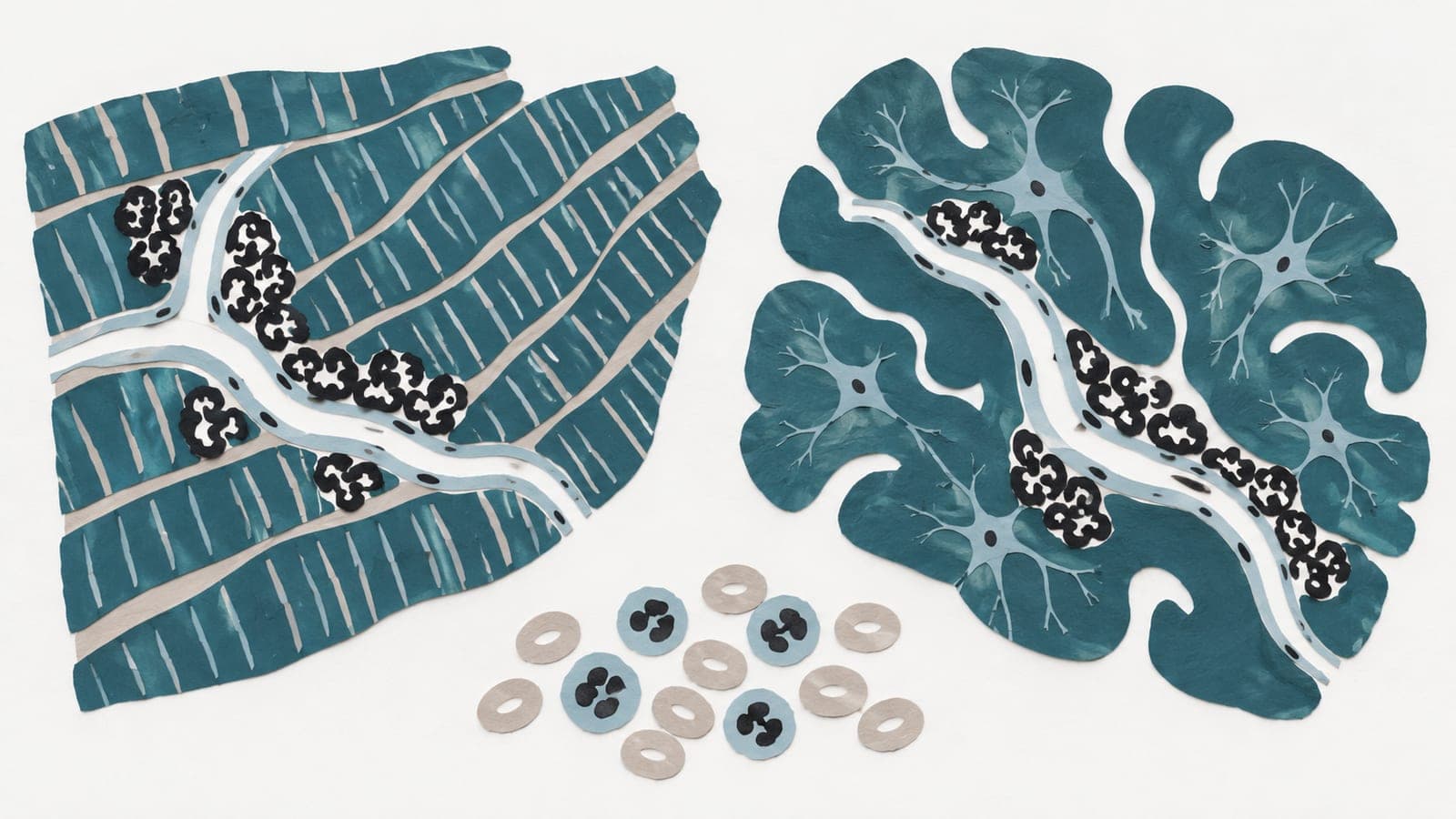
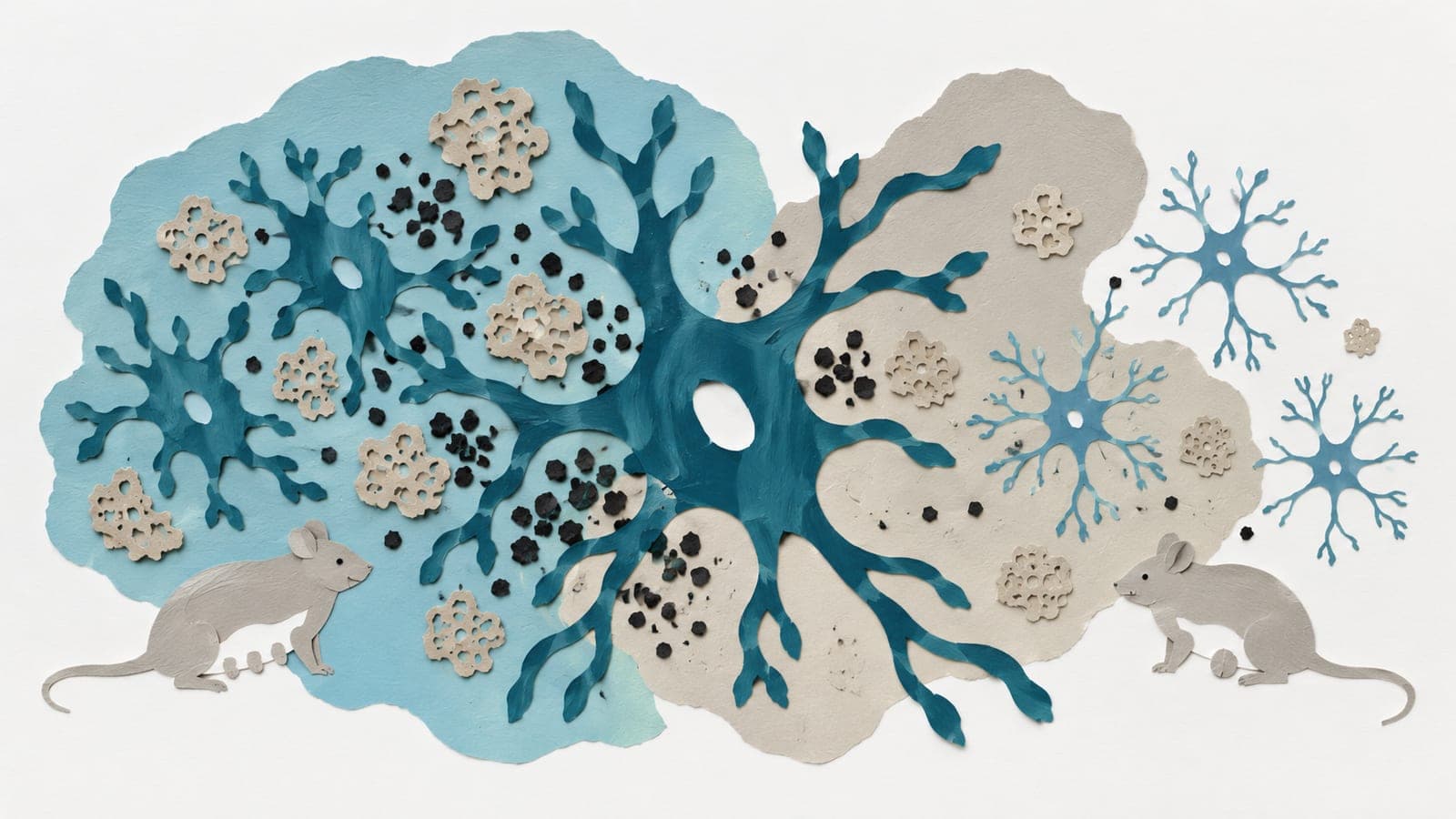
In an observational preprint study of human brain molecular profiles, researchers examined gene activity across individuals with Alzheimer's disease and neurologically healthy people. They evaluated a prominent immune gene expression pattern previously regarded as an Alzheimer's-specific disease subtype. The researchers found this immune phenotype exists independently of Alzheimer's disease. Its effect on gene activity exceeded the changes caused by Alzheimer's pathology itself. The pattern was accompanied by shifts in brain cell composition and distinct systemic inflammation, meaning inflammation throughout the body. It also interacted with disease susceptibility and was selectively associated with amyloid pathology, an accumulation of protein linked to the disease. The authors suggest that molecular differences among patients may partly stem from pre-existing brain phenotypes rather than distinct disease subtypes.
Why it matters
Alzheimer's disease is a major neurodegenerative disorder linked to aging, but patients display wide biological variation. Identifying pre-existing brain phenotypes could help researchers find people susceptible to amyloid pathology and guide preventive strategies before cognitive decline occurs.
Caveats
The paper is a preprint that has not yet undergone peer review. As an observational molecular analysis, it identifies associations with amyloid susceptibility but cannot establish whether the immune phenotype directly causes disease pathology.
The paper
Evotec SE
bioRxiv, Oct 21, 2026, Open access, CC BY-NC, Preprint, not peer-reviewed