Wearable pulse model ranks first on six prediction tasks
Trained on over 4 million recordings from 202,000 users, the model achieved the best main scores across six prediction tasks.

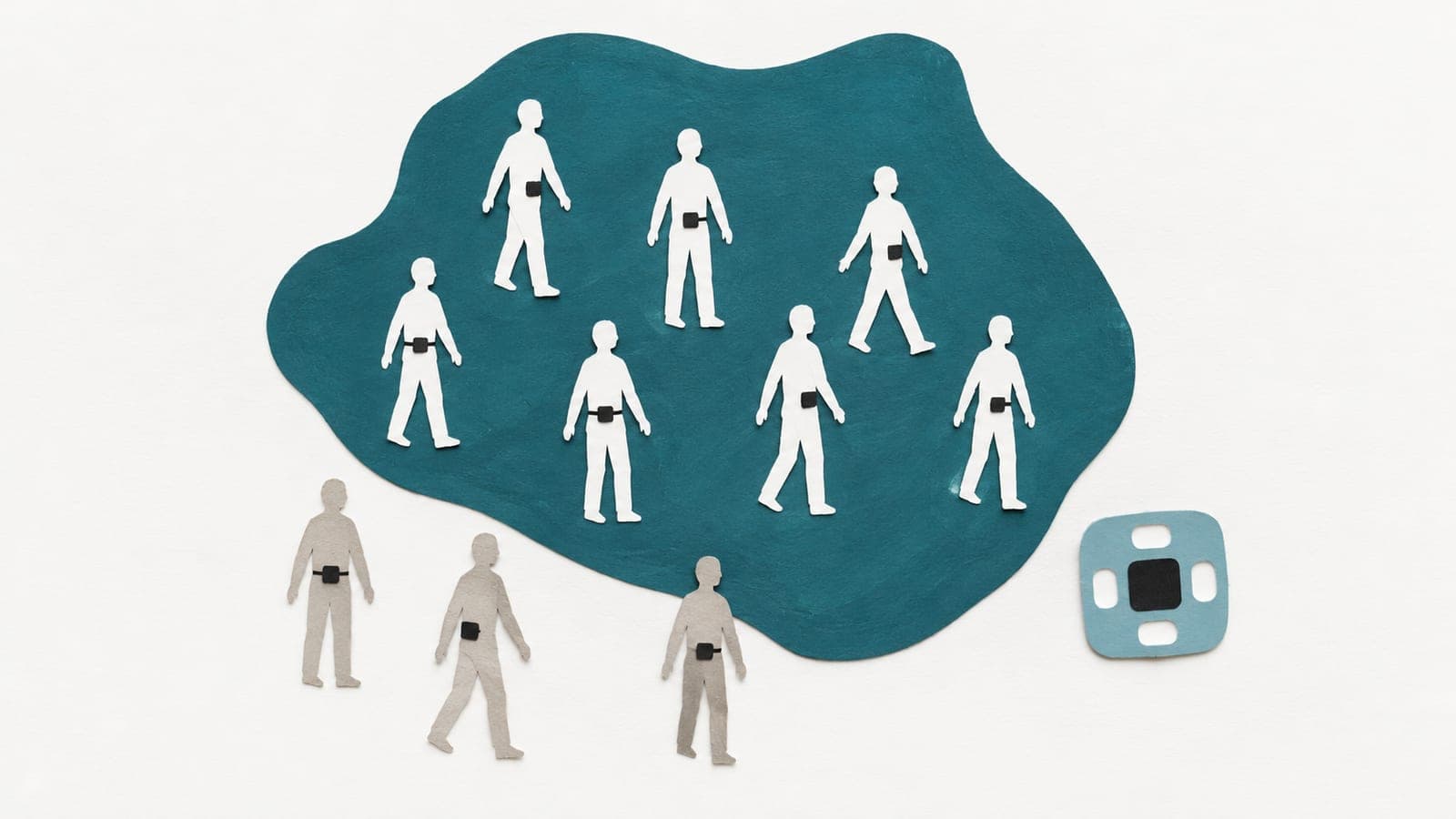
In a modelling study, researchers used over 4 million wrist-worn pulse recordings from 202,000 users to develop HiPPT. These recordings measured changes in blood volume using light. The model learnt from descriptions of individual pulse shapes and contextual information shared across groups of recordings.
HiPPT achieved the best main scores across six tasks when researchers tested simple predictors built on its learned patterns. The tasks covered blood pressure, vascular stiffness, physiological attributes and heart-rate estimation across datasets. The model also classified age group, sex and body mass index category without additional task-specific training. Body mass index relates weight to height. Classification performance improved when the model combined more recordings.
Why it matters
Age-group profiling bears on whether wearable pulse data can capture physiological patterns that distinguish people of different ages.
Caveats
The results concern prediction performance, not clinical outcomes or the pace of aging. This preprint has not been peer-reviewed.
The paper
HiPPT: Physiology-Grounded Wearable PPG Representation Learning via Multi-Scope Text Alignment
arXiv, 10 Oct 2026, Preprint, not peer-reviewed