Incident cancer

Papers on incident cancer

171 papers19 new in 30 days

Friday, November 6

Cancer Epidemiology, Biomarkers & Prevention

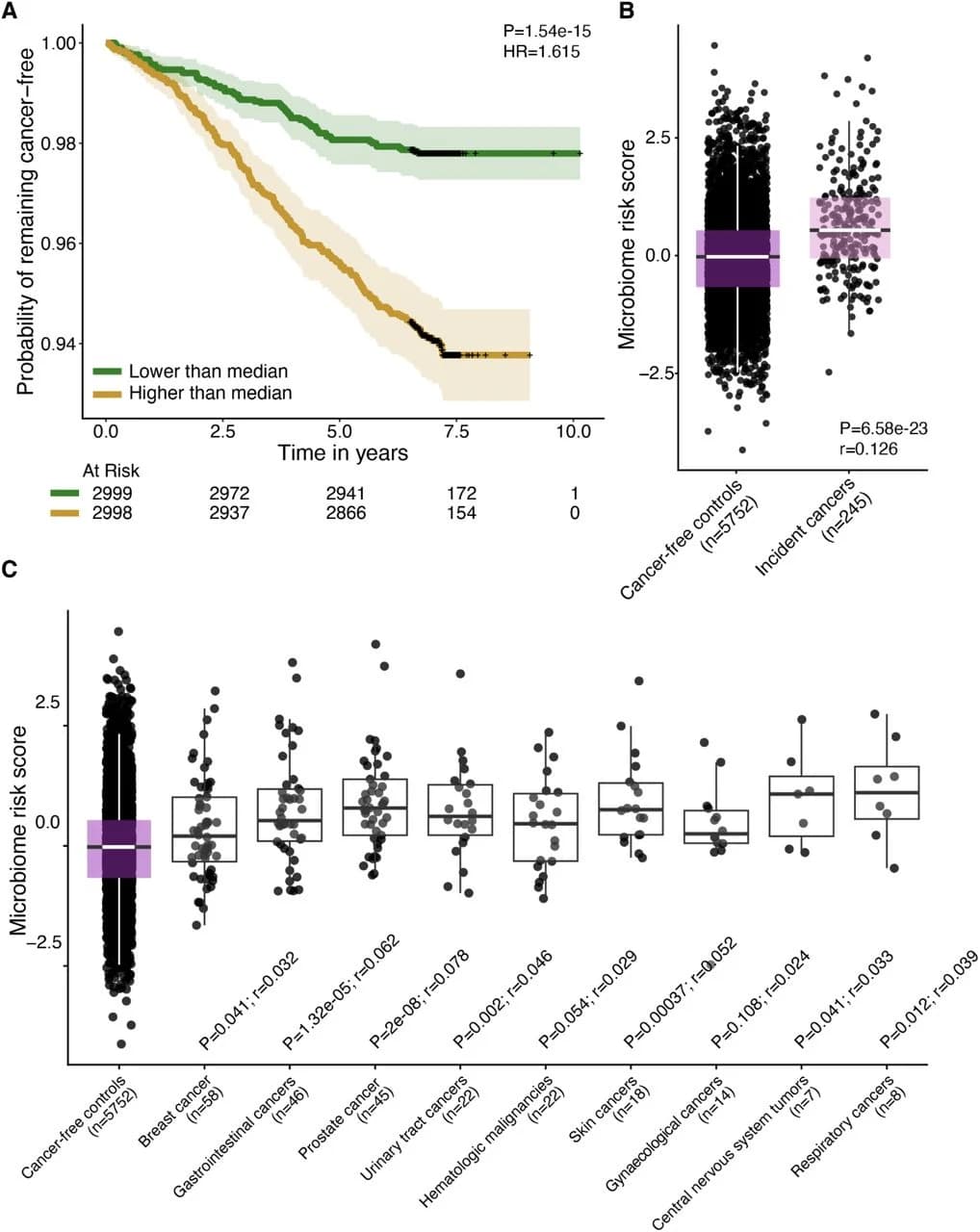
Urine profile linked to future cancer risk in healthy adults

Five-year cancer risk ranged from 0.18% in the lowest urine-score group to 32% in the highest.Five-year cancer risk ranged from 0.18% in the lowest urine-score group to 32% in the highest.

A long sugar molecule curves above a urine pool, flanked by gray human figures, with dark figures concentrated in the group on the right.
Cohort · 5,436 peopleCancer

Thursday, November 5

Tuesday, November 3

Friday, October 30

Thursday, October 29

Tuesday, October 27

Ophthalmology Science

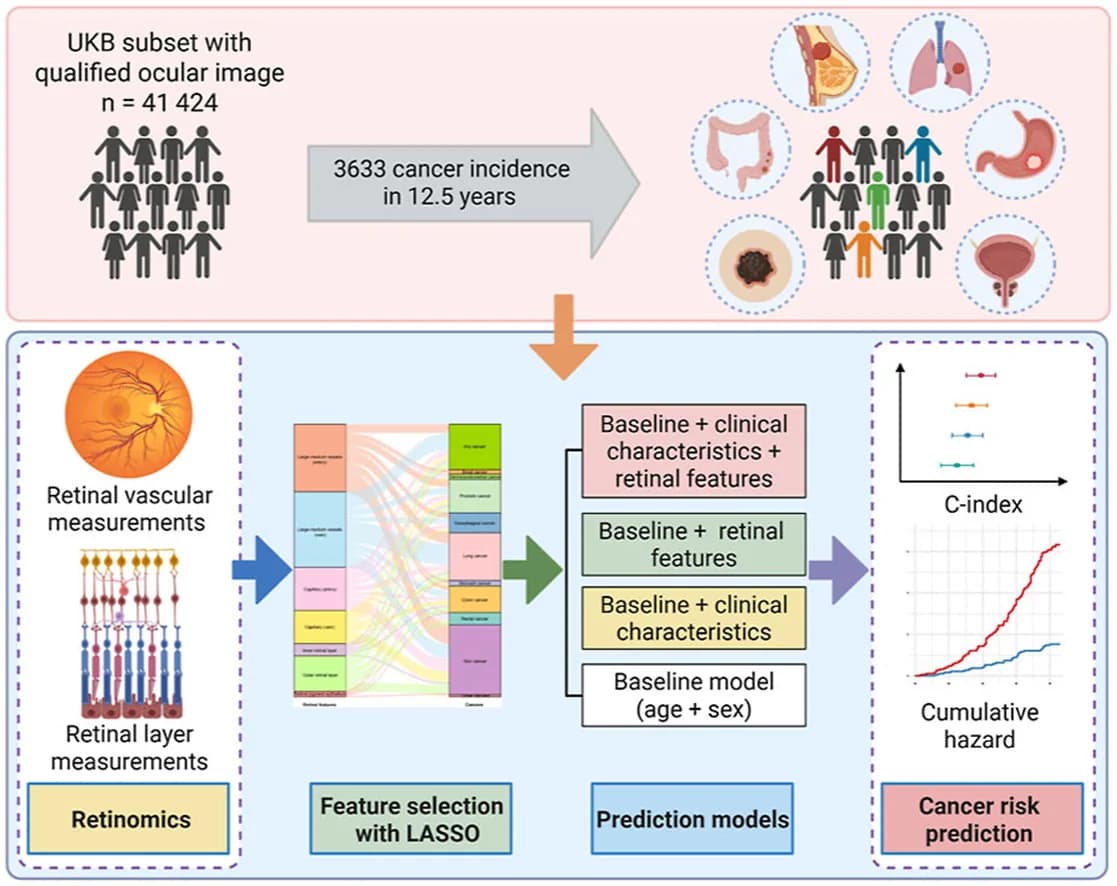
Retinal measurements helped predict cancer in UK cohort

People classified as high risk from retinal measurements had nearly threefold higher cancer risk over 12 years than those classified as low risk.People classified as high risk from retinal measurements had nearly threefold higher cancer risk over 12 years than those classified as low risk.

Figure from Ophthalmology Science
Cohort · 41,424 peopleCancer
Annals of Internal Medicine

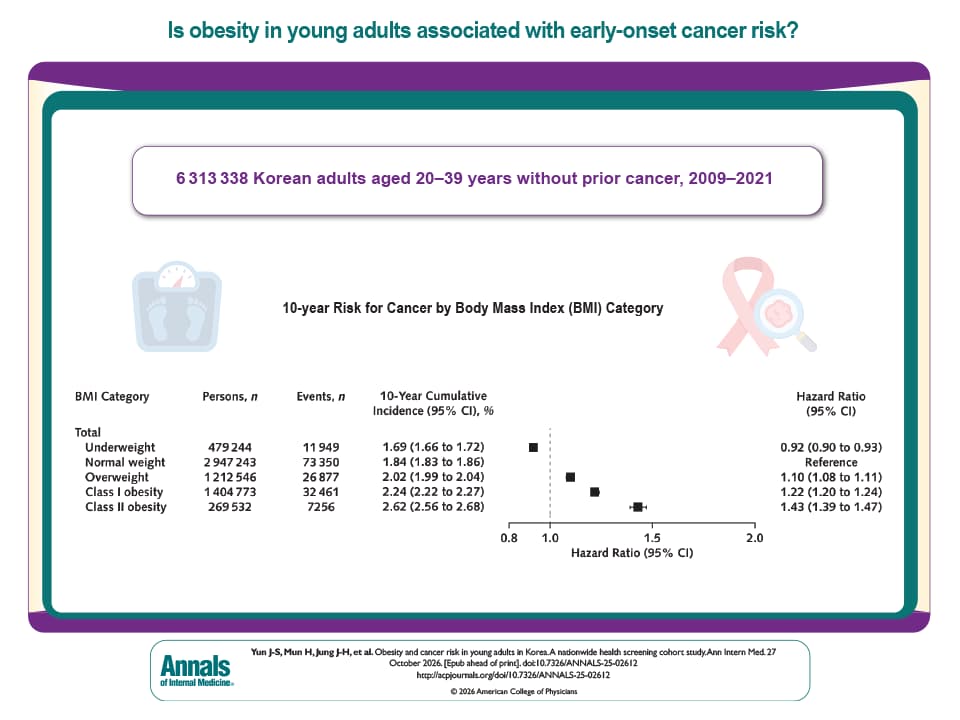
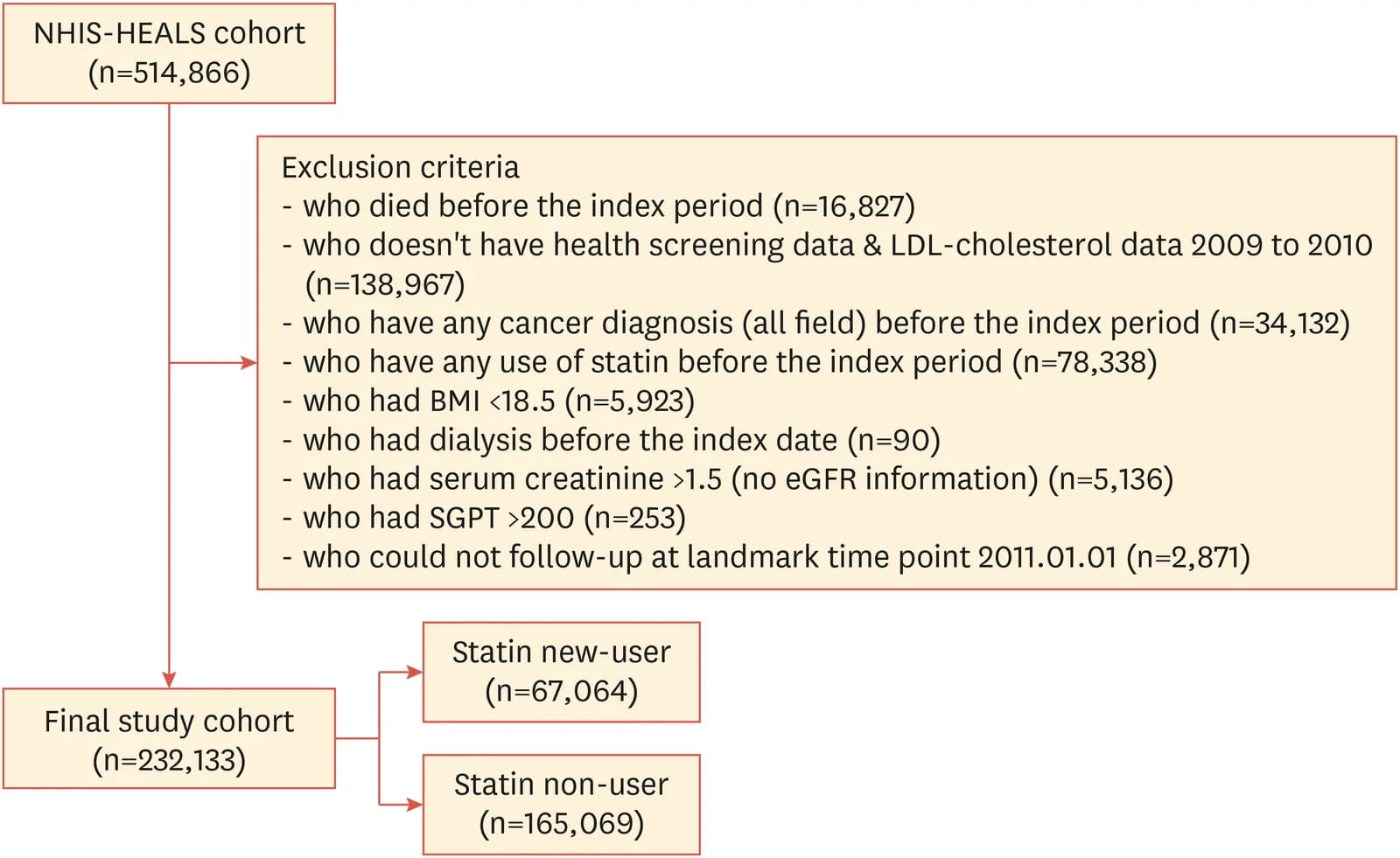
Obesity linked to higher cancer risk in young Korean adults

Ten-year cancer incidence was 1.84% at normal weight, 2.24% with class I obesity and 2.62% with class II obesity.Ten-year cancer incidence was 1.84% at normal weight, 2.24% with class I obesity and 2.62% with class II obesity.

Figure from Annals of Internal Medicine
Cohort · 6,313,338 peopleObesity
Disability and Health Journal

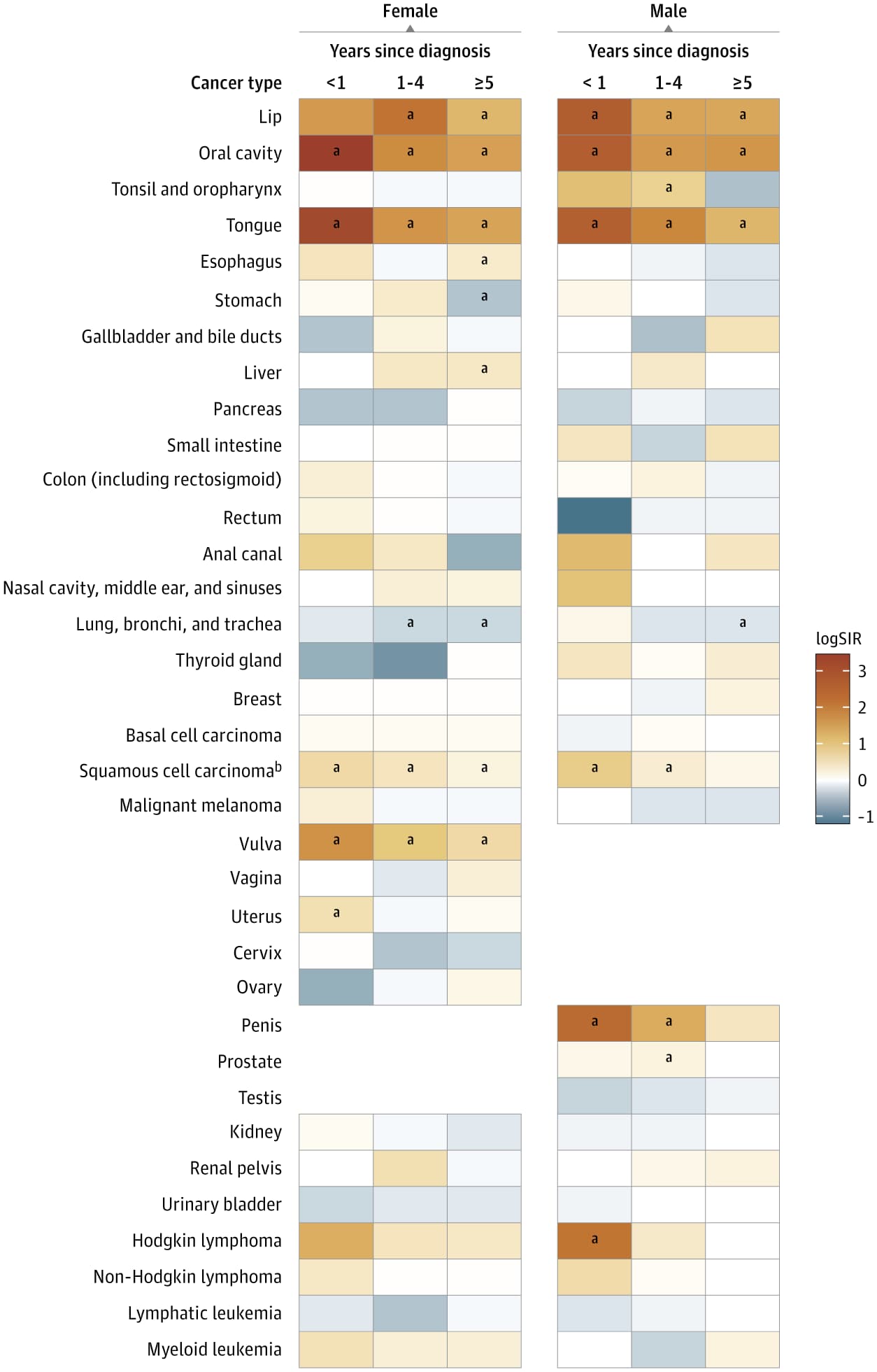
Cancer rates vary by age in people with intellectual disability

Children with intellectual disability had a standardized cancer incidence ratio of 4.55 compared with an age- and sex-matched reference group in Denmark.Children with intellectual disability had a standardized cancer incidence ratio of 4.55 compared with an age- and sex-matched reference group in Denmark.

Figure from Disability and Health Journal
Cohort · 84,007 peopleIntellectual disability

Monday, October 26

ESC Congress 2026 Abstract

Blood sugar marker tied to cancer in heart failure and type 2 diabetes

Compared with blood sugar marker levels of 5.0–6.9%, levels below 5.0% had an adjusted cancer hazard ratio of 1.28, a measure of relative risk.Compared with blood sugar marker levels of 5.0–6.9%, levels below 5.0% had an adjusted cancer hazard ratio of 1.28, a measure of relative risk.

Blood cells with sparse or dense sugar attachments sit beside larger cancer cell clusters than blood cells with moderate attachments.
Cohort · 62,845 peopleCancer

Friday, October 23

Thursday, October 22

Tuesday, October 20

Sunday, October 18

Wednesday, October 14

Wednesday, October 7

Journal of the National Cancer Institute

Two negative oral cancer screens could allow 10-year gaps

Over 11 years, oral cancer developed in 4.13% of people positive on both screens versus 0.13% of those negative on both.Over 11 years, oral cancer developed in 4.13% of people positive on both screens versus 0.13% of those negative on both.

An open mouth with a ragged dark lesion contrasts with a smaller mouth with intact lining, each beside a group of upright figures.
Cohort · 28,821 peopleOral cancer

Monday, October 5

BMC Medicine

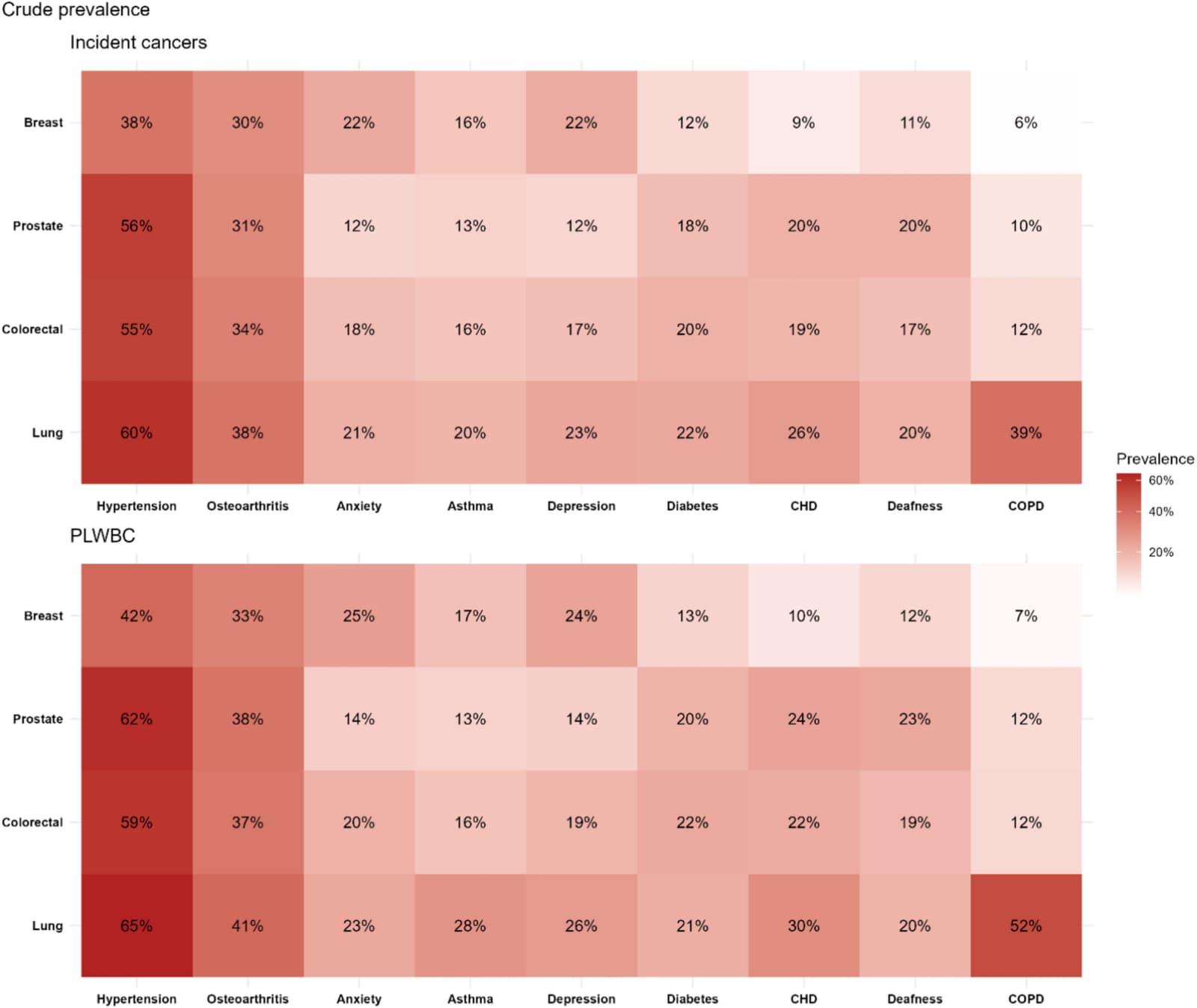
Most people with cancer live with multiple long-term conditions

In 33,258 newly diagnosed adults and 16,807 five-year survivors, non-cancer multimorbidity affected 60% to 86% at diagnosis and 70% to 90% in survivorship.In 33,258 newly diagnosed adults and 16,807 five-year survivors, non-cancer multimorbidity affected 60% to 86% at diagnosis and 70% to 90% in survivorship.

Figure from BMC Medicine
Study in peoplePopulations

Friday, October 2

medRxiv

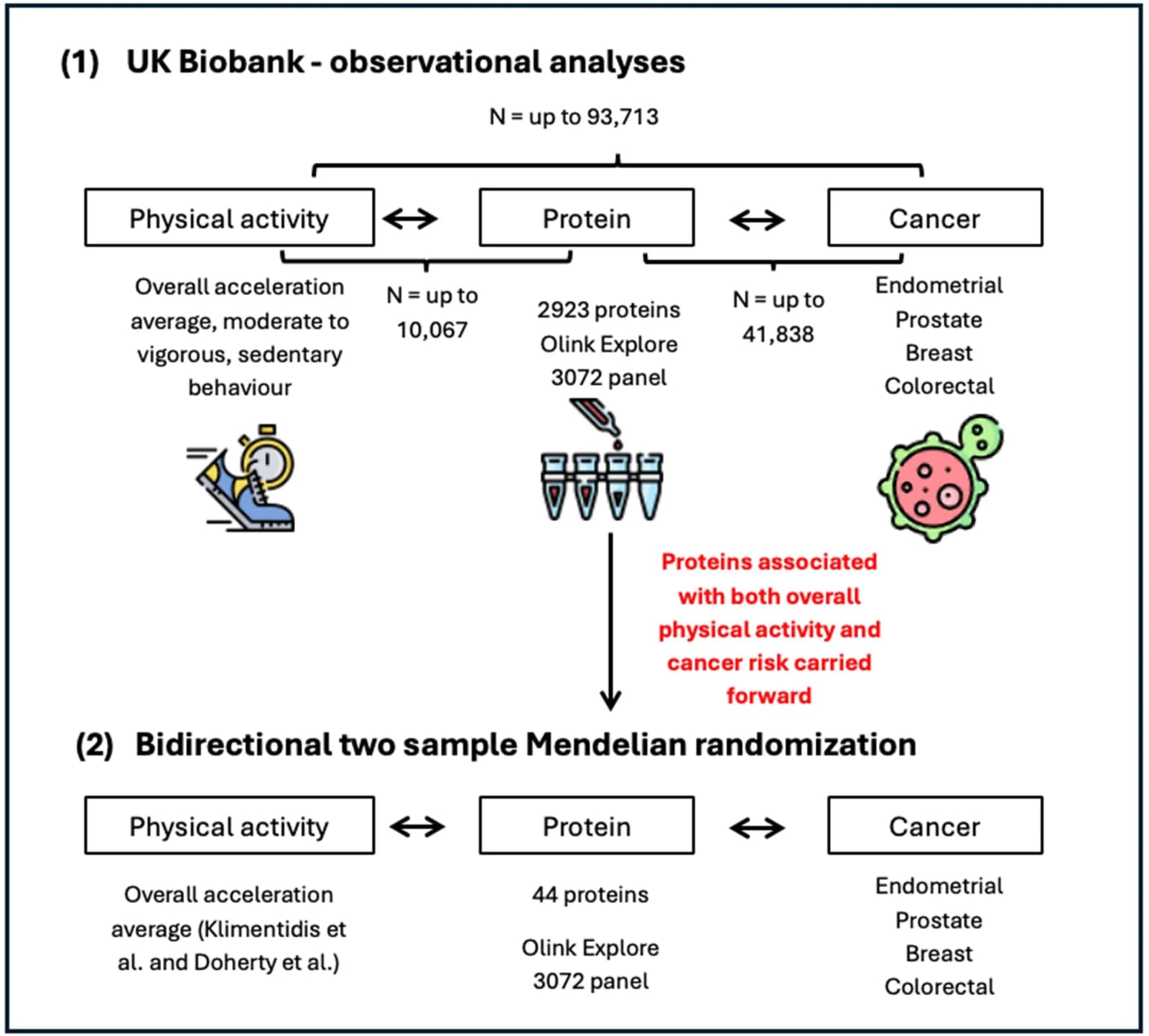
Plasma proteomics reveals pre-diagnostic markers for 25 cancers

In a study of 9,828 participants, researchers identified 1,732 plasma protein associations across 25 cancers, with 49% statistically replicated in an independent cohort.In a study of 9,828 participants, researchers identified 1,732 plasma protein associations across 25 cancers, with 49% statistically replicated in an independent cohort.

Schematic overview of the study design
Preprint: cohort study of 9,828 peopleCancer

Thursday, October 1

Monday, September 28

Social Science & Medicine

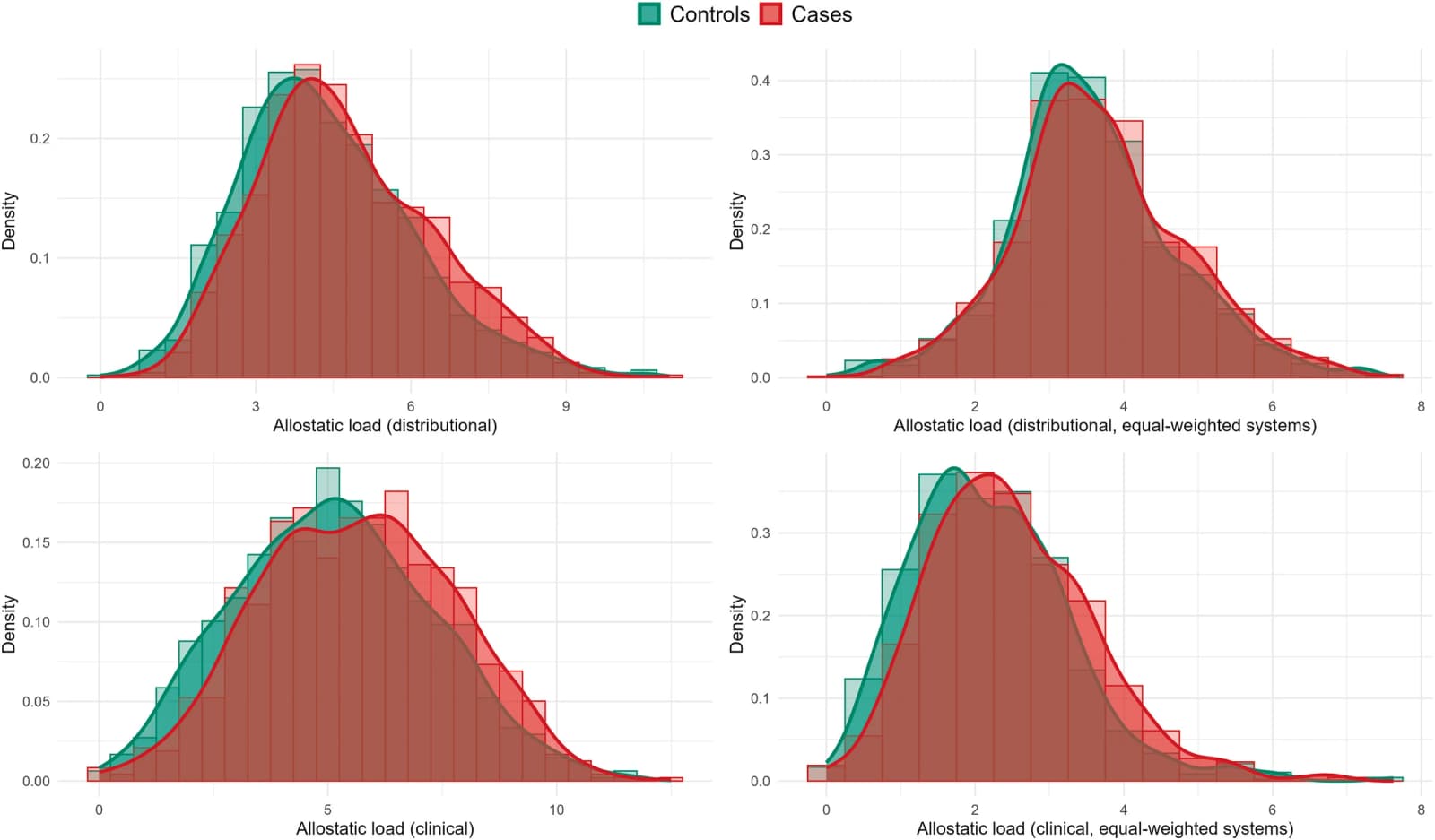
High allostatic load associates with increased cancer risk

Participants in the highest quartile of allostatic load had over double the cancer risk compared to the lowest quartile, showing an odds ratio of 2.24.Participants in the highest quartile of allostatic load had over double the cancer risk compared to the lowest quartile, showing an odds ratio of 2.24.

Figure from Social Science & Medicine
Case-control study in peopleAllostatic load

Saturday, September 19

The Lancet Regional Health Europe

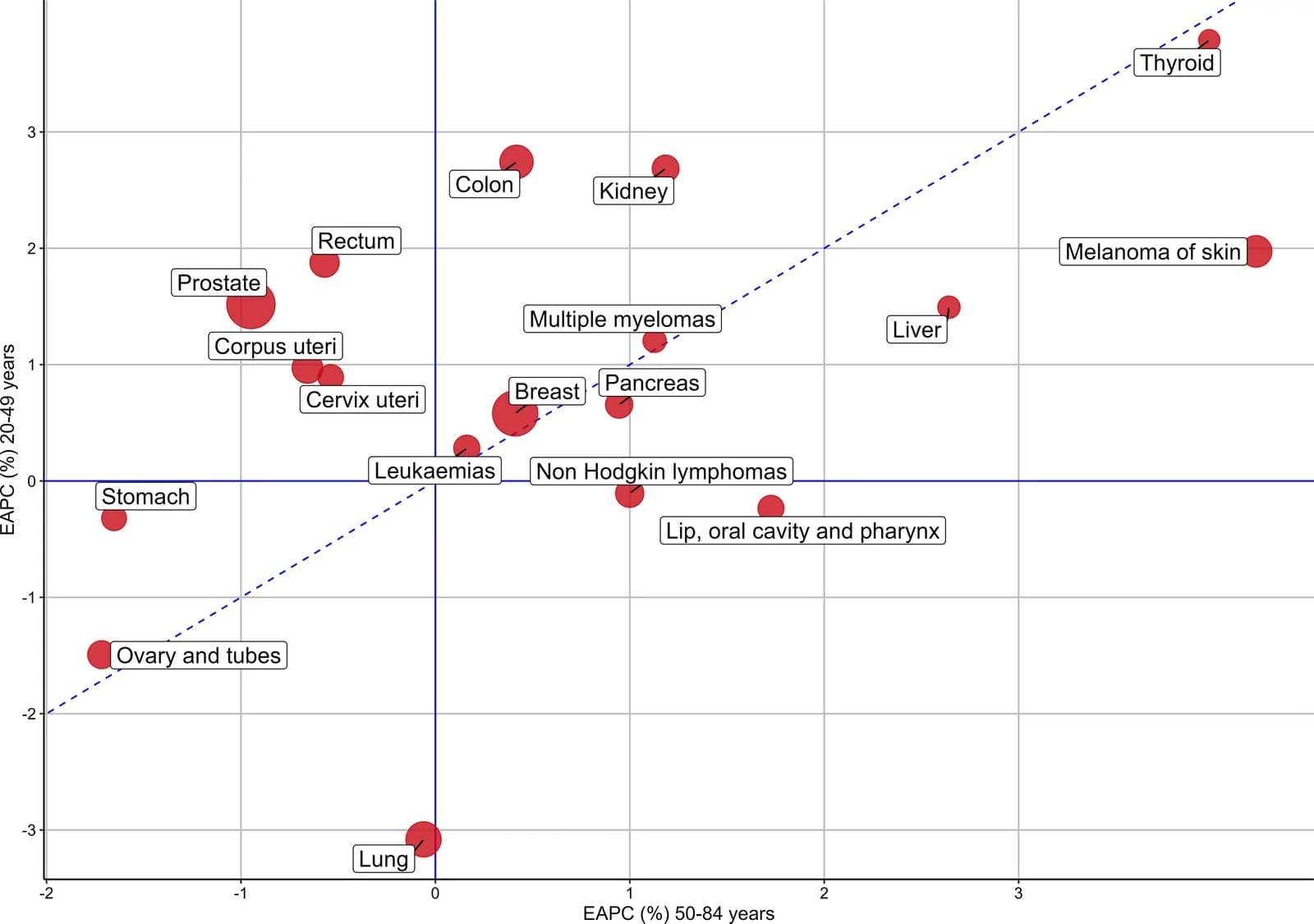
Rates of 12 cancer types rose in younger Nordic adults

Colon cancer rates rose an estimated 2.7% annually at ages 20–49 versus 0.4% at ages 50–84; kidney cancer rates rose 2.7% versus 1.2%.Colon cancer rates rose an estimated 2.7% annually at ages 20–49 versus 0.4% at ages 50–84; kidney cancer rates rose 2.7% versus 1.2%.

Estimated Annual Percent Change (EAPC) in age-standardised incidence rates per cancer site for the Nordic population combined between 2003 and 2022, for ages 20–49 and 50–84 years.
Cohort study in peopleCancer

Friday, September 18

Tuesday, September 15

Sunday, September 13

Friday, September 11