Alzheimer's disease and related dementias

Papers on Alzheimer's disease and related dementias

968 papers29 new in 30 days

Tuesday, November 17

medRxiv

Brain surface area adds to dementia risk prediction

In three aging and dementia cohorts, surface area and thickness together predicted new dementia cases better than either measure alone over an average 4.3 years.In three aging and dementia cohorts, surface area and thickness together predicted new dementia cases better than either measure alone over an average 4.3 years.
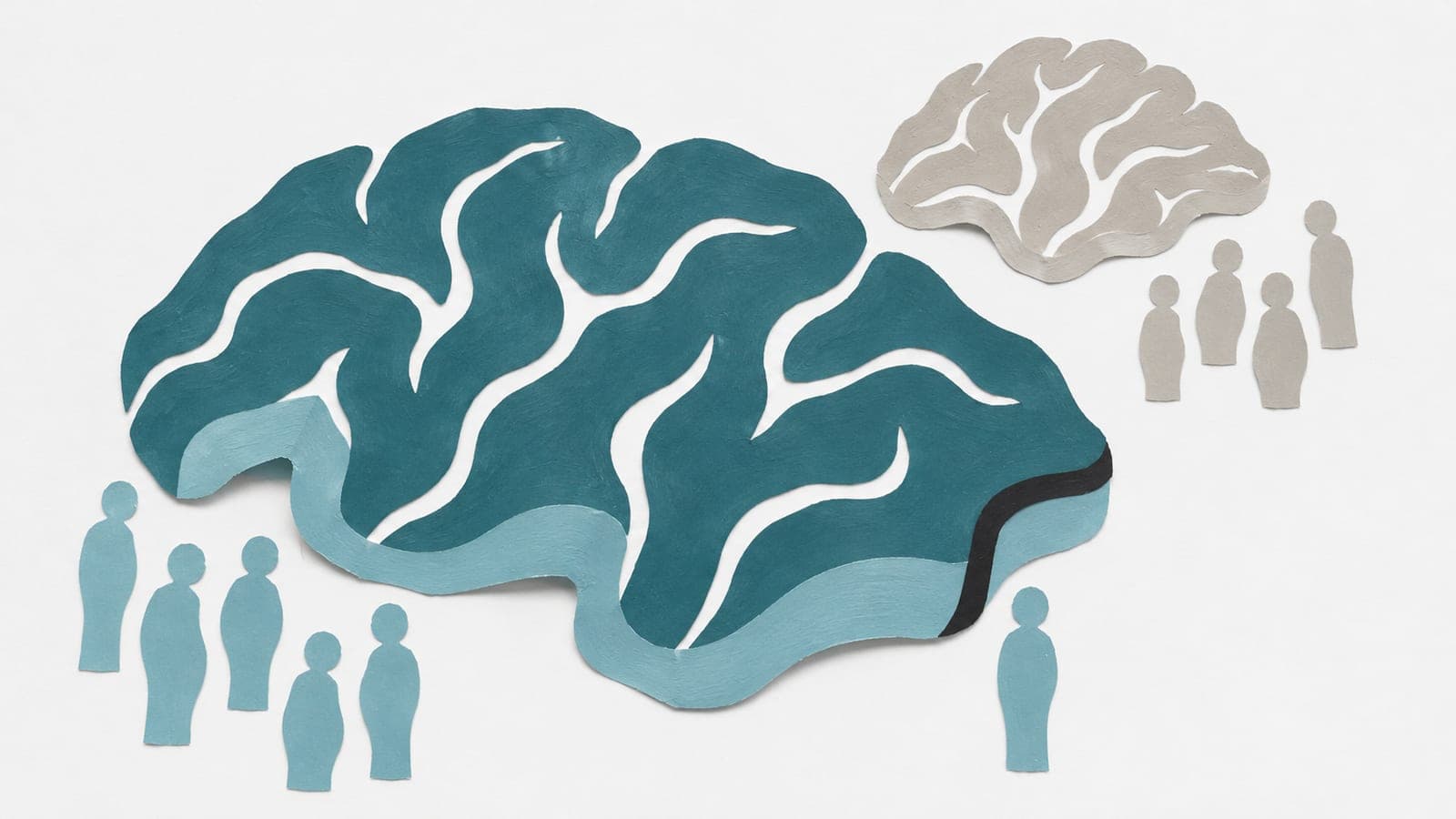
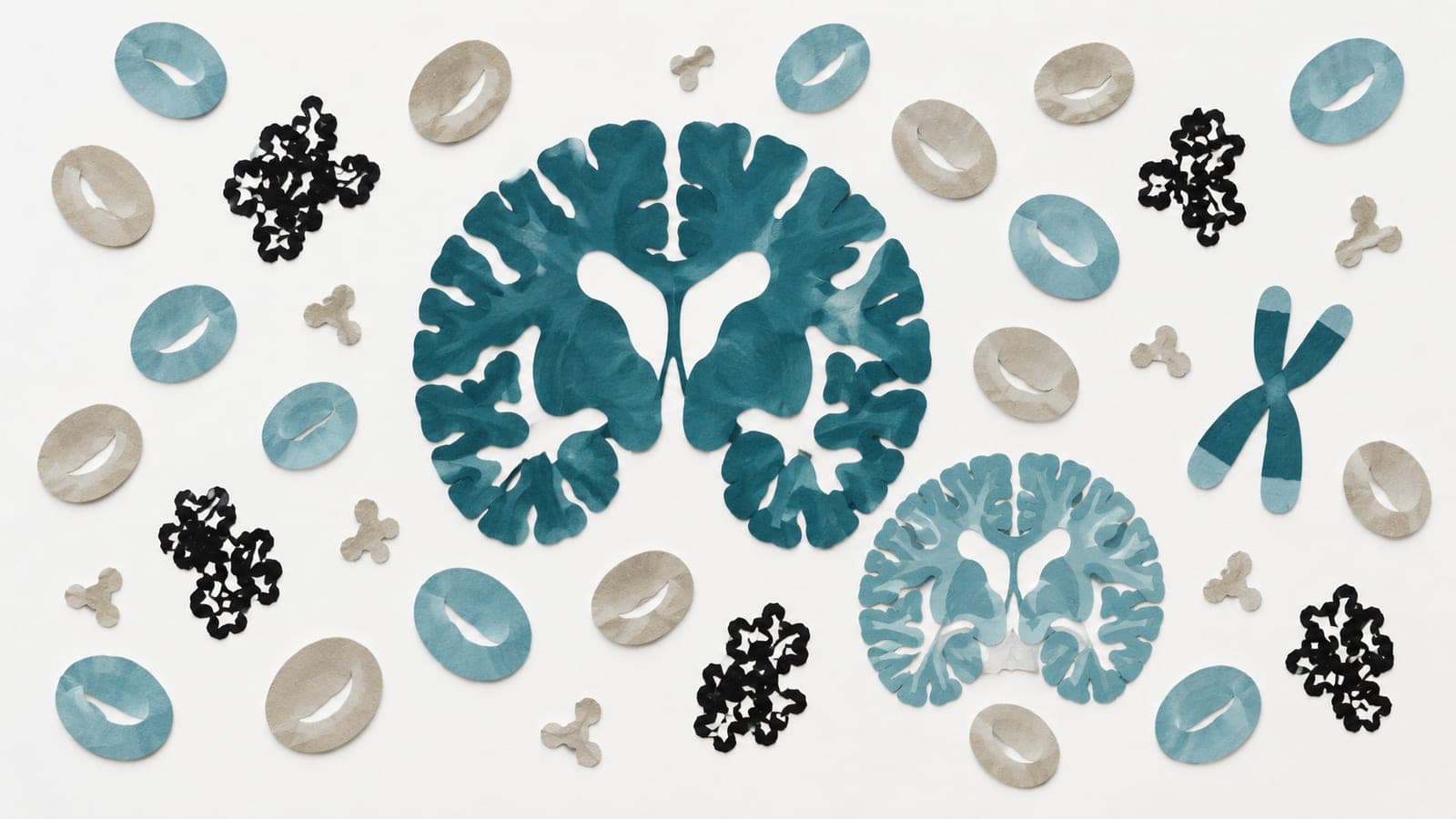
A broad, thick dark blue-green cortical sheet contrasts with a smaller, thinner gray sheet, with small faceless groups gathered nearby.

Monday, November 16

Friday, November 13

Wednesday, November 11

Journal of Neuroinflammation

Air pollution changed brain immune cell activity in mice

A 20-week mouse experiment found that genetic background shaped how brain immune cells responded to fine-particle air pollution.A 20-week mouse experiment found that genetic background shaped how brain immune cells responded to fine-particle air pollution.

Figure from Journal of Neuroinflammation
Mouse studyMechanisms

Monday, November 9

medRxiv

Genetic dementia risk linked to thinking levels and decline

An observational analysis of 11,518 US adults used 26 years of data to distinguish genetic links involving preexisting thinking ability from those involving age-related…An observational analysis of 11,518 US adults used 26 years of data to distinguish genetic links involving preexisting thinking ability from those involving age-related decline.

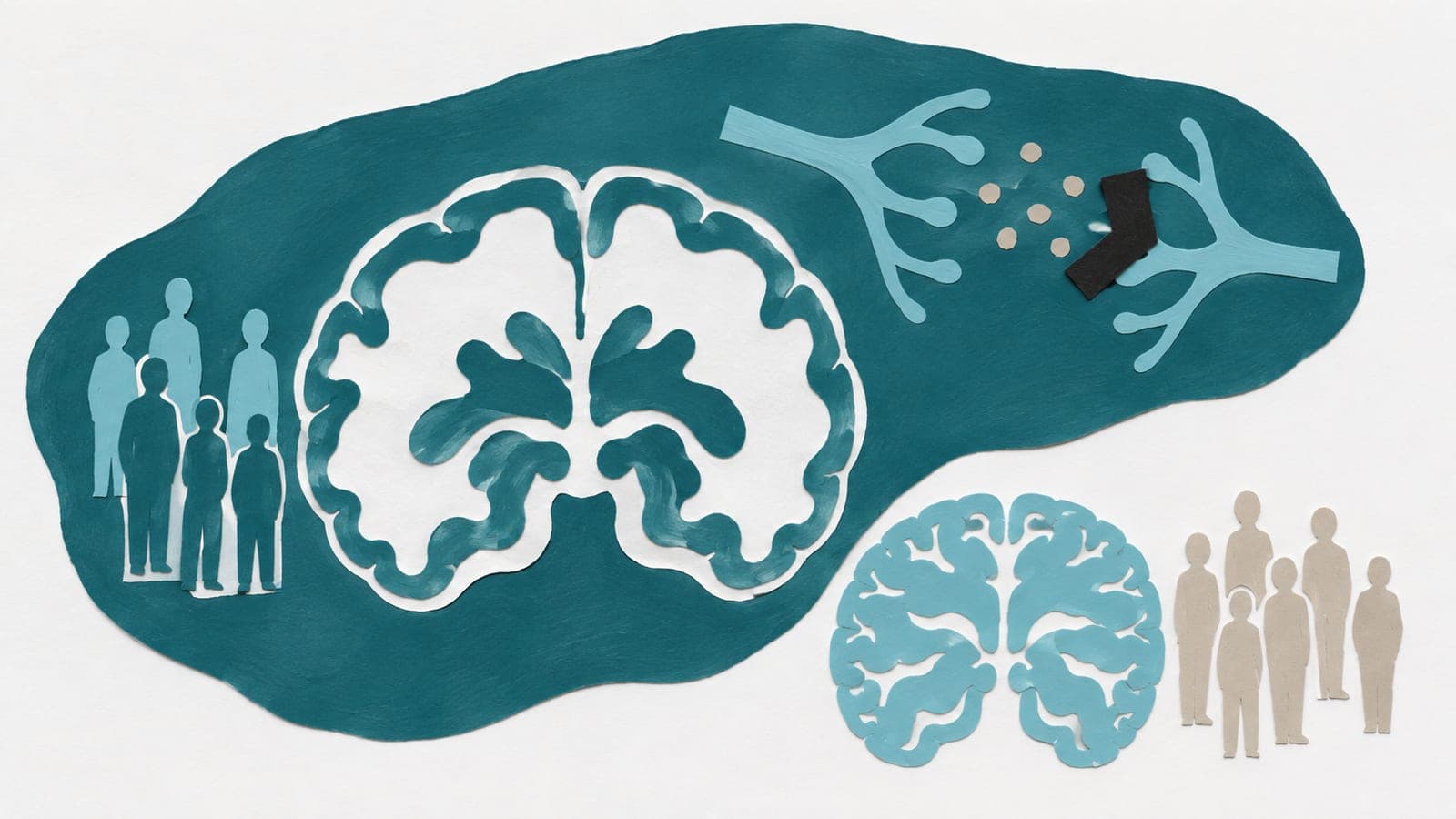
A brain cross-section contains densely branching neurons on one side and sparse neurons on the other, with small upright human figures gathered below.
Preprint: cohort · 11,518 peopleAlzheimer's disease and related dementias

Thursday, November 5

medRxiv

Drugs linked to dementia, falls and death in autistic adults

Exposure to medicines with anticholinergic effects was 80.0% in adults with autism alone, versus 61.3% in controls without autism or intellectual disability.Exposure to medicines with anticholinergic effects was 80.0% in adults with autism alone, versus 61.3% in controls without autism or intellectual disability.

Brain sections with thin versus fuller folds sit beside separate groups of upright adults, with a blocked nerve connection above.
Preprint: cohort · 61,212,067 peopleAlzheimer's disease and related dementias

Tuesday, November 3

bioRxiv

Brain scan charts map white matter spots across adult life

An observational analysis of 42,469 brain lesion maps from 12 adult cohorts produced reference charts comparing the amount and location of white matter changes.An observational analysis of 42,469 brain lesion maps from 12 adult cohorts produced reference charts comparing the amount and location of white matter changes.

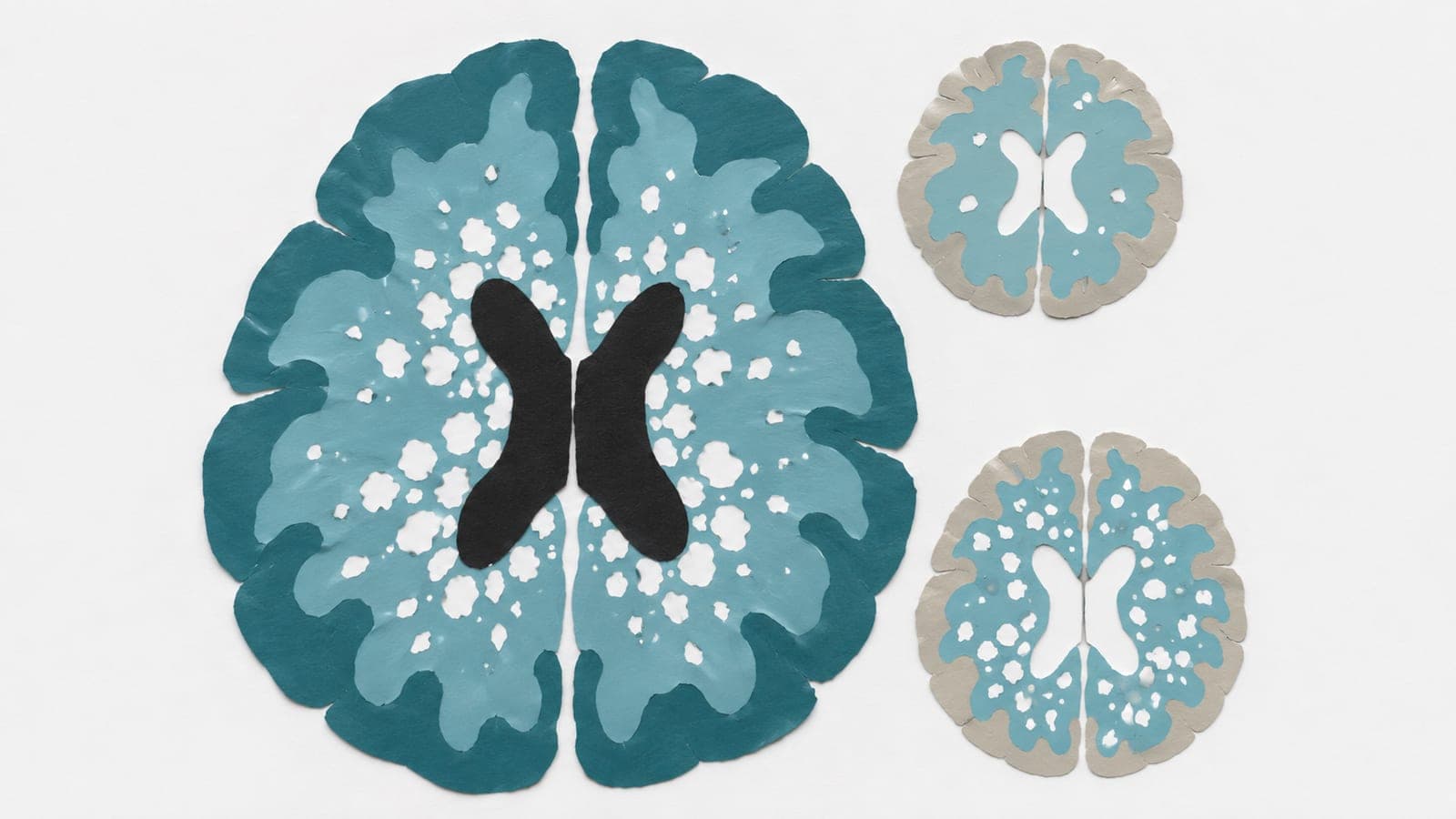
A brain cross-section with dense white matter spots sits beside two smaller sections showing sparse spots and a more widely scattered pattern.
Preprint: cross-sectional study of 42,469 peopleAI & data

Monday, November 2

Friday, October 30

Friday, October 23

PNAS

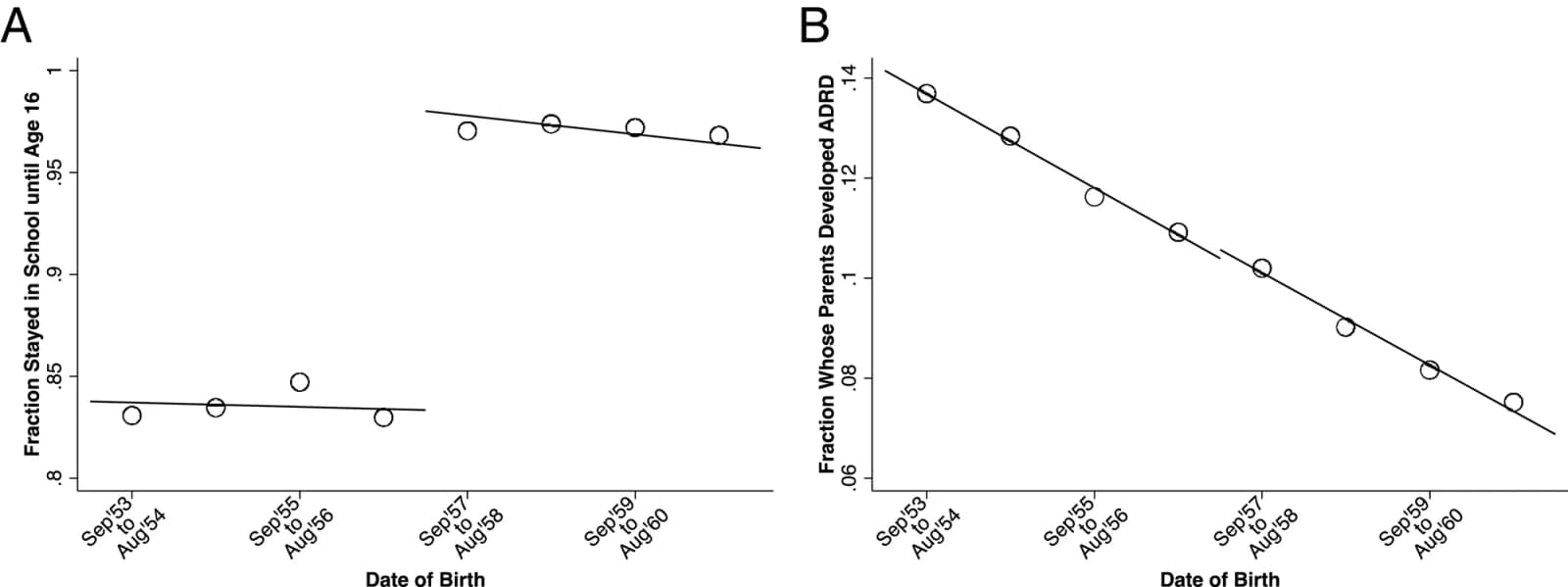
Education linked to fewer new dementia cases

An observational study using a compulsory schooling reform also found a weaker link between inherited risk and dementia.An observational study using a compulsory schooling reform also found a weaker link between inherited risk and dementia.

The natural experiment.

Wednesday, October 21

Sunday, October 18

Alzheimer's & Dementia

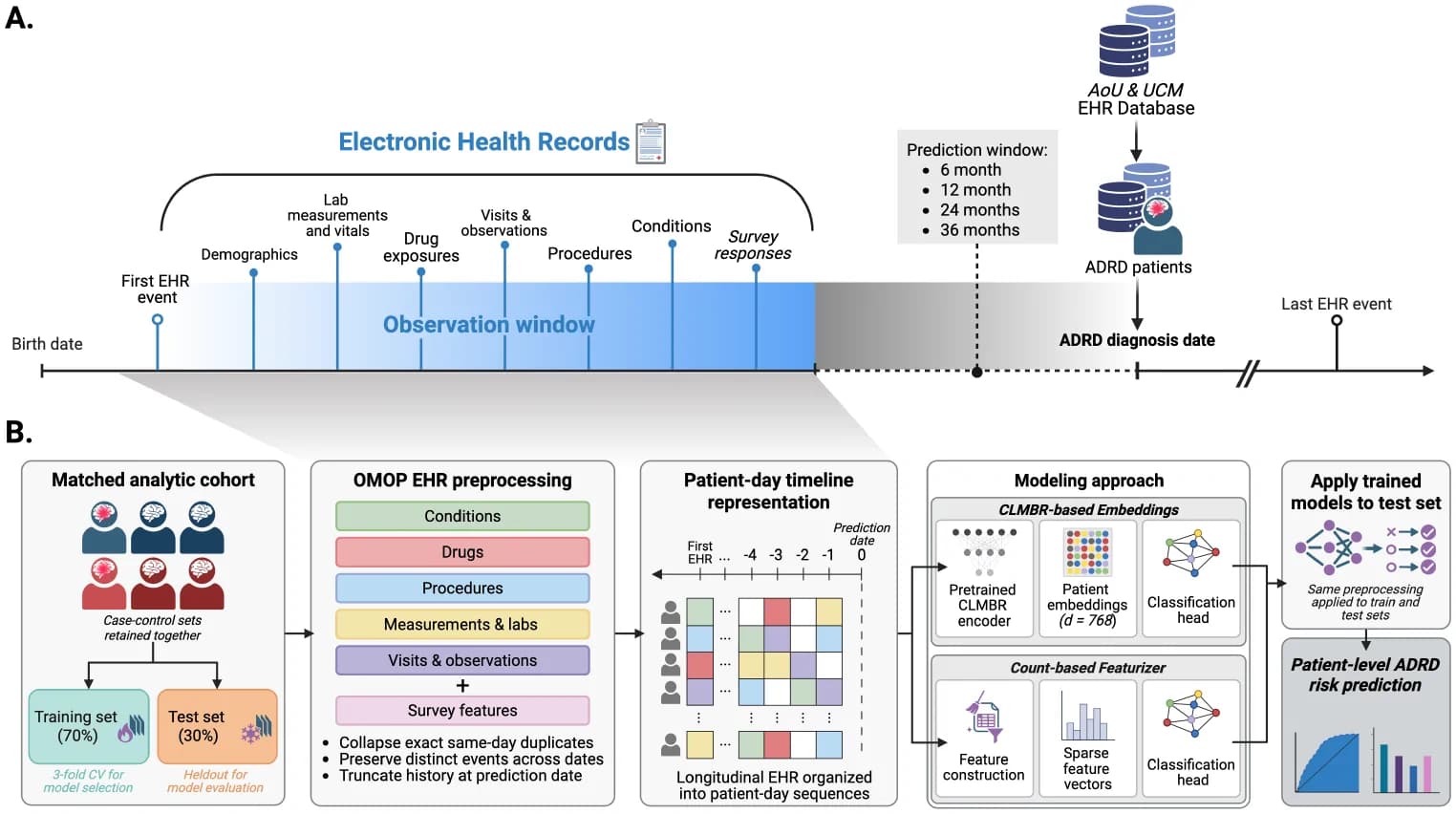
Models flag likely undiagnosed dementia in older adults

The model scored 0.85 for distinguishing cases without diagnostic codes from coded cases among older emergency department patients with probable dementia.The model scored 0.85 for distinguishing cases without diagnostic codes from coded cases among older emergency department patients with probable dementia.

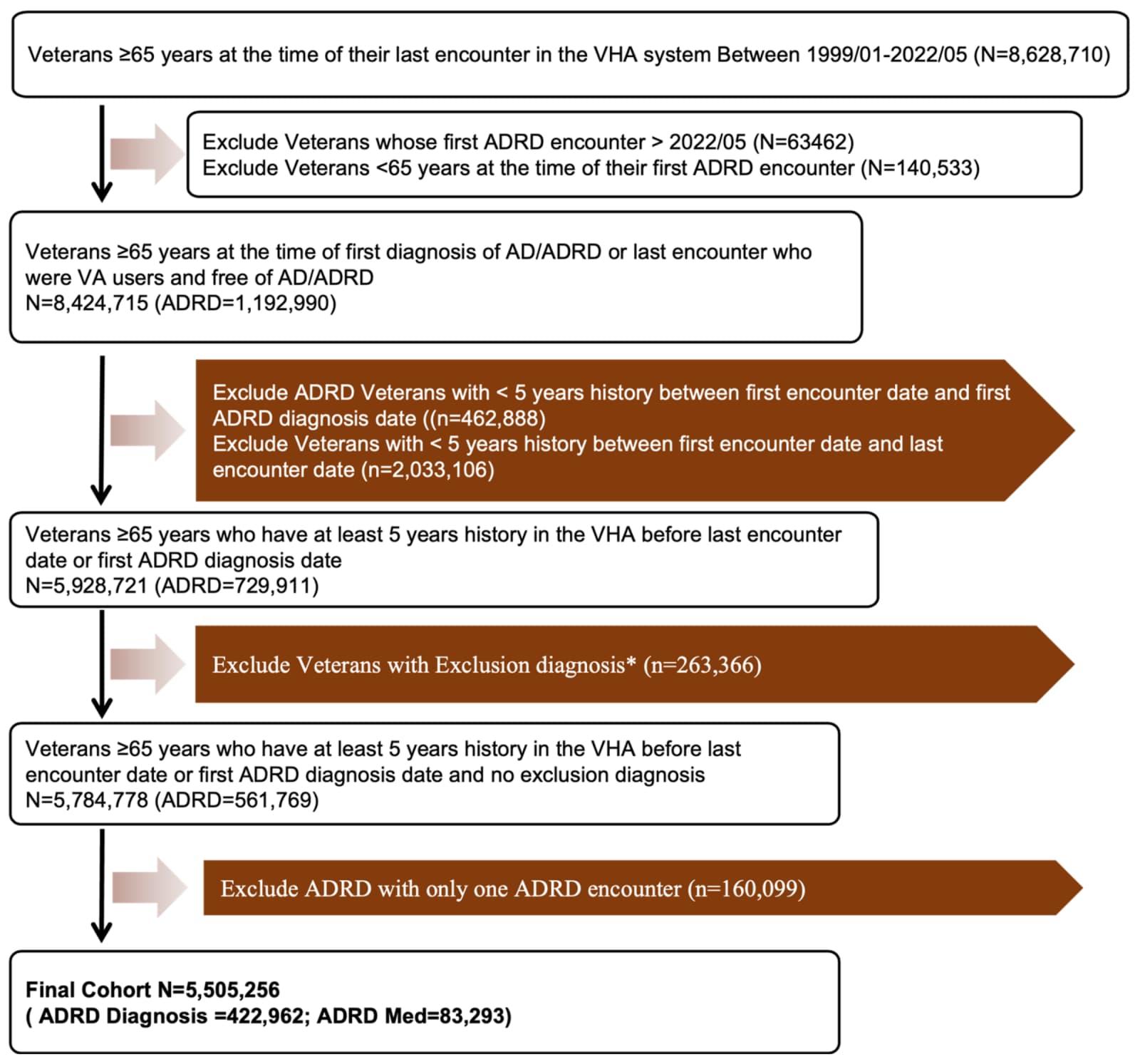
Unadjusted comparison of diagnosed and undiagnosed subgroup characteristics.

Monday, October 12

Friday, October 9

Thursday, October 8

medRxiv

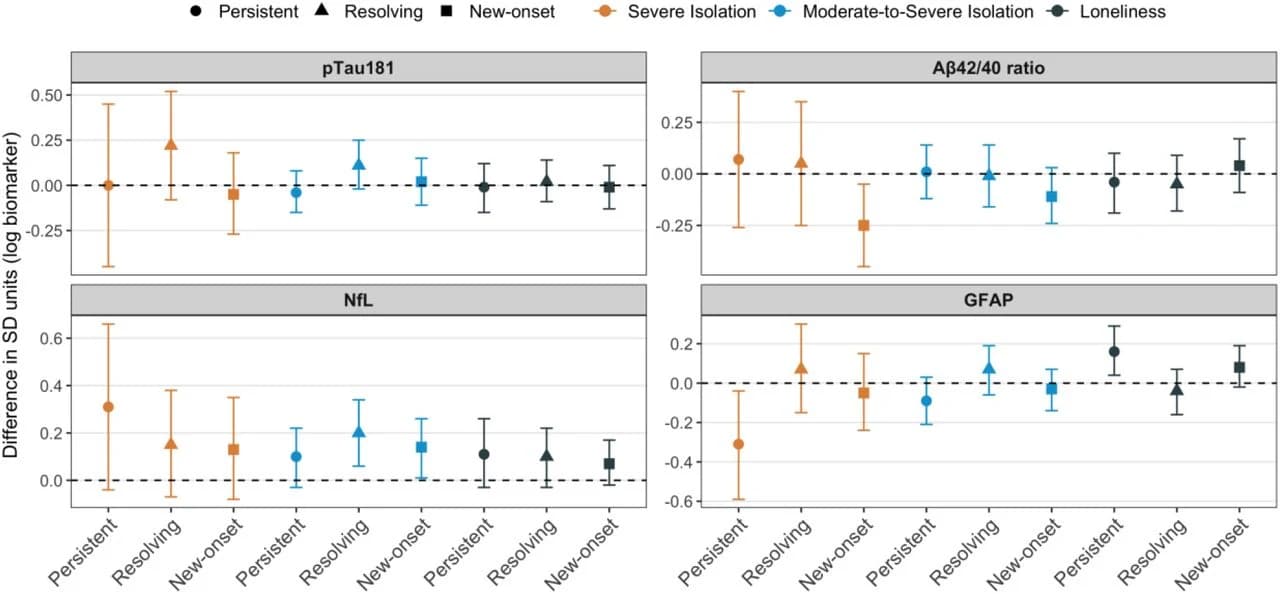
Social isolation linked to blood marker of nerve-cell injury

Persistent severe isolation was linked to higher levels of a blood marker of nerve-cell injury than no isolation, with a statistical association estimate of 0.31.Persistent severe isolation was linked to higher levels of a blood marker of nerve-cell injury than no isolation, with a statistical association estimate of 0.31.

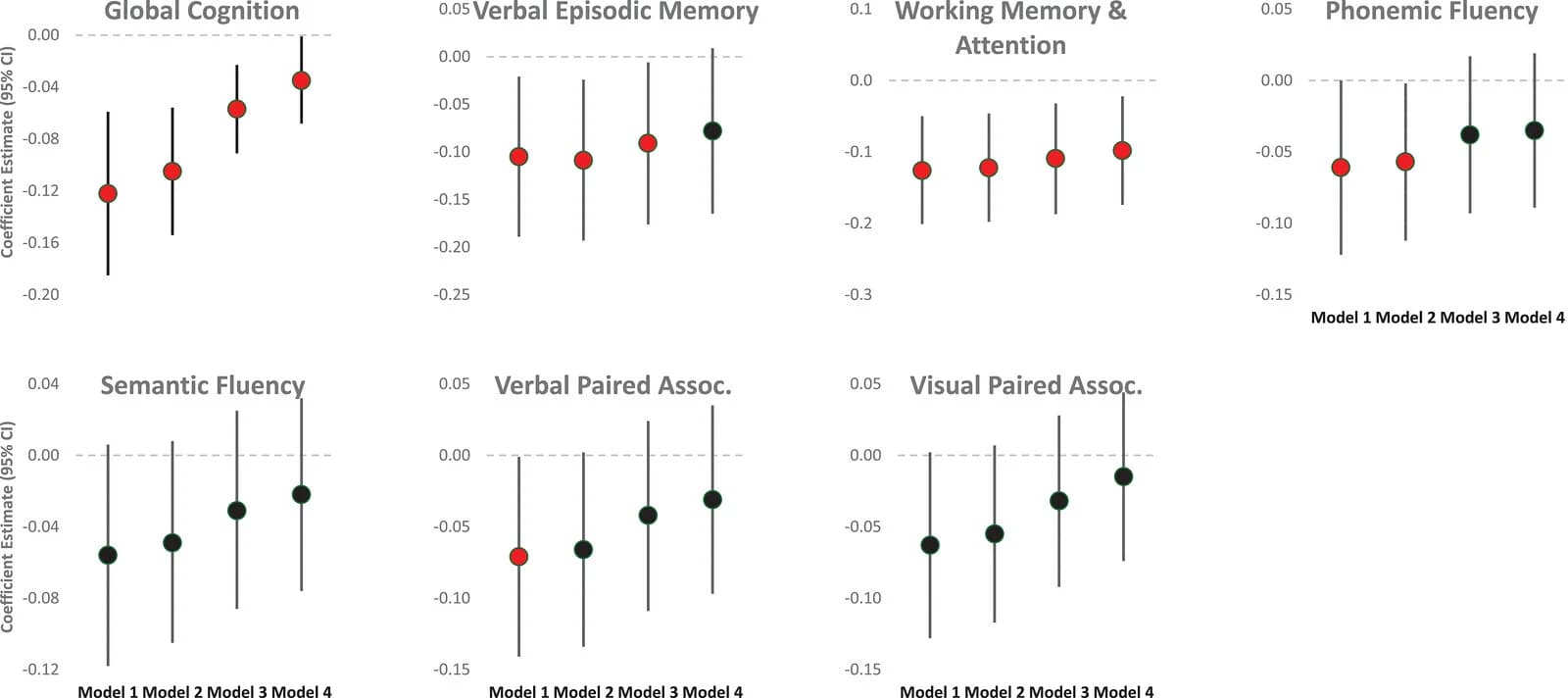
Associations between four-category multi-wave isolation and loneliness exposure variables and AD/ADRD biomarkers in the U.S.
Preprint: cohort study of 3,862 peoplePopulations

Friday, October 2

Wednesday, September 30

Tuesday, September 29

Thursday, September 24

Thursday, September 10

Tuesday, September 8

Sunday, September 6