Social isolation linked to blood marker of nerve-cell injury
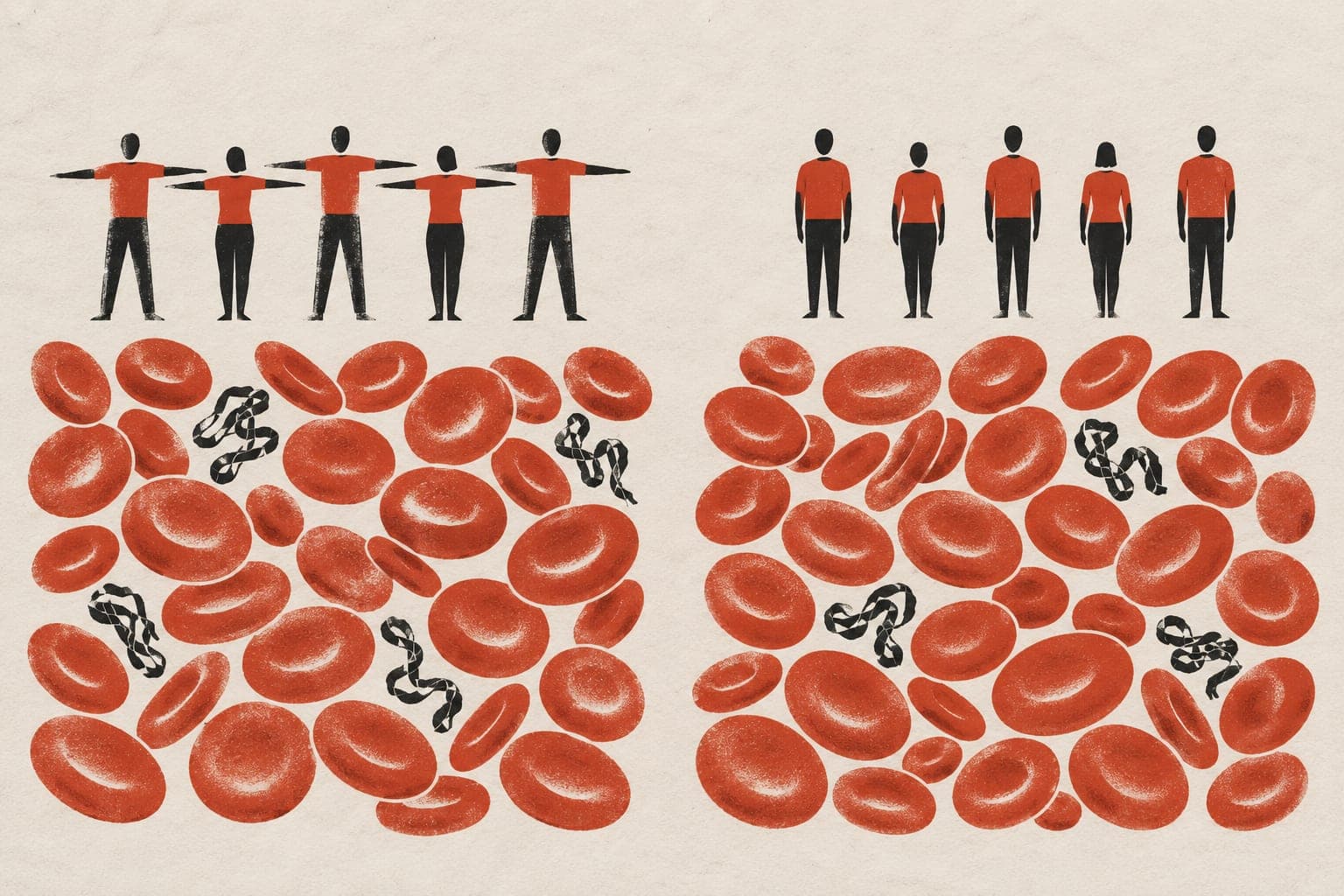
Persistent severe isolation was linked to higher levels of a blood marker of nerve-cell injury than no isolation, with a statistical association estimate of 0.31.
medRxiv
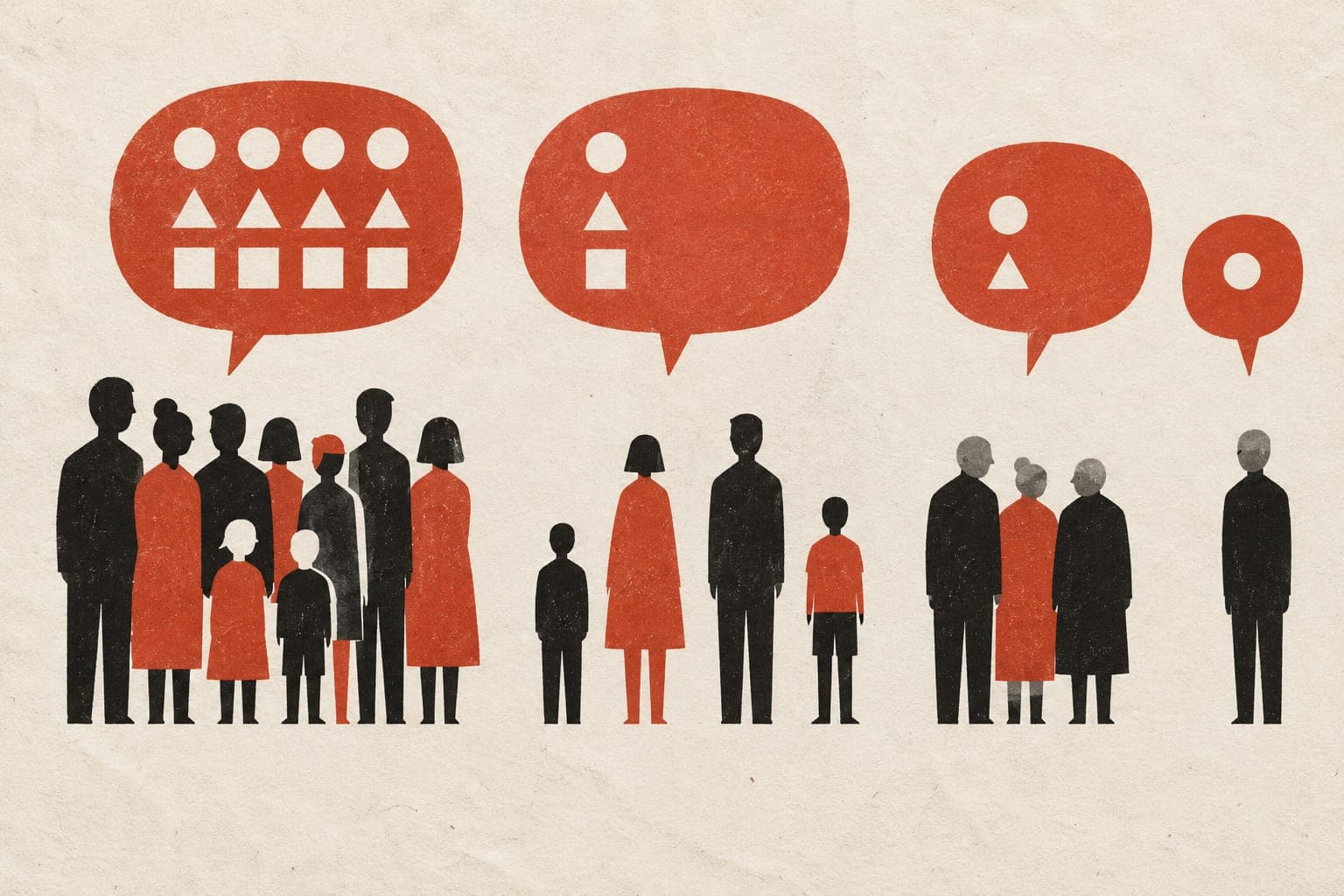
In an observational study, researchers analysed data from 3,862 community-dwelling US adults aged 50 or older. They assessed social isolation and loneliness in 2012 and 2014, then compared these patterns with blood markers in samples collected in 2016. Their analysis accounted for social, demographic and health factors.
Persistent severe isolation, new moderate-to-severe isolation and moderate-to-severe isolation that resolved were linked to higher levels of neurofilament light chain, a marker of nerve-cell injury. Links between isolation or loneliness and markers related to damage to brain support cells and Alzheimer’s disease were less consistent. These associations differed in direction and size according to patterns of isolation or loneliness and sex.
Why it matters
Social isolation and loneliness have been associated with dementia risk. Studying blood markers may help researchers investigate the biology behind those links.
Caveats
As an observational study, this work cannot show cause and effect, and it evaluated blood markers as proxies rather than clinical dementia. Loneliness was assessed with a single question, and the paper is a preprint.
The paper
Show 6 more authors
Anna M Pederson, Mary Thoma, Ruijia Chen, Ashwin Kotwal, Maria Glymour, Kaitlin Casaletto,medRxiv · 10 Aug 2026 · Preprint, not peer-reviewed