Air pollution changed brain immune cell activity in mice
A 20-week mouse experiment found that genetic background shaped how brain immune cells responded to fine-particle air pollution.
Our read
Mechanisms- Studied:
- Experiments in 5xFAD mice and wild-type littermates, 20 weeks, against mice breathing filtered air
- What changed:
- Pollution changed brain immune cells’ gene activity and DNA accessibility compared with filtered air, with responses depending on genetic background
- The catch:
- Mice inhaled concentrated pollution rather than ordinary ambient air
Editor of record: Boris Djordjevic · AgingResearch.News
5xFAD mice, which model Alzheimer’s-related amyloid protein buildup, and their littermates without those genetic changes breathed concentrated fine-particle pollution or filtered air for 20 weeks in an animal experiment. Pollution activated microglia, the brain’s immune cells, and disrupted the barrier between blood and brain. In 5xFAD mice, it also increased amyloid buildup. In isolated microglia, pollution changed gene activity and how readily DNA could be accessed. The size and direction of these changes depended on genetic background.
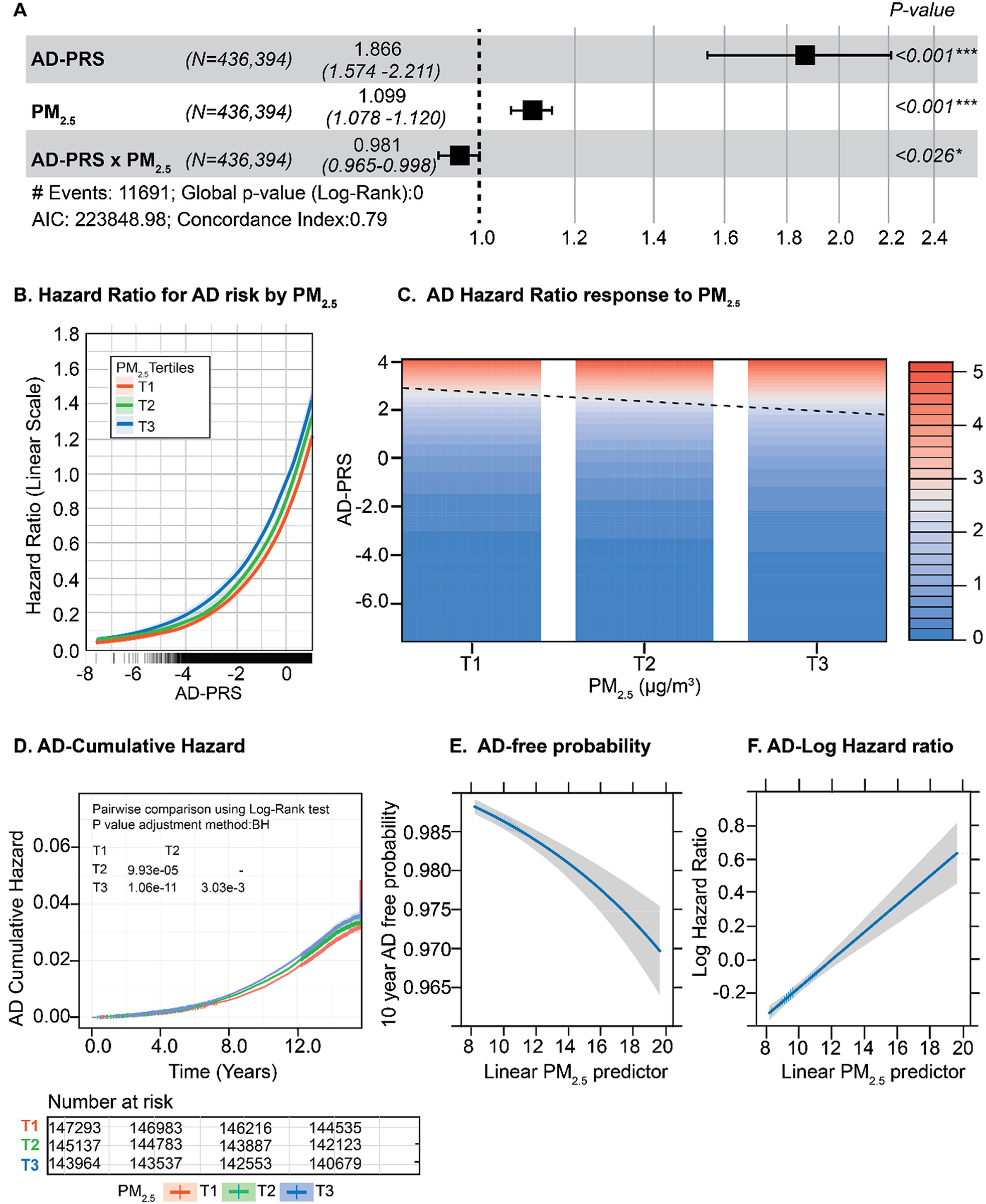
Separately, an analysis of 475,325 UK Biobank participants found that long-term fine-particle exposure and inherited Alzheimer’s risk were independently associated with higher risk of Alzheimer’s and related dementias. Their combined association was smaller than the simple product of their individual associations.
Why it matters
Air pollution is a modifiable exposure, making its interaction with inherited Alzheimer’s risk relevant to understanding environmental contributions to dementia.
Caveats
The brain-cell findings came from a mouse experiment, leaving open whether people’s brain immune cells respond similarly.
- Fine particulate matter air pollution
- APP
- PSEN1
- Alzheimer's disease
- Alzheimer's disease and related dementias
- Mice
The paper
Journal of Neuroinflammation, Nov 11, 2026, CC BY

Comments
Be the first to comment.