On a brain protein-deposit scale, the adjusted solanezumab–placebo difference was −8.74 Centiloids, versus −8.56 using available measurements.On a brain protein-deposit scale, the adjusted solanezumab–placebo difference was −8.74 Centiloids, versus −8.56 using available measurements.
Who was studied1,169 people with asymptomatic Alzheimer's disease, against placebo
What changedThe solanezumab–placebo difference in brain amyloid stayed similar after missing-data adjustment: −8.74 Centiloids versus −8.56 using available measurements
The catchMissing outcomes could hide worse thinking and dementia severity among solanezumab participants
An analysis of 583 placebo recipients found that cognitive tests showed no meaningful decline over 168 weeks, while clinician ratings worsened steadily.An analysis of 583 placebo recipients found that cognitive tests showed no meaningful decline over 168 weeks, while clinician ratings worsened steadily.
Among older adults with narrowed brain arteries, impaired versus preserved fluid clearance was linked to cognitive worsening, with hazard ratios of 1.35 to 2.96.Among older adults with narrowed brain arteries, impaired versus preserved fluid clearance was linked to cognitive worsening, with hazard ratios of 1.35 to 2.96.
Who was studied291 older adults, median 5.7 years, against adults with stenosis and high DTI-ALPS
What changedCognitive worsening was more likely with impaired versus preserved estimated fluid clearance in adults with narrowed brain arteries (hazard ratio 2.96)
The catchBrain atrophy can confound DTI-ALPS, the marker used to infer fluid clearance
Compared with DNA tests, blood protein measurements scored 0.977 in one cohort and 1.000 in three others for separating variant carriers from non-carriers.Compared with DNA tests, blood protein measurements scored 0.977 in one cohort and 1.000 in three others for separating variant carriers from non-carriers.
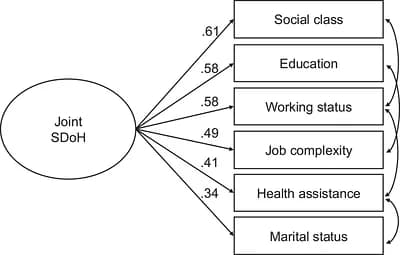
Alzheimer’s tissue changes were associated with 9.09-point higher dementia ratings in unfavorable social profiles, versus 6.39-point higher ratings in favorable profiles.Alzheimer’s tissue changes were associated with 9.09-point higher dementia ratings in unfavorable social profiles, versus 6.39-point higher ratings in favorable profiles.
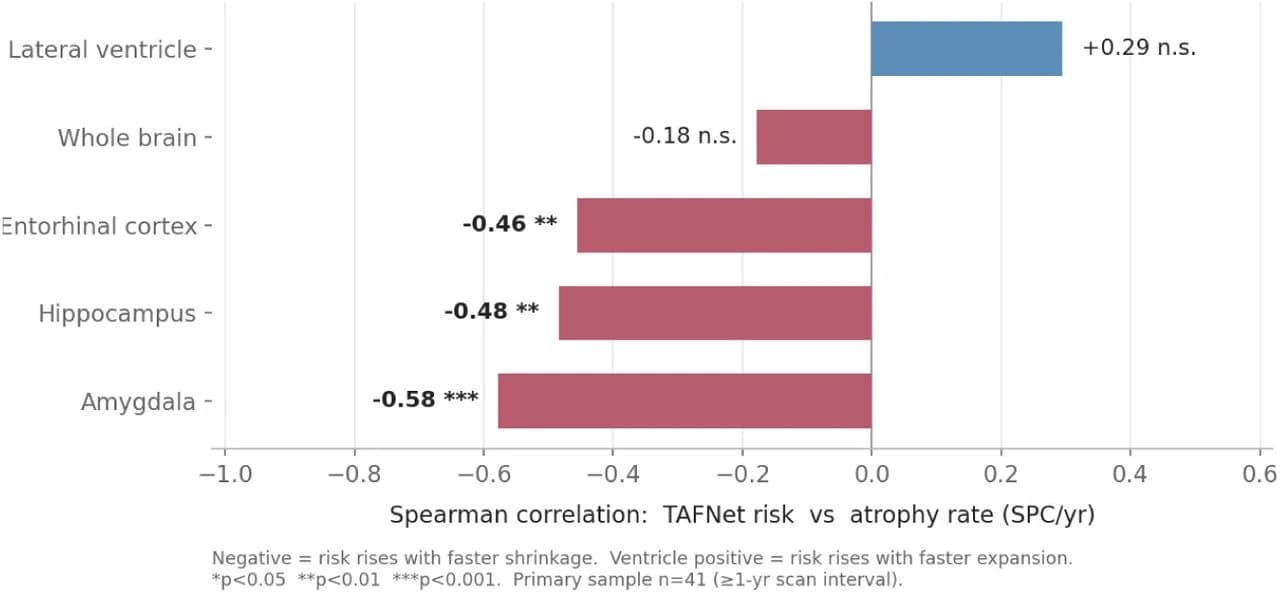
In 101 people with mild cognitive impairment, the model predicted conversion with an AUC of 0.72 and mirrored rates of brain atrophy and cognitive decline.In 101 people with mild cognitive impairment, the model predicted conversion with an AUC of 0.72 and mirrored rates of brain atrophy and cognitive decline.
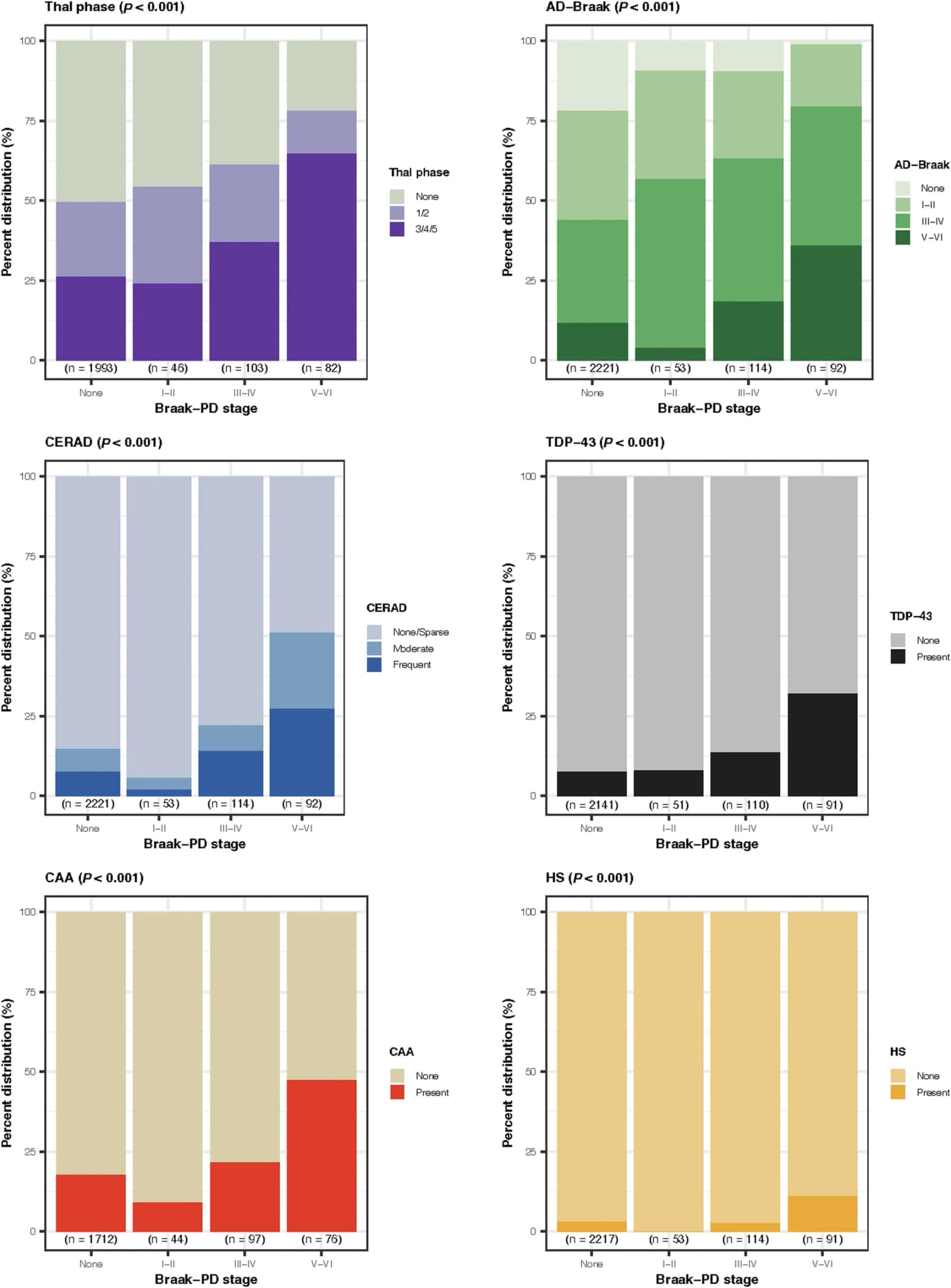
Lewy body disease prevalence rose from 0.7% in individuals younger than 50 to 20.0% in those aged 90 and older across 2,480 autopsied human brains.Lewy body disease prevalence rose from 0.7% in individuals younger than 50 to 20.0% in those aged 90 and older across 2,480 autopsied human brains.
Among cognitively normal controls, average age-estimation error was 3.95 years with the combined model, versus 4.10 years using structural scans alone.Among cognitively normal controls, average age-estimation error was 3.95 years with the combined model, versus 4.10 years using structural scans alone.