Alzheimer’s tissue changes had varying links to thinking ability
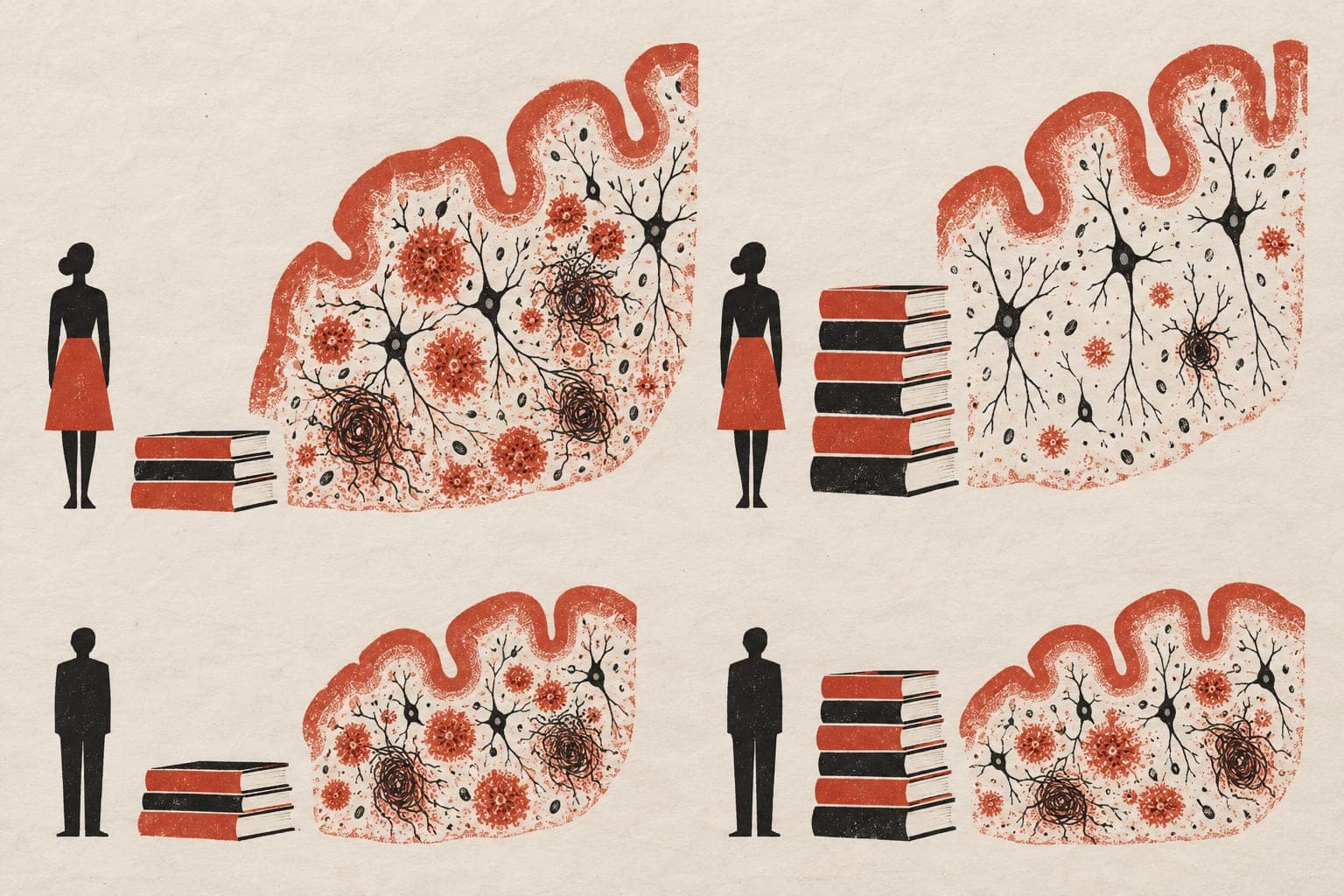
Alzheimer’s tissue changes were associated with 9.09-point higher dementia ratings in unfavourable social profiles, versus 6.39-point higher ratings in favourable profiles.
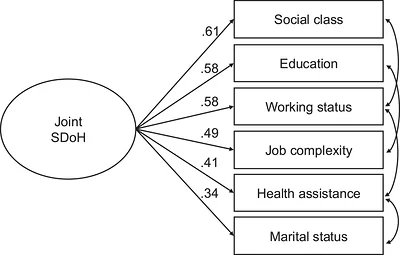
In an observational study of 1,193 people with an average age of 73.4 years, researchers examined links between social conditions, Alzheimer’s disease-related tissue changes and cognitive abilities. They used Biobank for Aging Studies data, genetic testing, tissue staining and the Clinical Dementia Rating–Sum of Boxes, a scale used to assess cognition.
The association between Alzheimer’s tissue changes and poorer cognition was stronger in people with unfavourable social profiles than in those with favourable profiles. People carrying APOE-ε4, a version of a gene linked to Alzheimer’s risk, had higher odds of these tissue changes. That association did not differ by social profile. The researchers found no evidence that the associations differed by race.
Why it matters
Social conditions may offer targets for Alzheimer’s prevention, as the researchers concluded.
Caveats
The observational design cannot determine cause and effect. It does not show that changing social conditions would prevent Alzheimer’s disease.
From the paper
- Result
… APOE-ε4 carriers had higher odds of AD pathology (odds ratio [OR]: 3.95, 95% confidence interval [CI]: 2.85; 5.51; p < 0.001), and AD pathology was associated with poorer cognition (β = 8.07, 95% CI: 7.47; 8.67; p < 0.001).
Quoted word for word from the full text on alz-journals.onlinelibrary.wiley.com.
The paper
Division of Geriatrics University of São Paulo Medical School São Paulo São Paulo Brazil
Alzheimer's & Dementia, 9 Oct 2026