Brain and blood markers link APOE4 to dementia risk
In thousands of UK Biobank participants, brain changes and blood proteins mediated the genetic risk connecting the APOE4 gene variant to dementia.
267,627 participants, dose-response
Limit: All participants came from the UK Biobank
Edited by Boris Djordjevic · AgingResearch.News
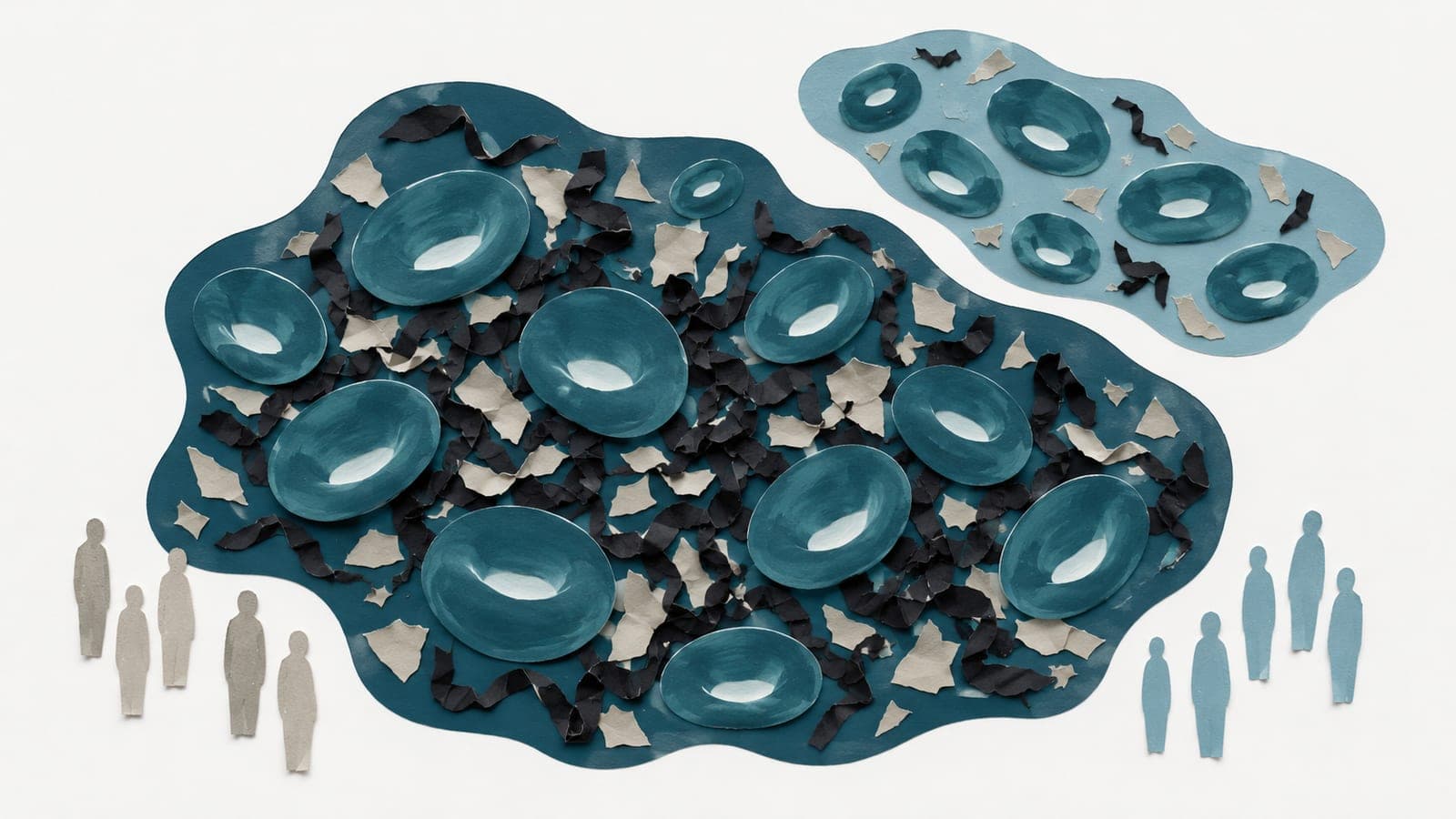
In an observational study using UK Biobank participants, researchers analyzed brain imaging from 58,876 people, blood proteins from 51,623 people, and blood metabolites from 267,627 people. Carrying the APOE4 gene variant was linked to a higher risk of all-cause dementia, Alzheimer's disease, and vascular dementia, with higher risks in people with two copies than in those with one.
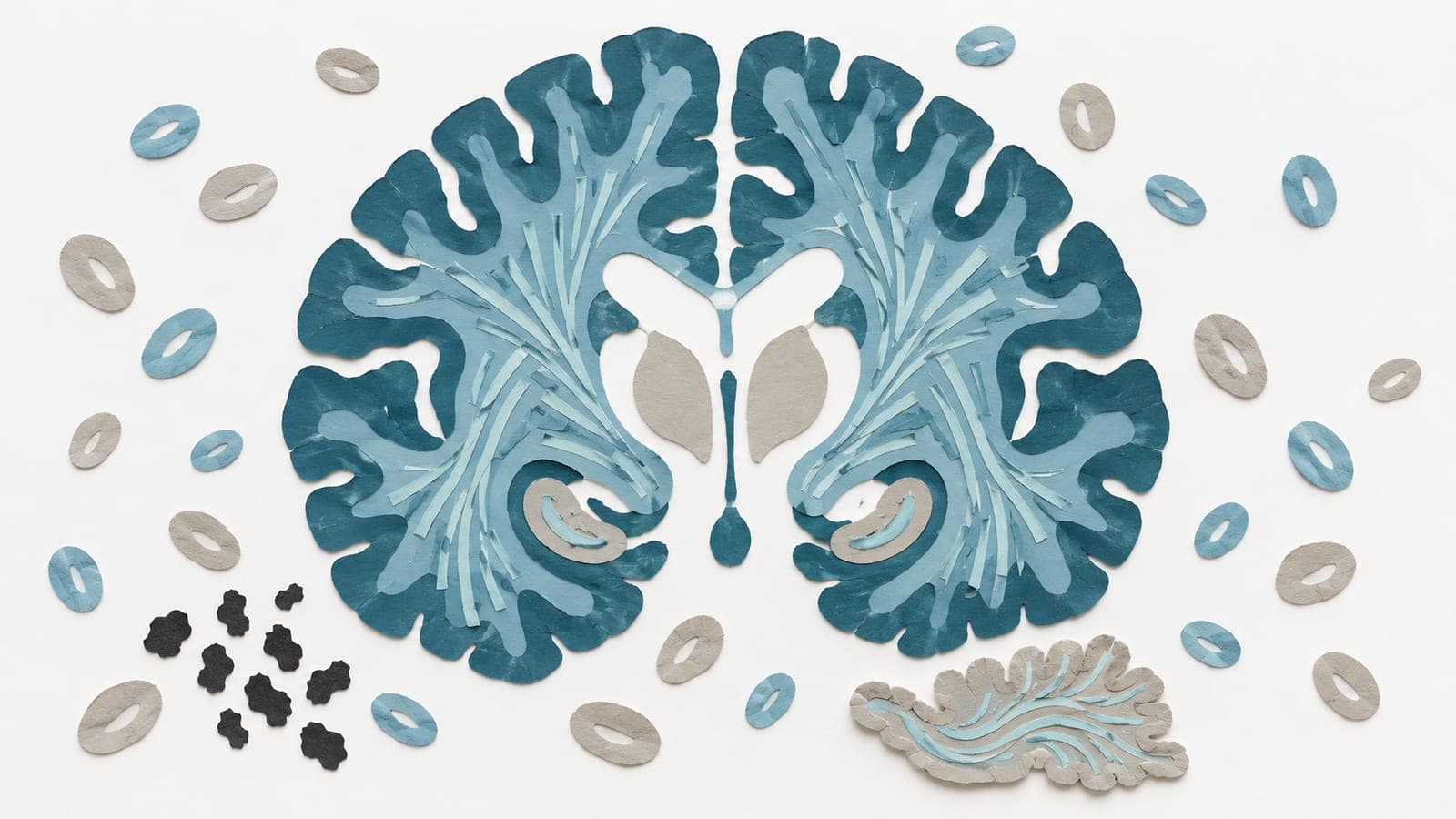
Statistical mediation analysis revealed that shrinkage in the hippocampus and left thalamus mediated risk for all-cause dementia and Alzheimer's disease, but not vascular dementia. In contrast, widespread breakdown of white matter mediated risk across all three conditions. In blood samples, the protein GFAP acted as a shared mediator for all three dementia types, while separate protein and metabolite patterns mediated risk for Alzheimer's disease and vascular dementia individually.
Why it matters
The APOE4 variant is the strongest common genetic risk factor for late-onset dementia. Mapping the brain and blood pathways that connect this gene to cognitive decline may help pinpoint how aging tissues become vulnerable to distinct dementia subtypes.
Caveats
This work is a preprint that has not yet been peer-reviewed. The findings come from an observational cohort, and statistical mediation models suggest potential pathways rather than proving that these changes directly cause dementia.
The paper
Multimodal mediators connecting APOE4 to dementia
The Second Affiliated Hospital of Hainan Medical University
Research Square, Oct 21, 2026, Open access, Preprint, not peer-reviewed