Silencing LCN2 eases postoperative cognitive deficits in mice
AAV-mediated knockdown of LCN2 in aged mice limited microglial inflammation, reduced neuronal pyroptosis, and rescued memory following surgery.
Research Square
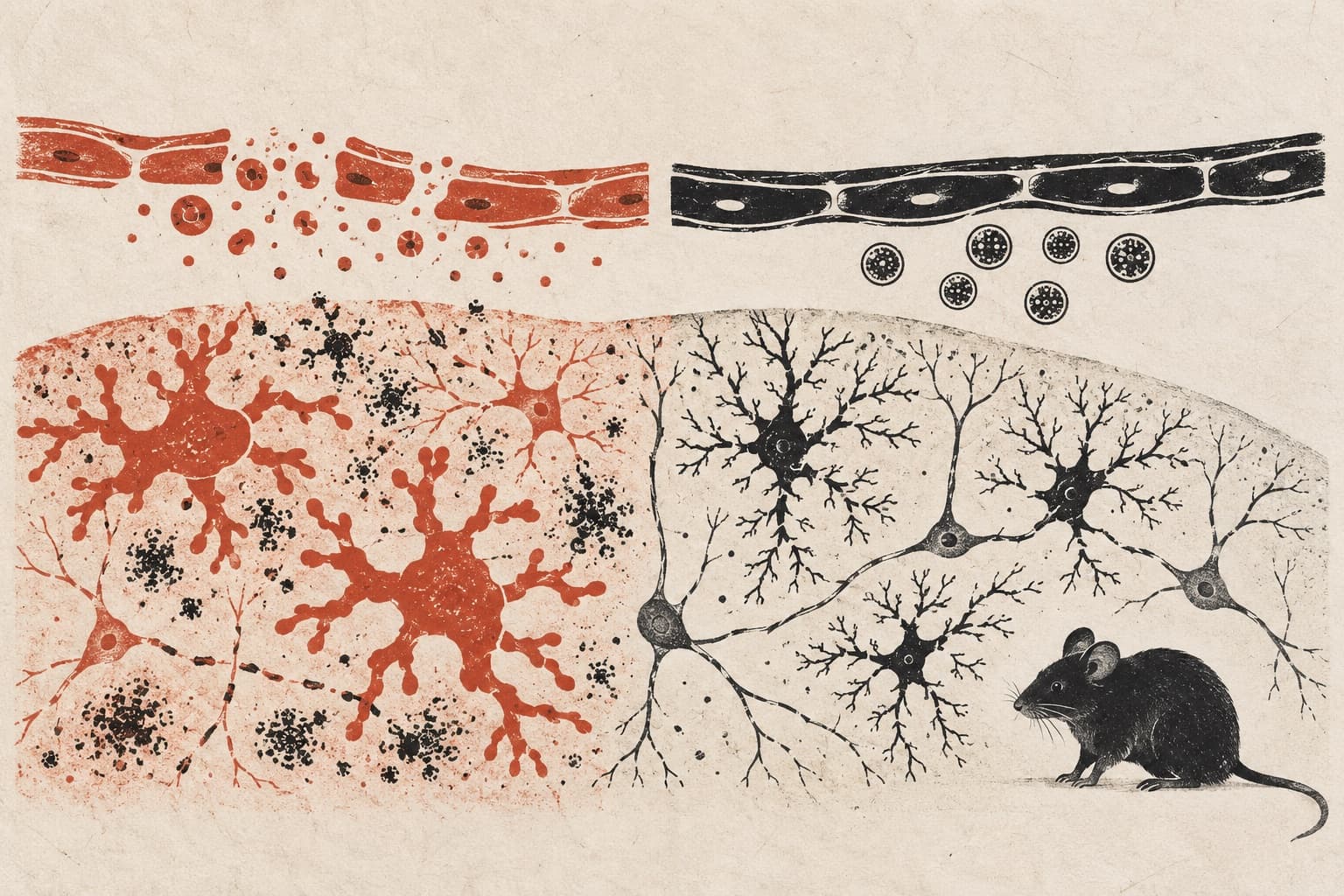
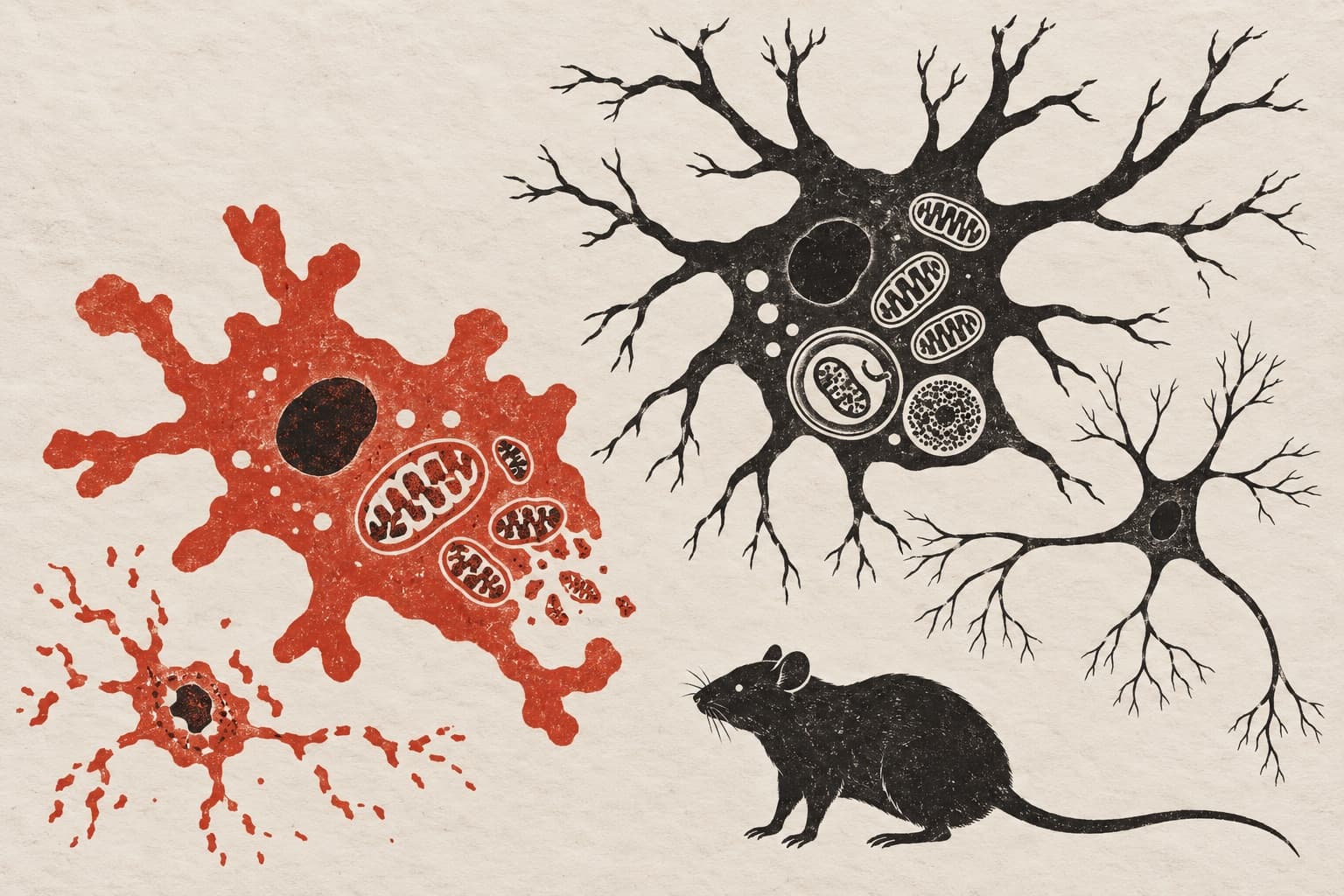
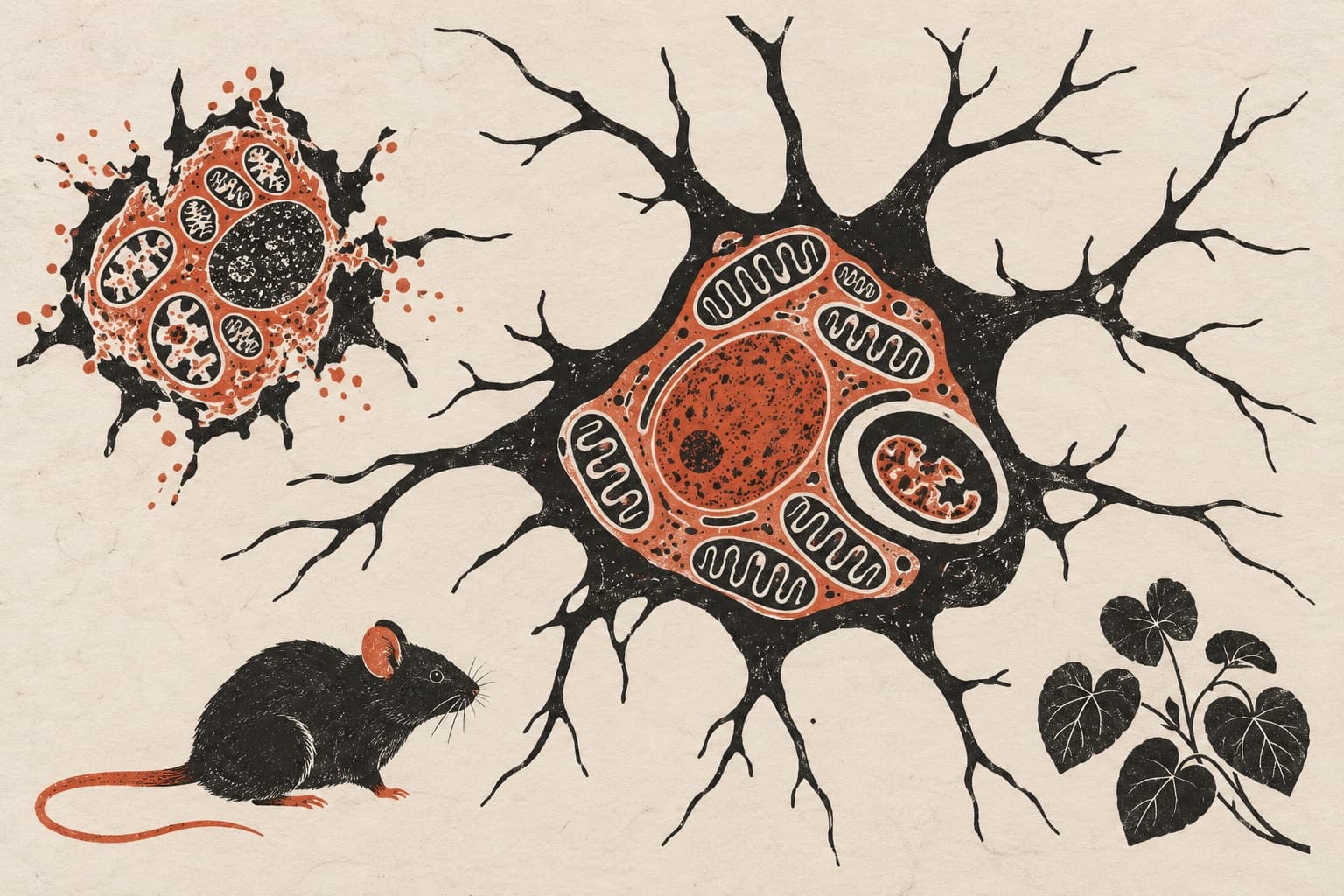
In aged C57BL/6J mice, surgical stress from a unilateral nephrectomy triggered cognitive impairment alongside elevated hippocampal TLR3, LCN2, and pro-inflammatory M1 microglial polarization. In a preprint on Research Square, researchers reported that using an adeno-associated virus to knock down LCN2 attenuated M1 polarization, reduced neuronal pyroptosis, and rescued cognitive deficits in the aged mice during novel object recognition and Y-maze testing. Additional cell experiments in BV2 microglia and HT-22 neurons showed that TLR3 activation drove LCN2 expression, which spurred intracellular iron accumulation and reactive oxygen species. Treating cells with the iron chelator deferoxamine suppressed this M1 polarization, while M1 microglia promoted GSDMD-dependent neuronal pyroptosis.
Why it matters
Postoperative cognitive dysfunction disproportionately affects older adults following surgical stress. Clarifying how iron accumulation and neuroinflammation drive neuronal damage highlights potential targets to protect brain function in aging surgical patients.
Caveats
This study is a preprint that has not yet been peer-reviewed. The findings are based on mice and cultured cells, so whether the mechanism and intervention apply to human patients remains unproven.
The paper
Fuzhou University
Research Square · 1 Oct 2026 · Preprint, not peer-reviewed