Exercise prevents doxorubicin-induced cardiac senescence in mice
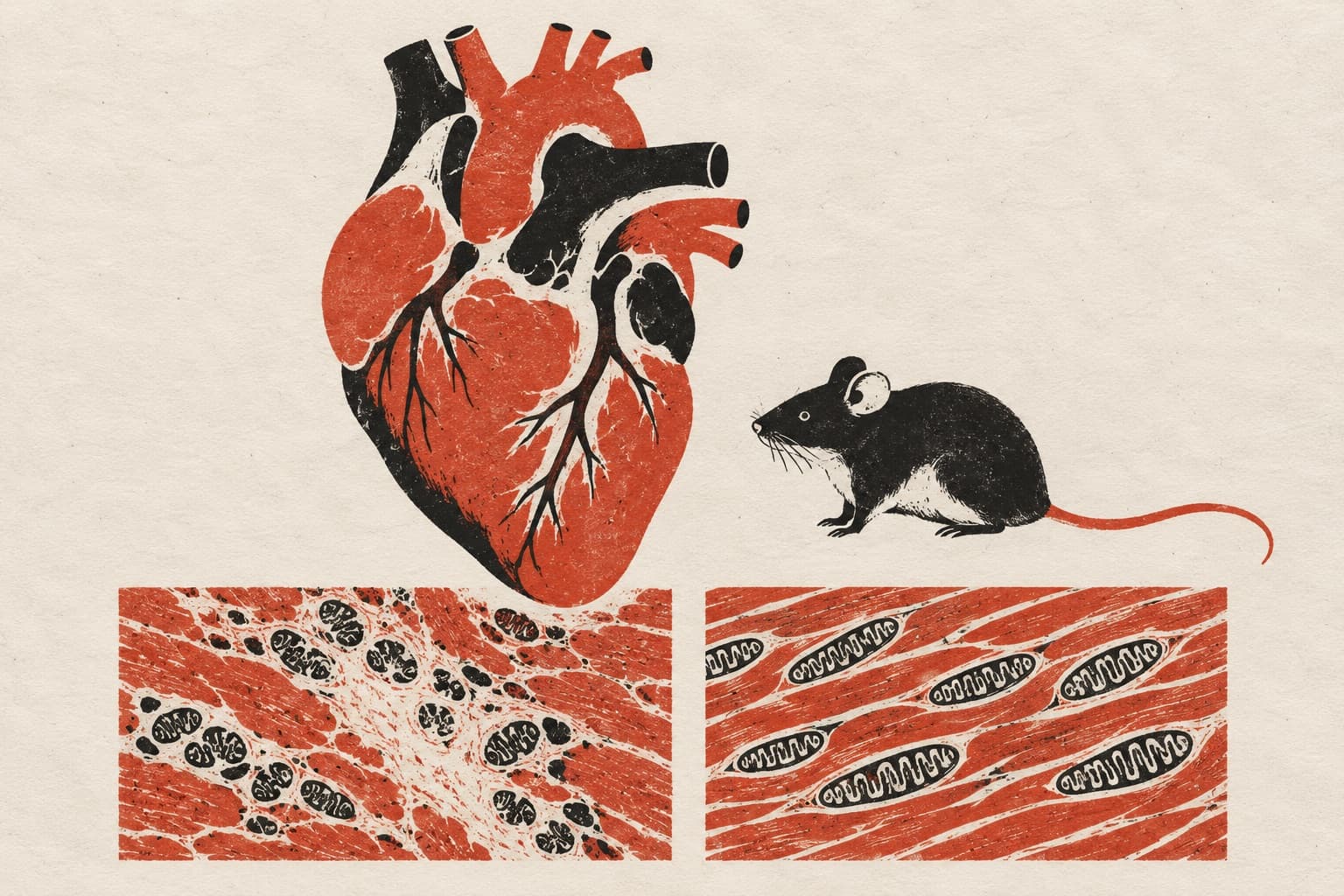
In transgenic mice, exercise prevented doxorubicin-induced cardiotoxicity and senescence while maintaining cardiac FNDC5 levels, with irisin blunting senescence in cultured human cells.
Research Square
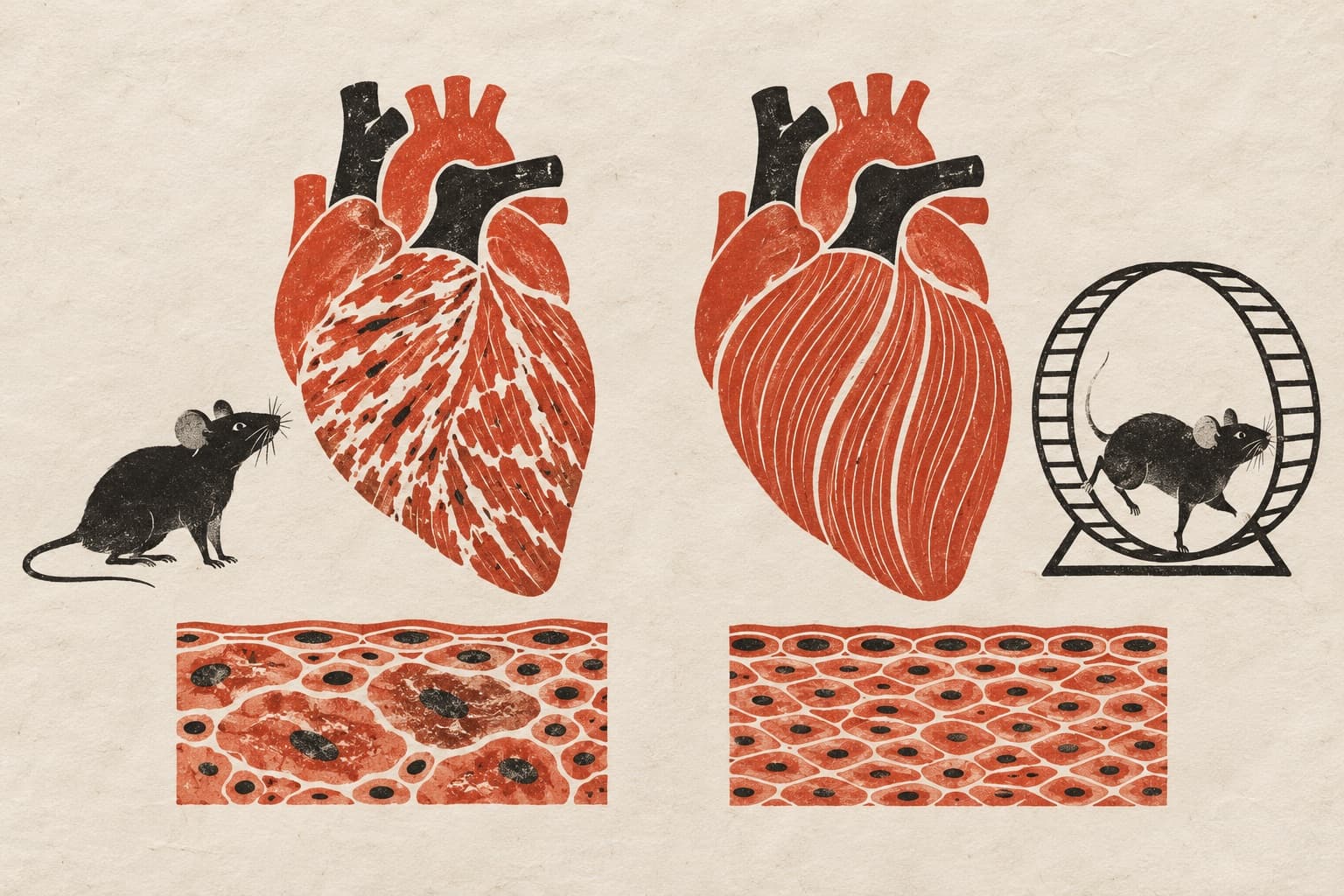
In a preprint using p16-3MR transgenic mice, researchers evaluated the effect of exercise on doxorubicin-induced cardiac senescence. Mice treated with the chemotherapy drug doxorubicin showed reduced cardiac function, endothelial cell senescence, and more p16INK4a-positive and beta-galactosidase-positive senescent cells in the heart. These mice also showed decreased HMGB1, calreticulin, and TUJ1 expression, alongside increased Semaphorin3A and p-cofilin expression, impaired F-actin depolarization, and cytoskeleton disorganization. None of these changes occurred in mice given exercise alongside doxorubicin. Exercise sustained cardiac levels of FNDC5, suggesting a link to the FNDC5/irisin pathway. In cultured human cardiomyocytes and endothelial cells, irisin treatment attenuated doxorubicin-induced senescence.
Why it matters
Cardiovascular cellular senescence is a major contributor to chemotherapy-induced heart toxicity. The results suggest that physical activity and exercise-linked irisin signaling may offer a therapeutic route to protect cardiac tissues against therapy-driven cellular aging.
Caveats
The primary findings rely on transgenic mice and in vitro cell cultures rather than human clinical trials. Additionally, this work is a preprint that has not yet completed peer review.
The paper
The University of Texas MD Anderson Cancer Center
Research Square · 29 Sep 2026 · Preprint, not peer-reviewed