Obesity, insulin resistance, and type 2 diabetes as determinants of bone mineral density in pre- and postmenopausal women: A systematic review
Abstract
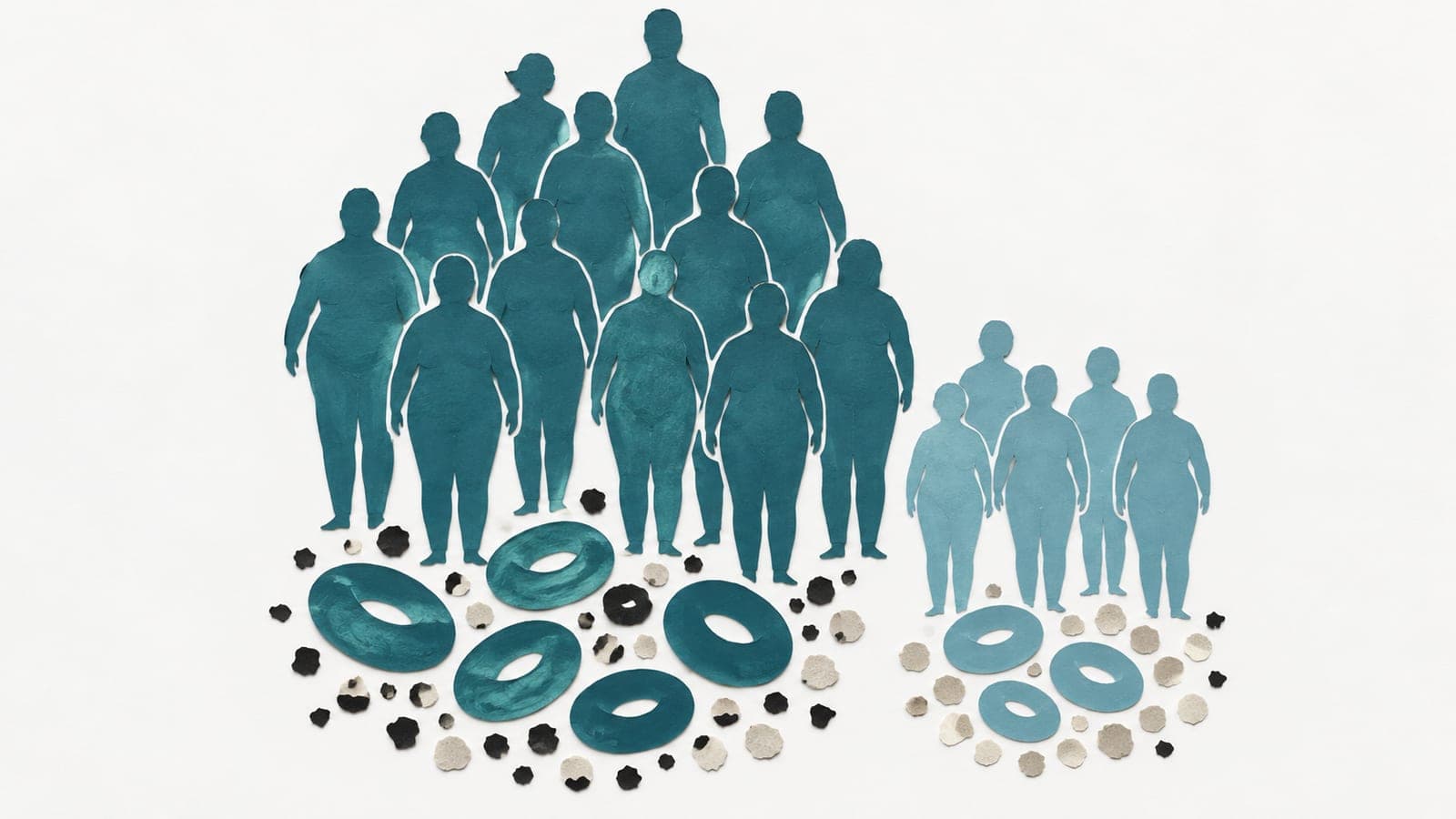
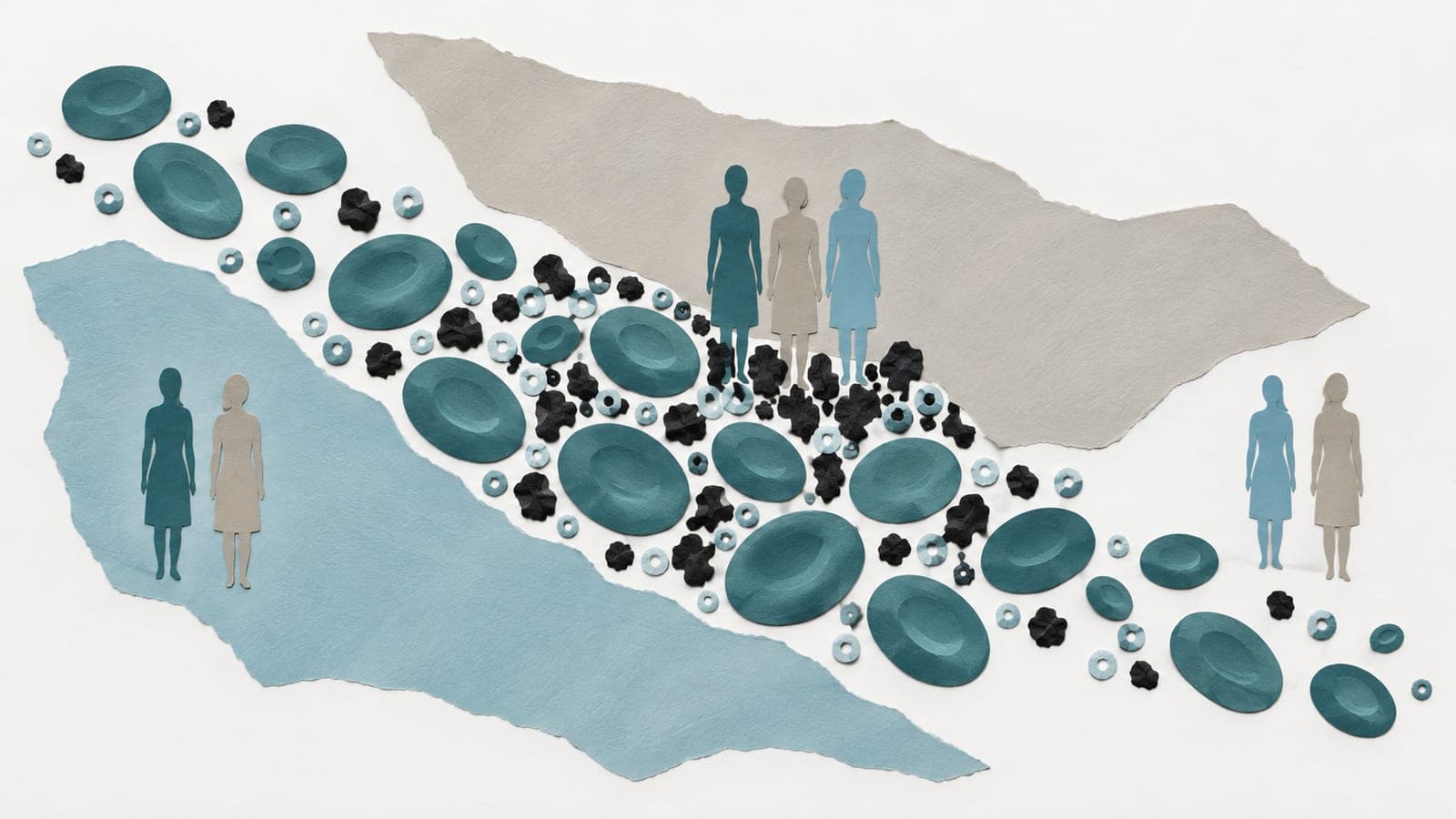
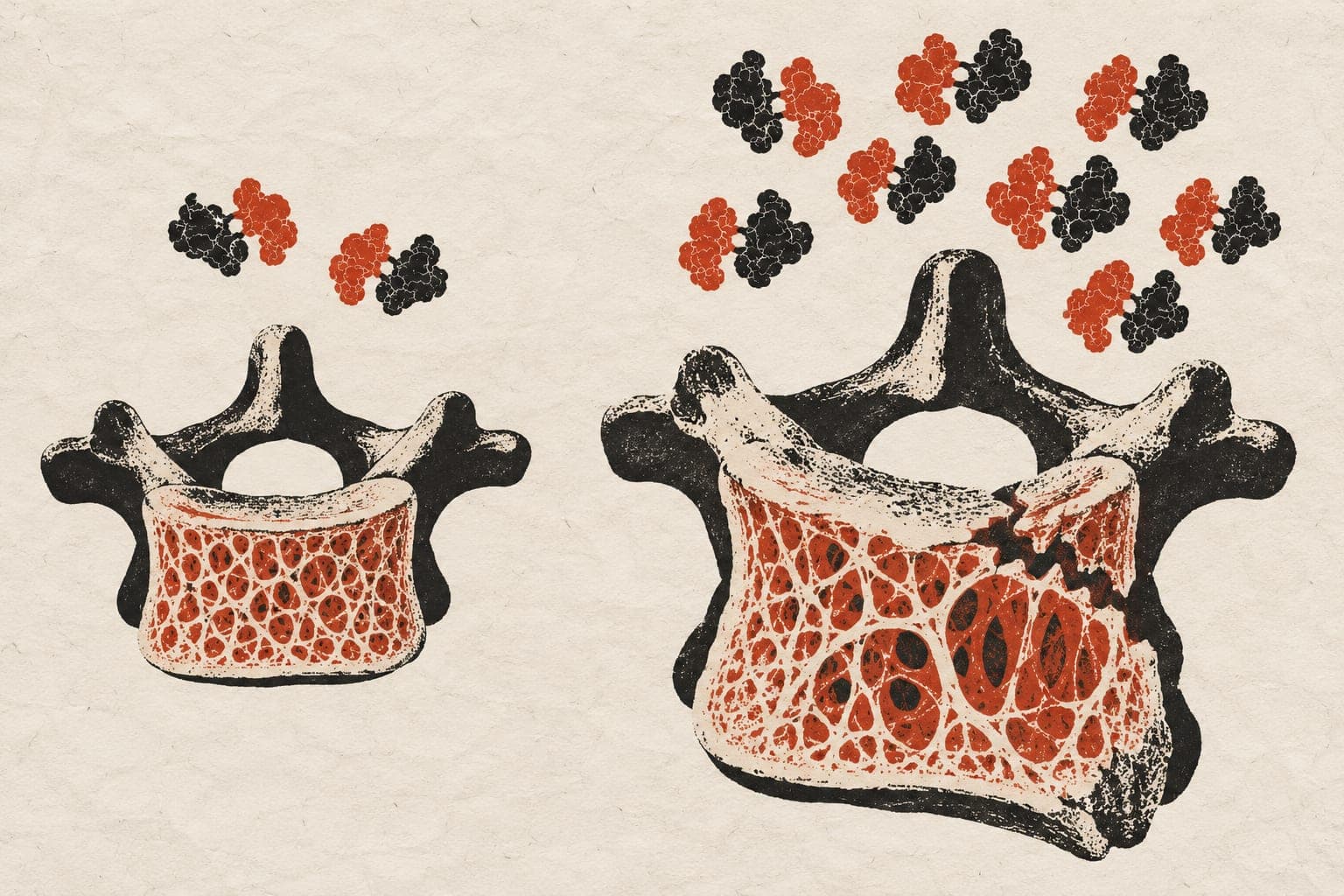
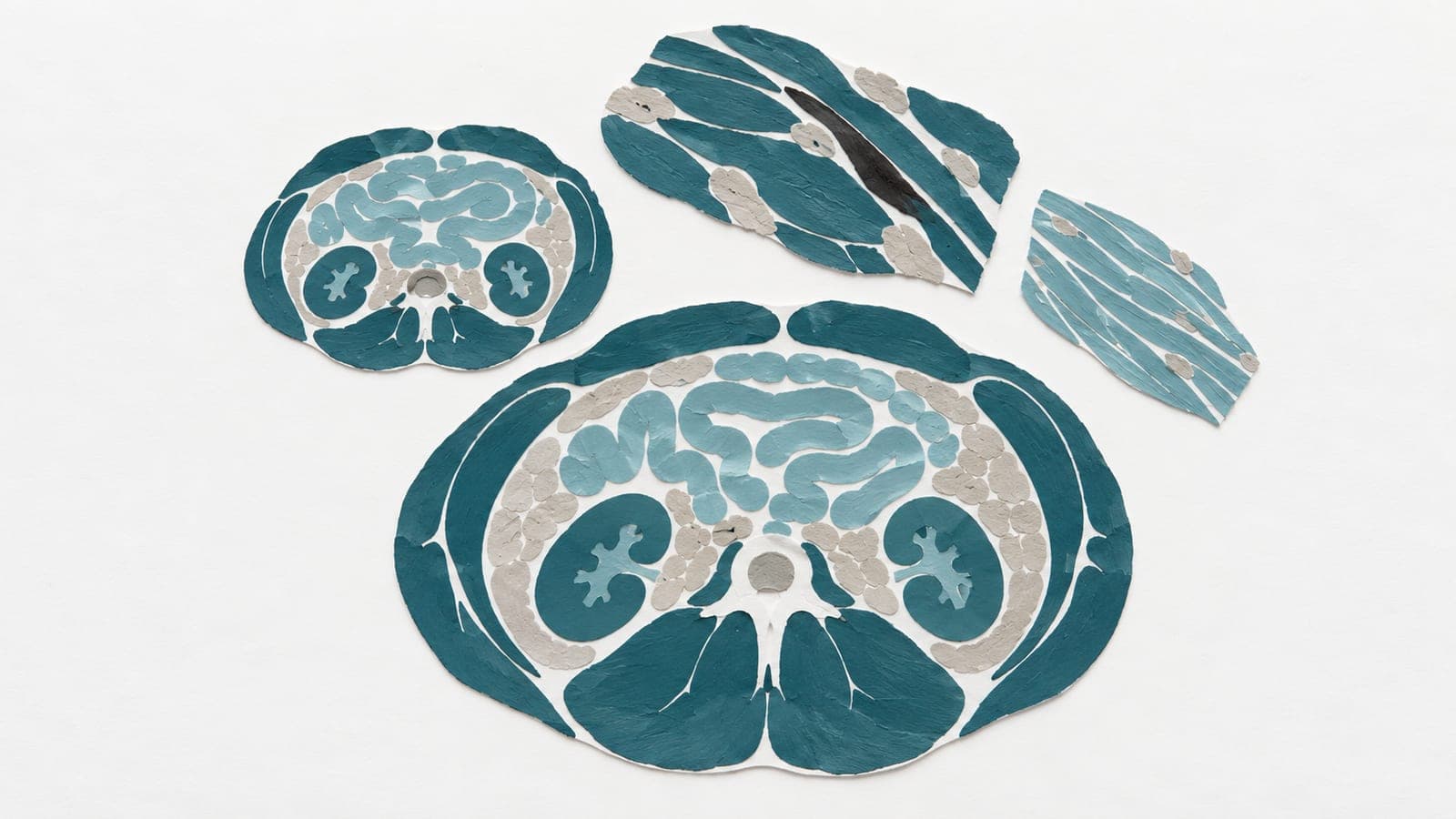
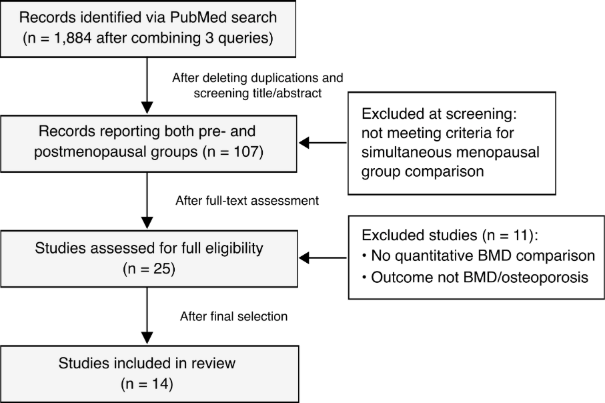
Background. Osteoporosis represents a major global health burden, particularly affecting women. While estrogen deficiency following menopause is the classical driver of bone loss, metabolic factors including obesity, insulin resistance, and type 2 diabetes mellitus (T2DM) are increasingly recognized as modulators of bone mineral density (BMD). Whether these metabolic factors exert distinct effects in premenopausal versus postmenopausal women remains incompletely characterized. Methods. We conducted a systematic PubMed search (2016–2026) for papers representing original studies that: (a) analyzed women with at least one of obesity, insulin resistance, or T2DM; (b) assessed BMD, osteoporosis, or fracture risk as an outcome; and (c) simultaneously included both pre- and postmenopausal women as distinct subgroups or compared results across menopausal status. Results. From 107 papers that mentioned both menopausal groups, we identified 14 original studies meeting all inclusion criteria and providing sufficient quantitative data. These studies gathered approximately 1,5 million women, including database records, with premenopausal and postmenopausal women split almost equally. The key determinants of low BMD and the character of the association between BMD and osteoporosis markers differed substantially between the menopausal groups. In premenopausal women, visceral adipose tissue, body fat percentage, and elevated HOMA-IR, and central obesity (waist circumference) emerged as the dominant predictors of low BMD. In postmenopausal women, lean body mass loss (sarcopenia), subcutaneous adipose tissue distribution, metabolic syndrome components (particularly hyperglycemia and insulin resistance in the context of obesity), sclerostin levels, and adipokine dysregulation (leptin, adiponectin) were the principal determinants. Conclusions. The relationship between metabolic disorders and BMD is strongly modified by menopausal status. Visceral adiposity is the key bone-detrimental factor in premenopausal women, whereas sarcopenic obesity and adipokine imbalance drive bone loss in postmenopausal women. These findings have important implications for sex- and menopausal-status-specific strategies for osteoporosis prevention and treatment.
- Insulin/IGF-1 signalling
- Lipid and ceramide metabolism
- Obesity
- Type 2 diabetes
- Bone mineral density
- Humans
The paper
Institute of Cytology
Research Square, 12 Aug 2026, Preprint, not peer-reviewed