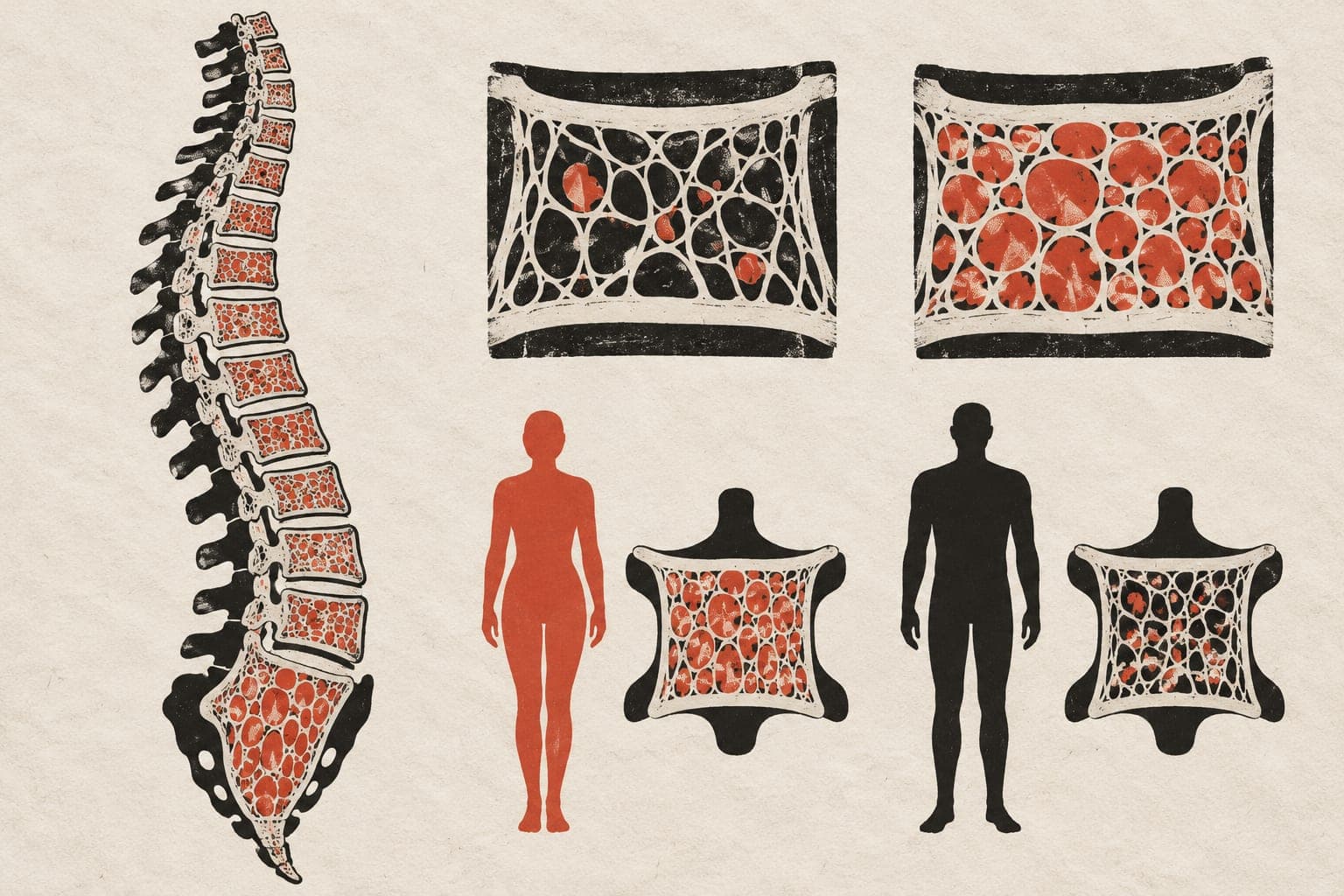
Fat-free mass links to metabolic health varied with deep belly fat
A cross-sectional analysis of 59,269 UK Biobank participants found different metabolic associations depending on how fat-free mass was measured and fat around organs.
The Journal of Clinical Endocrinology and Metabolism
In an observational, cross-sectional study of 59,269 UK Biobank participants, researchers examined fat-free mass—the body's mass excluding fat—and metabolic health. Participants had body composition measured with X-ray and magnetic resonance scans. Researchers assessed metabolic syndrome, a cluster of conditions that raises diabetes and heart disease risk, and elevated glycated haemoglobin, a measure of longer-term blood sugar.
Both outcomes were more common at higher total and height-adjusted fat-free mass. They were less common when fat-free mass formed a larger share of body weight. These associations varied most with fat around internal organs. Fat within muscle also modified some links, but accounting for fat around organs weakened some effects. Sex hormones had modest effects that varied by fat-free mass measure.
Why it matters
Metabolic syndrome is relevant to healthy aging through its links to diabetes and heart disease risk. The study questions how reliably fat-free mass can stand in for muscle when assessing metabolic health.
Caveats
The cross-sectional analysis cannot establish cause and effect or show how these relationships change as people age. Fat-free mass is not a direct measure of skeletal muscle.
The paper
Louisiana State University System
The Journal of Clinical Endocrinology and Metabolism · 8 Oct 2026