Nutrient deficits linked to higher metabolic risks in obesity
Compared to patients without nutritional deficiencies, vitamin D and B12 deficits carried median hazard ratios of 3.09 and 2.49 for metabolic diseases in obesity.
Nutrients
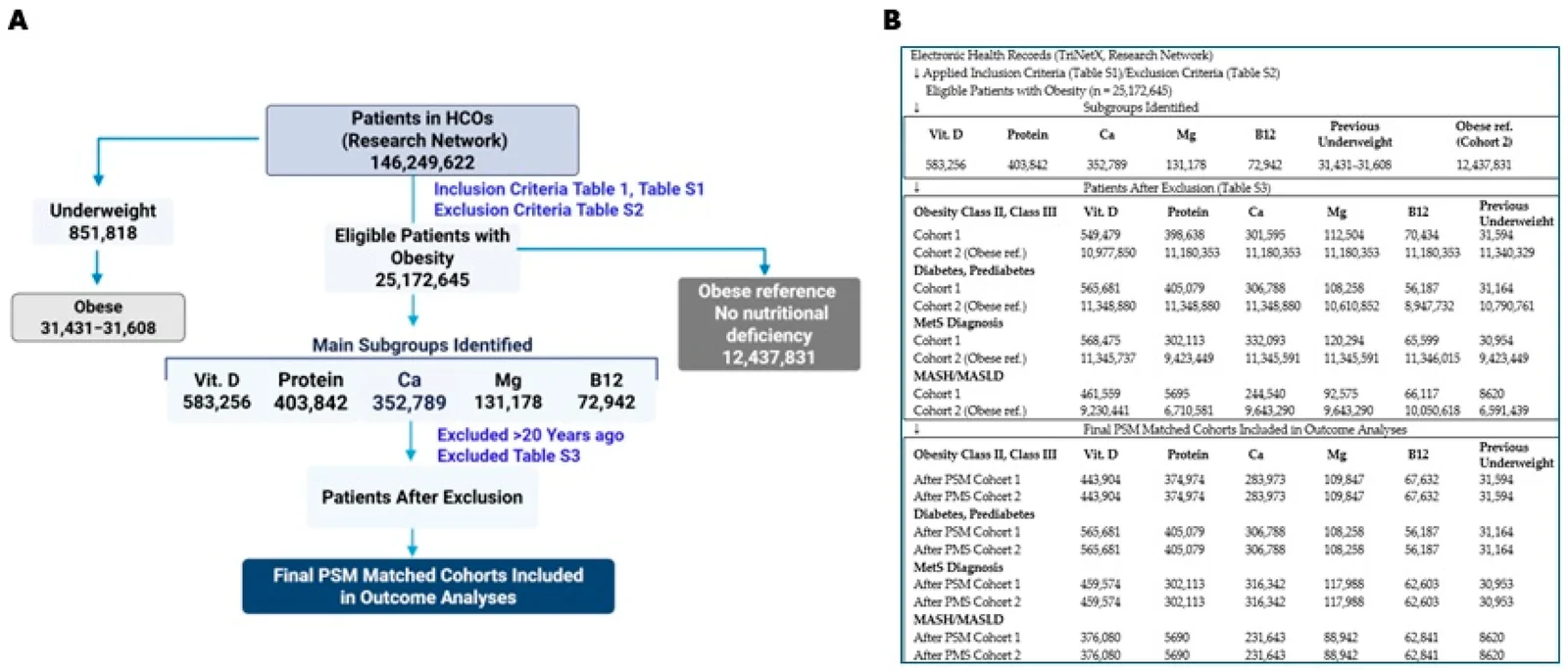
In electronic health records from the U.S. TriNetX network, researchers evaluated metabolic outcomes in patients with obesity and concurrent nutritional deficiencies. The team matched patients who had protein, calcium, magnesium, vitamin D, or vitamin B12 deficiencies, or prior underweight status, against individuals with obesity without nutritional deficiencies. Vitamin D deficiency was the most common at 10.6%, followed by protein deficiency at 8.9% and calcium deficiency at 7.5%. Incidence rates of protein, calcium, magnesium, and B12 deficiencies were highest in adults aged 70 years and older. Overall, vitamin D deficiency was associated with the highest metabolic disease burden, with a median hazard ratio of 3.09, followed by vitamin B12 deficiency at a median hazard ratio of 2.49 and prior underweight at 2.23.
Why it matters
Nutritional deficiencies frequently co-occur with obesity in older adults, where they may compound age-related metabolic dysregulation. Identifying these overlapping nutritional deficits could help clarify how malnourishment interacts with obesity to alter cardiometabolic health trajectories in aging populations.
Caveats
The observational analysis relied on retrospective electronic health records, precluding causal conclusions. Furthermore, absolute risk differences for several outcomes, including those linked to calcium and magnesium deficiencies, remained below 1% despite achieving statistical significance.
- Obesity
- Metabolic disease
- Metabolic dysfunction-associated steatohepatitis
- Metabolic dysfunction-associated steatotic liver disease
- Metabolic syndrome
- Humans
The paper
The University of Texas Medical Branch at Galveston
Nutrients · 14 Sep 2026 · CC BY