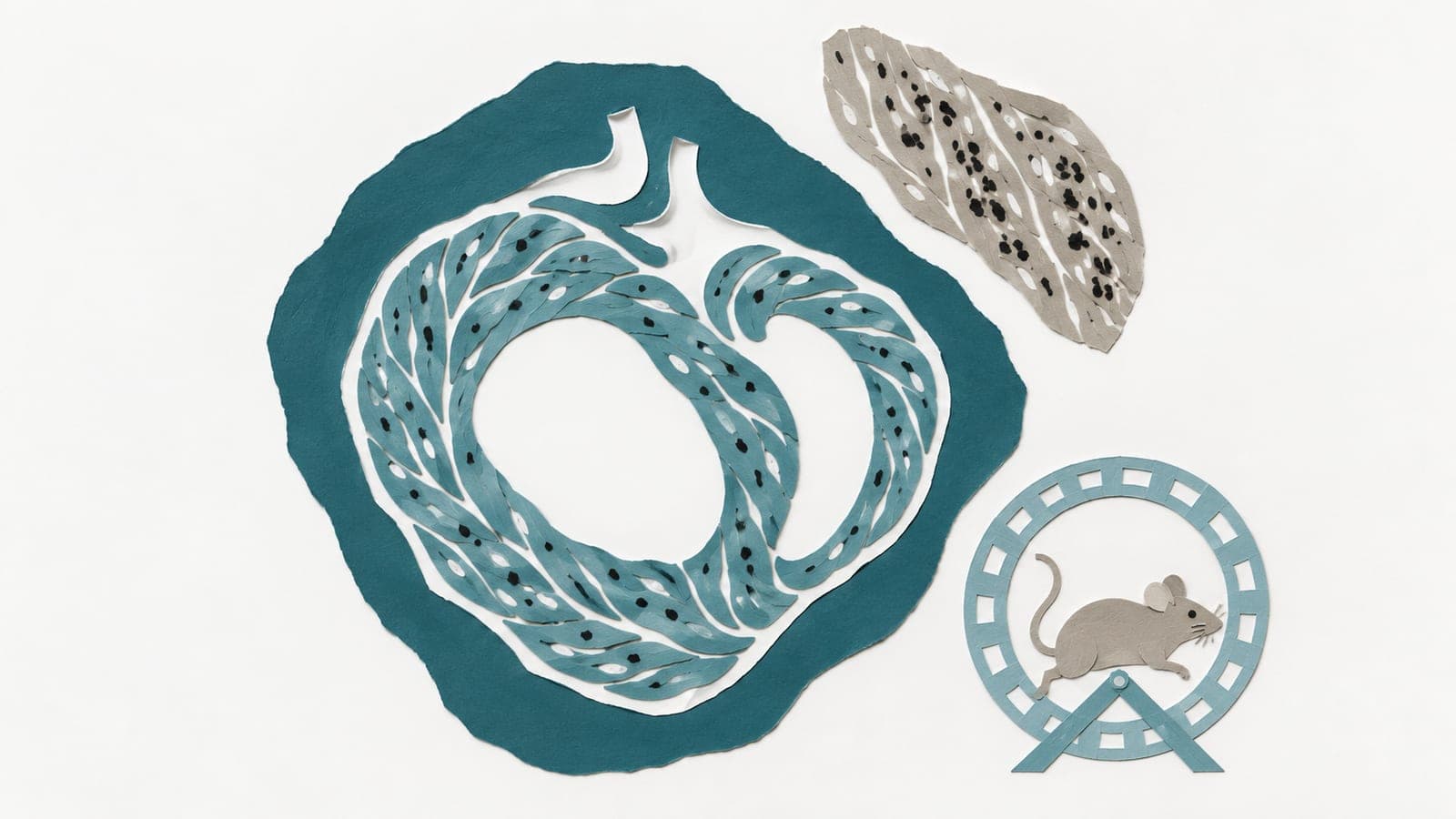
DASATINIB AND QUERCETIN REDUCE ALCOHOL-INDUCED VENTRICULAR LIPID ACCUMULATION, ALCOHOL INTAKE, AND COMPULSIVE-LIKE DRINKING
Abstract
Background and Purpose: Alterations of the brain ventricular system are recurrently observed in individuals with Alcohol Use Disorder (AUD) and in animal models of alcohol exposure. Lipid droplet (LD) accumulation in the ventricular system, a feature commonly associated with ageing, has been linked to dysfunction of brain barrier systems, neuroinflammation, and impaired neurogenesis. Experimental Approach: Using mouse models of both passive (experimenter-administered) and voluntary (self-administered) binge-like alcohol exposure, we characterised the time course of ventricular lipid droplet (LD) accumulation during withdrawal and evaluated the effects of the senolytic combination dasatinib plus quercetin (D+Q) on ventricular neuropathology, neuroinflammation, neurogenesis, and alcohol-related behaviours, including voluntary and compulsive-like drinking. Key Results: Aged mice showed increased LD accumulation in the ependymal layer and choroid plexus. Alcohol withdrawal induced a comparable pattern of ependymal LD accrual, peaking at withdrawal day 18, and was associated with neuroinflammation and reduced neurogenesis in adjacent niches. D+Q markedly reduced this LD accumulation, normalised periventricular microglial density and morphology, and rescued alcohol-impaired cell proliferation and survival in the subventricular and subgranular neurogenic niches. Behaviourally, D+Q reduced both voluntary and aversion-resistant compulsive-like alcohol drinking in alcohol-experienced mice, with more limited effects on anxiety-like and social behaviours. Conclusion and Implications: Together, these findings identify D+Q as a candidate strategy for AUD, with the potential to target both ventricular neuropathology and maladaptive drinking behaviour.
The paper
Authorea Preprints, 4 Aug 2026, Preprint, not peer-reviewed