Model mapped white matter lesions more accurately in brain scans
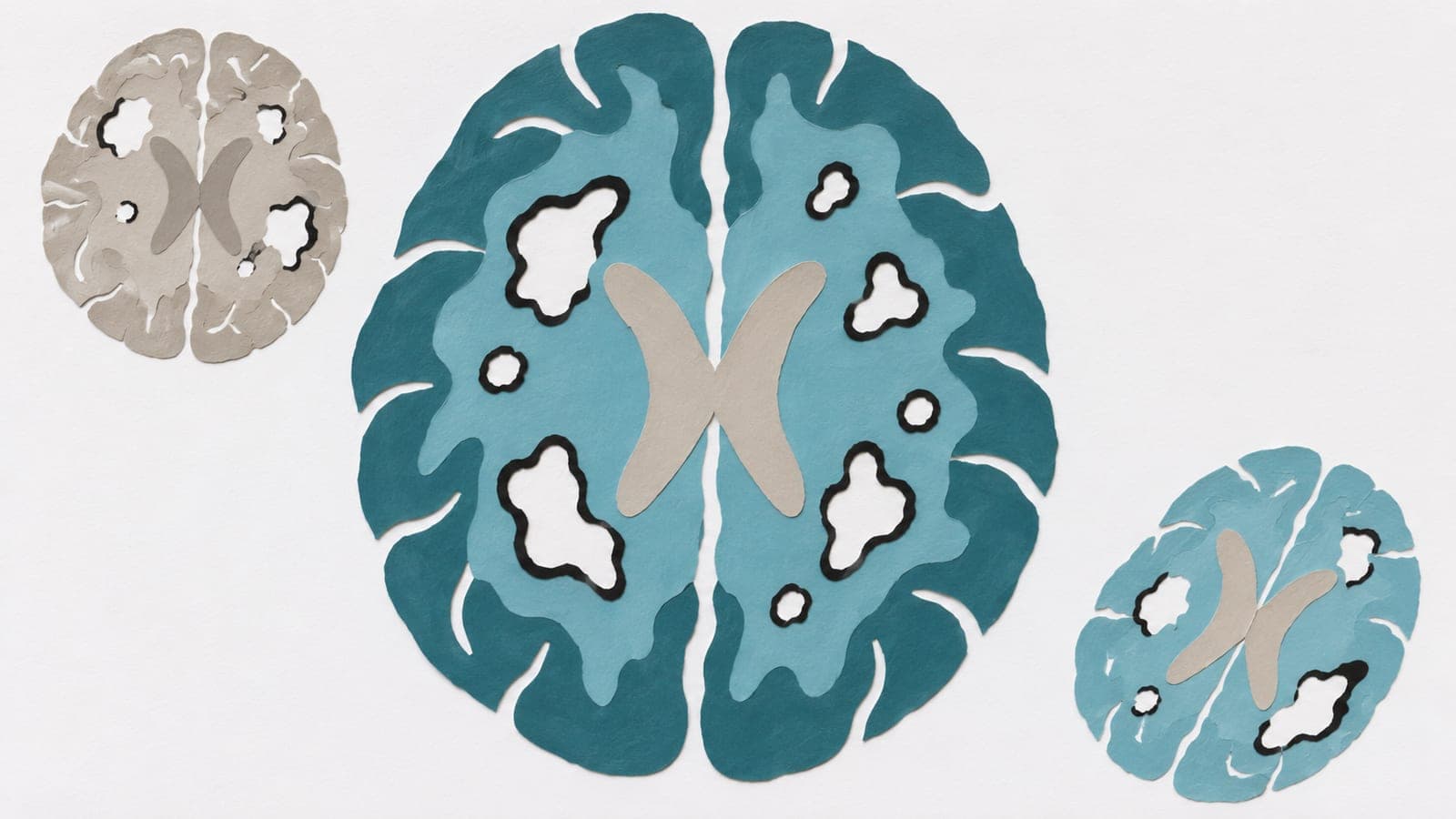
The model scored 0.73 for overlap with reference lesion maps, compared with 0.50, 0.57 and 0.29 for three existing tools.
Our read
Biomarkers- Studied:
- Preprint: computational study of 66 participants from neurodegenerative, cerebrovascular, and population cohorts
- What changed:
- Lesion-map overlap was higher: Dice 0.73 against 0.50, 0.57, and 0.29 for existing tools
- The catch:
- Independent testing covered only 25 scans from one additional imaging protocol
- In the record:
- The 251st paper on white matter hyperintensity volume with results in people; 464 on record in all.
Editor of record: Boris Djordjevic · AgingResearch.News
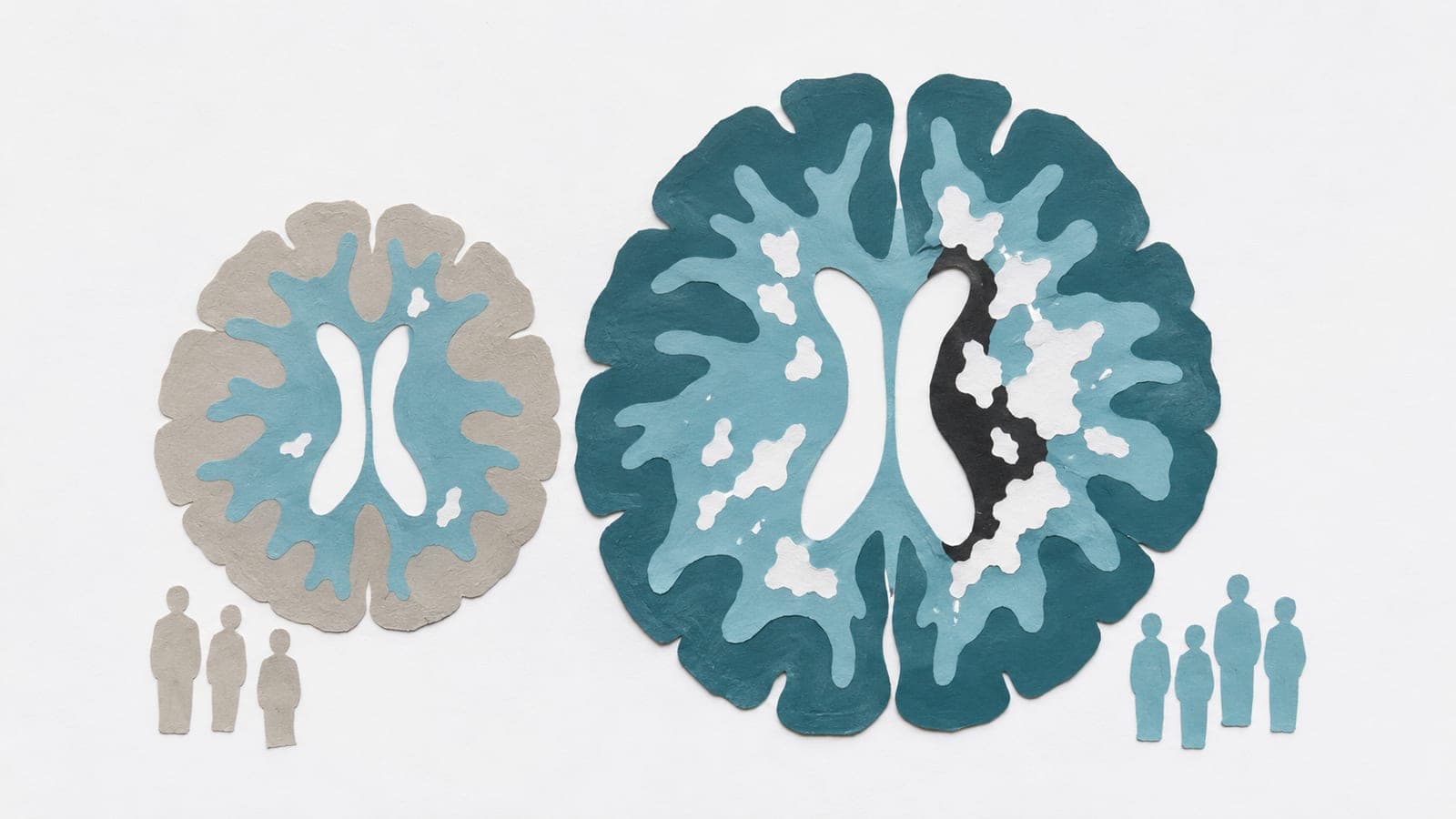
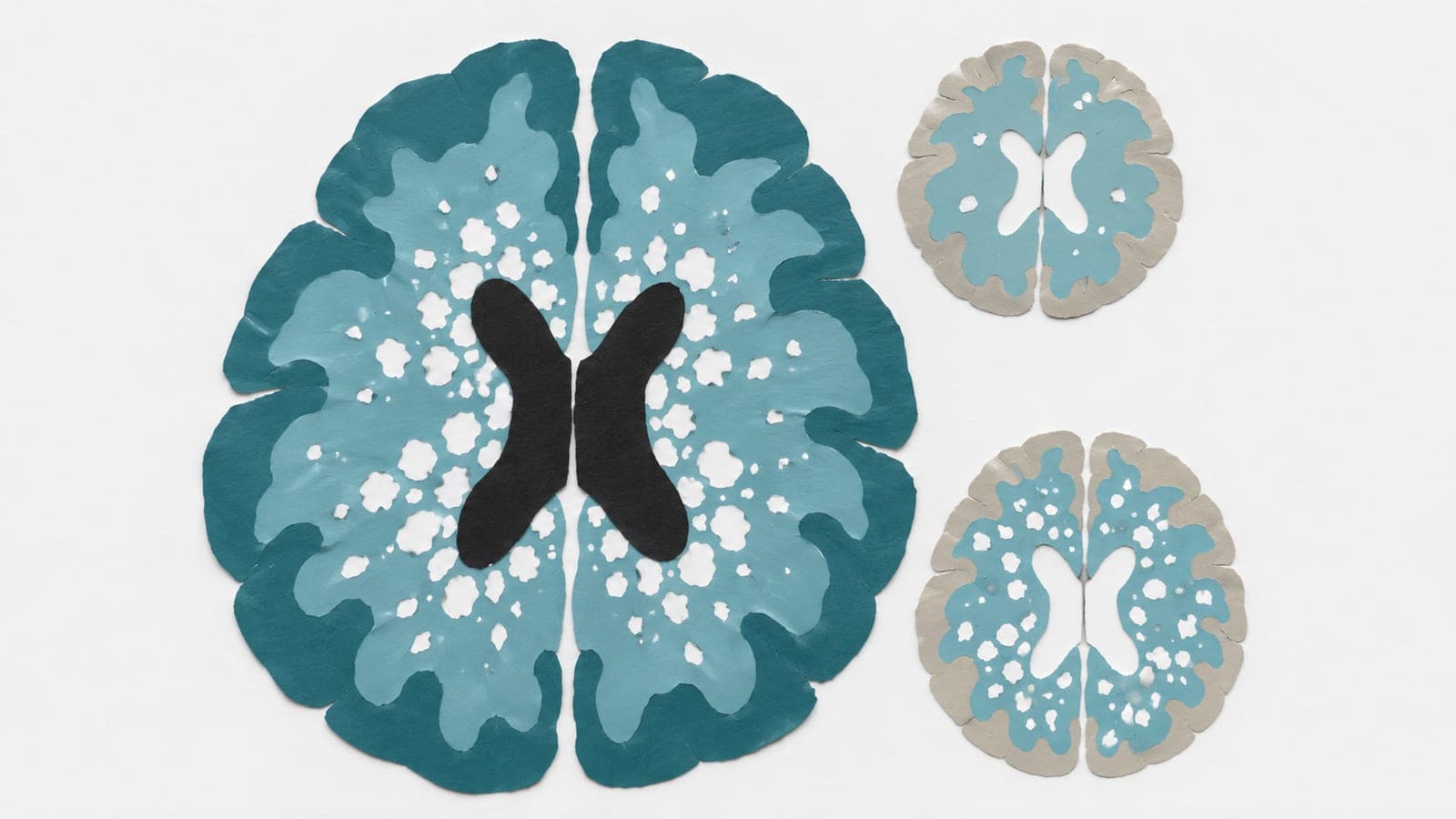
People from a cohort studying nerve cell degeneration, one enriched for disease of the brain’s small blood vessels and a population-based sample contributed scans to a model-development study. The model outlined white matter hyperintensities, bright areas on certain magnetic resonance images. Development used 460 scans, with 92 scans from 66 participants held out for internal testing.
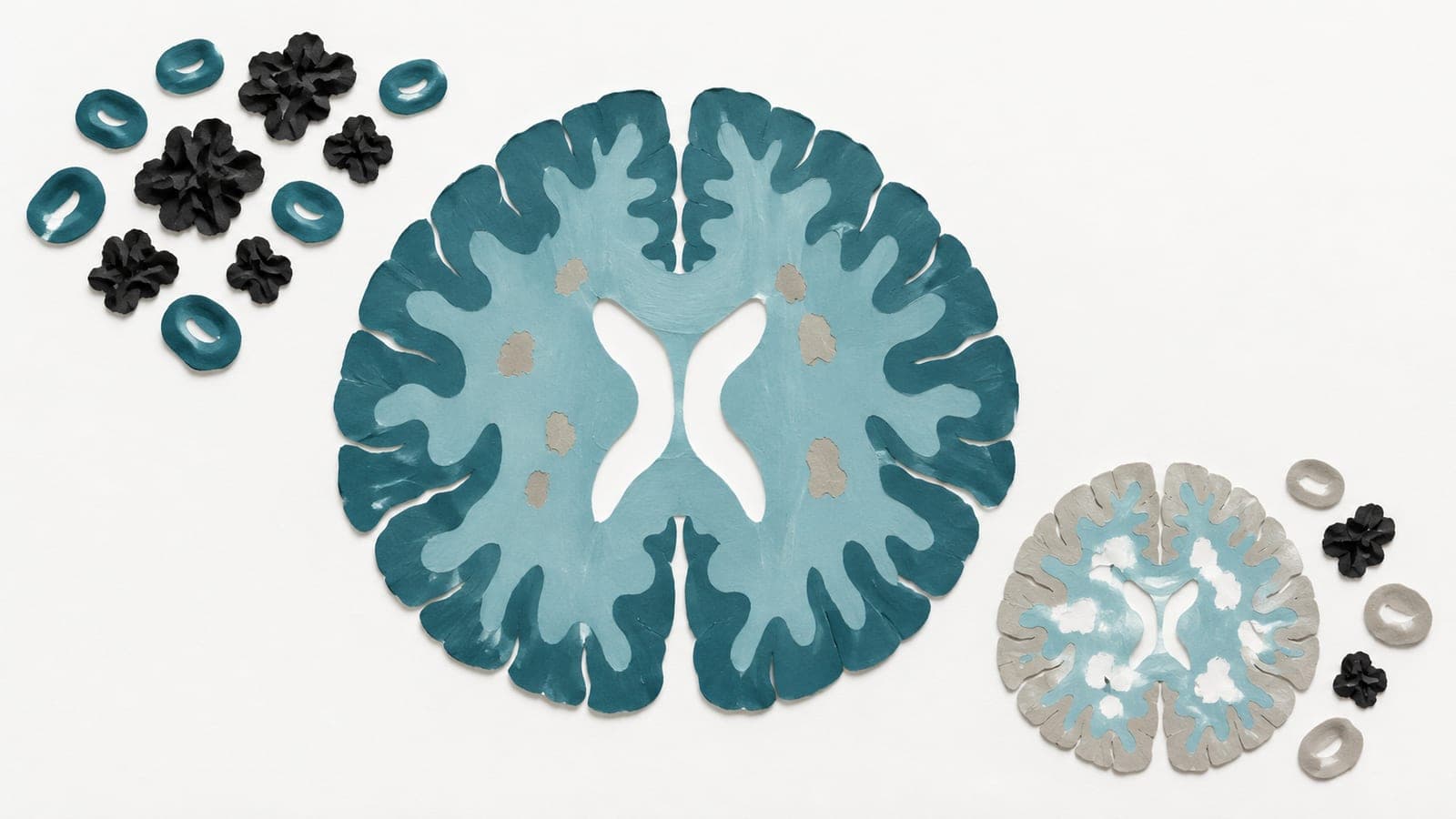
The model outperformed three existing tools, with similar accuracy on two-dimensional and three-dimensional scans. It also retained accuracy without retraining on 25 independent scans. In a separate analysis of 1,174 adults without cognitive impairment, including 42 who developed dementia, larger lesion volumes measured by the model were associated with later dementia after accounting for clinical factors.
Why it matters
Aging and dementia research increasingly combines brain scans collected in different ways. Reliable lesion measurements could help researchers study these populations together.
Caveats
Independent testing covered 25 scans from one additional imaging protocol, leaving performance on other protocols open. The paper is a preprint and has not been peer-reviewed.
- Deep learning
- White matter hyperintensities
- Dementia
- Cerebral small vessel disease
- Incident dementia
- Humans
The paper
Barrow Neuro Analytics Center, Barrow Neurological Institute, Phoenix, AZ; Departments of Neurology and Neurosurgery, Barrow Neurological Institute, Phoenix, AZ
medRxiv, Nov 12, 2026, Open access, CC BY-NC, Preprint, not yet peer-reviewed
Comments
Be the first to comment.