Midlife blood protein patterns linked to Alzheimer’s susceptibility
An observational preprint linked blood protein patterns to future cognitive decline, dementia and Alzheimer’s-related tissue changes across cohorts spanning two decades of follow-up.
Independent replication
Limit: The Alzheimer’s-specific outcome was pathology, a stand-in for clinically diagnosed Alzheimer’s disease
Edited by Boris Djordjevic · AgingResearch.News
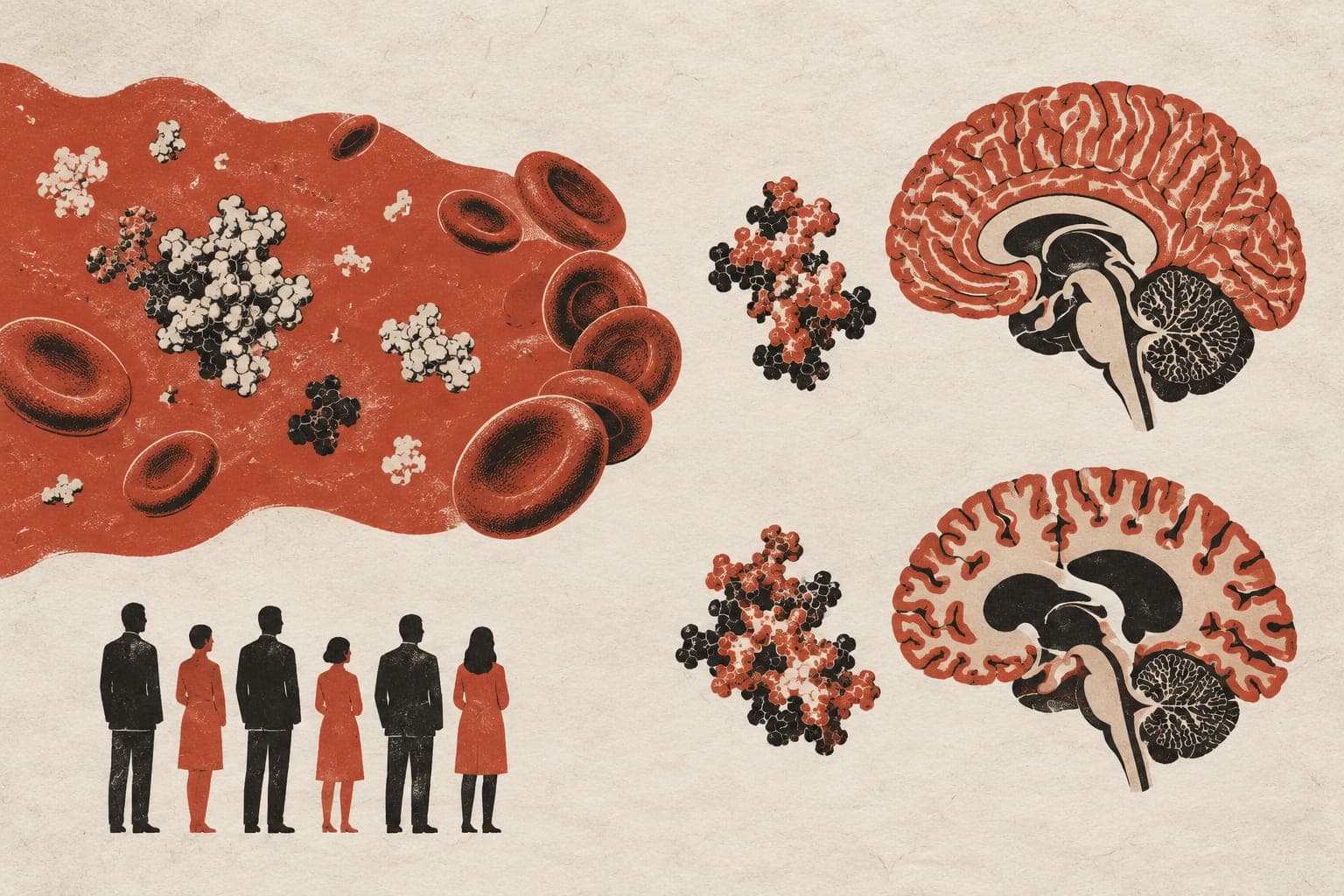
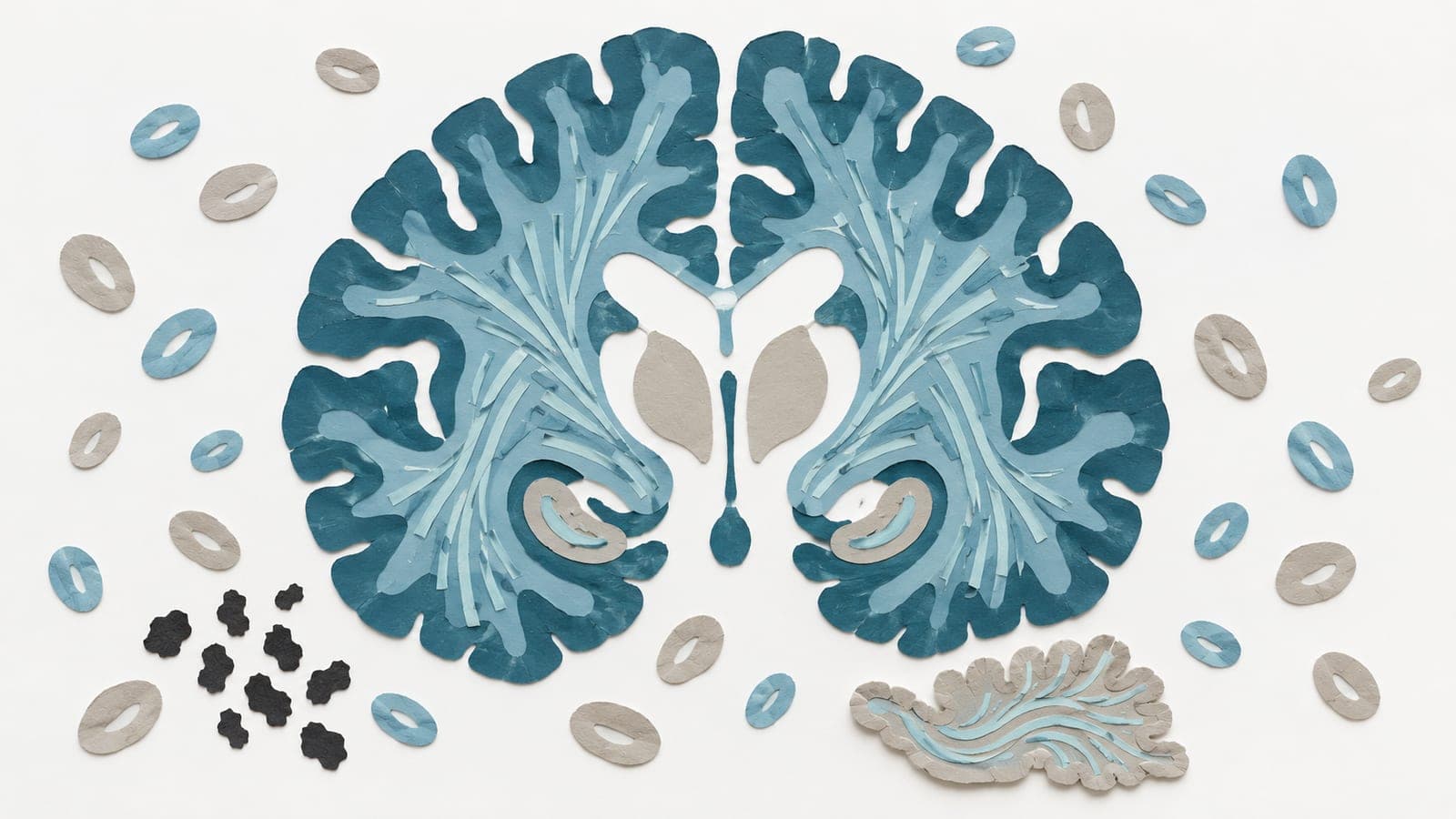
In UK Biobank participants, researchers conducted an observational study combining several types of brain imaging with measurements of proteins in blood plasma, the liquid part of blood. They identified a pattern of circulating proteins linked to brain structure and organization, which they called the “neurostructural proteome.”
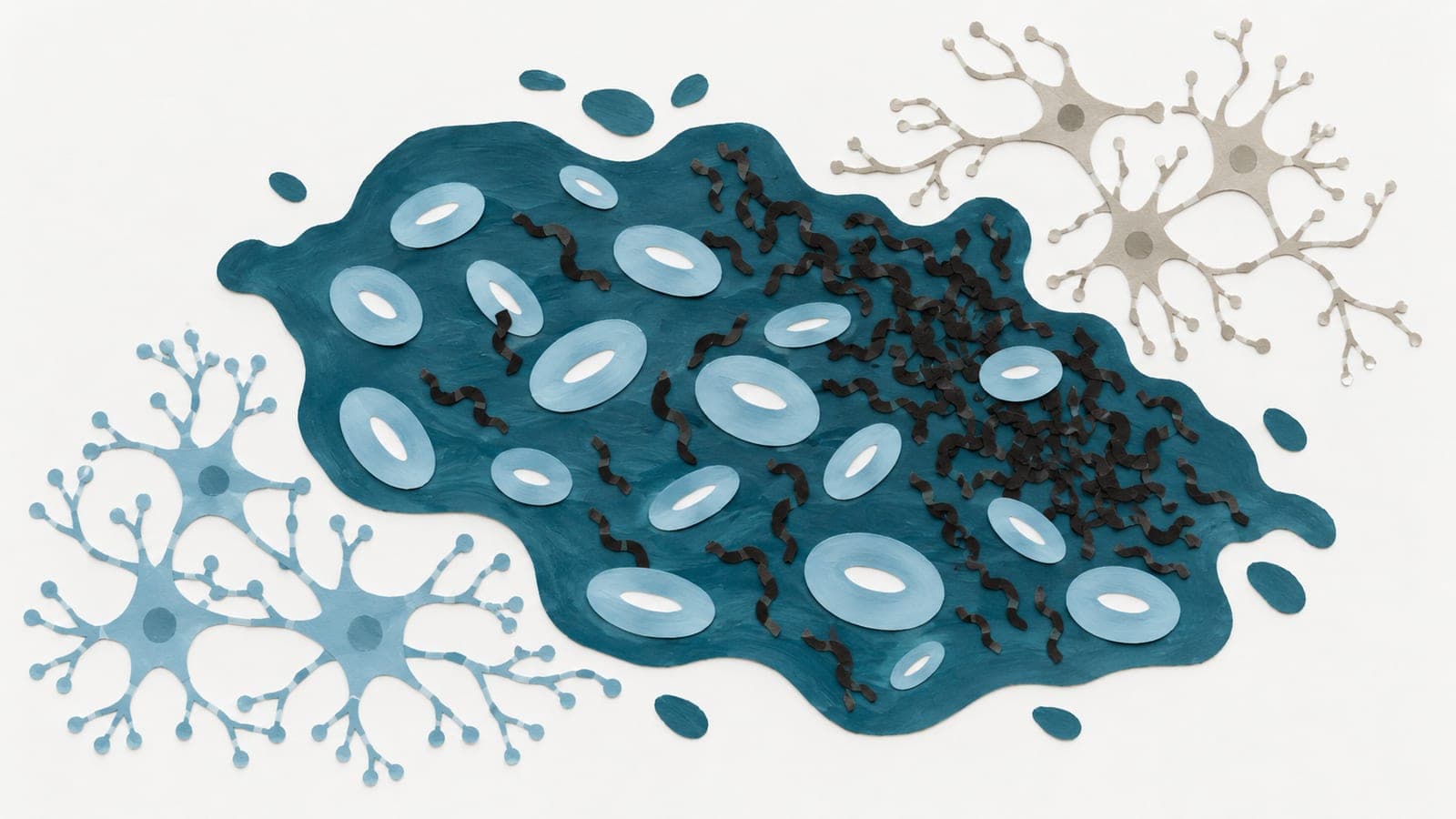
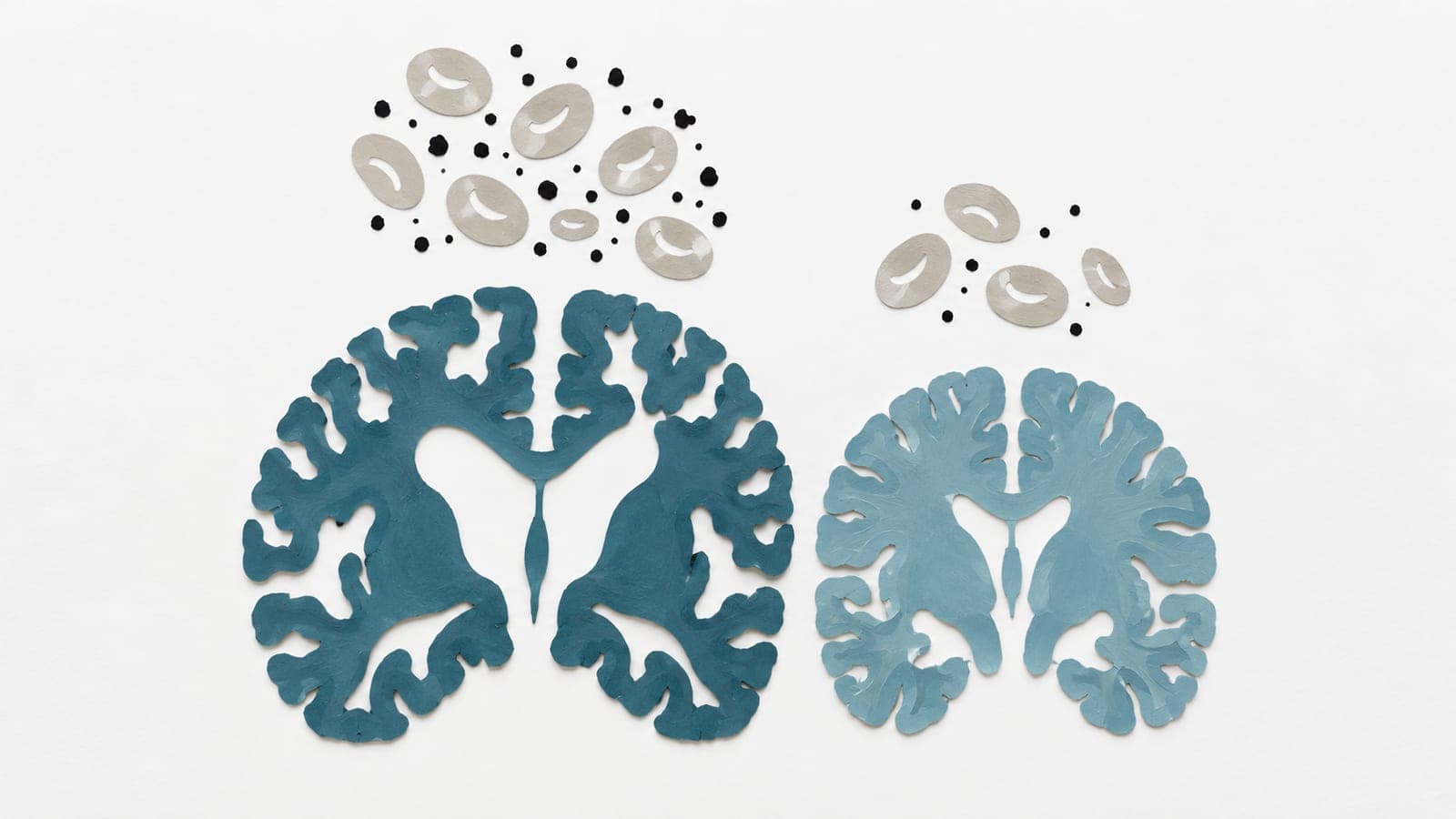
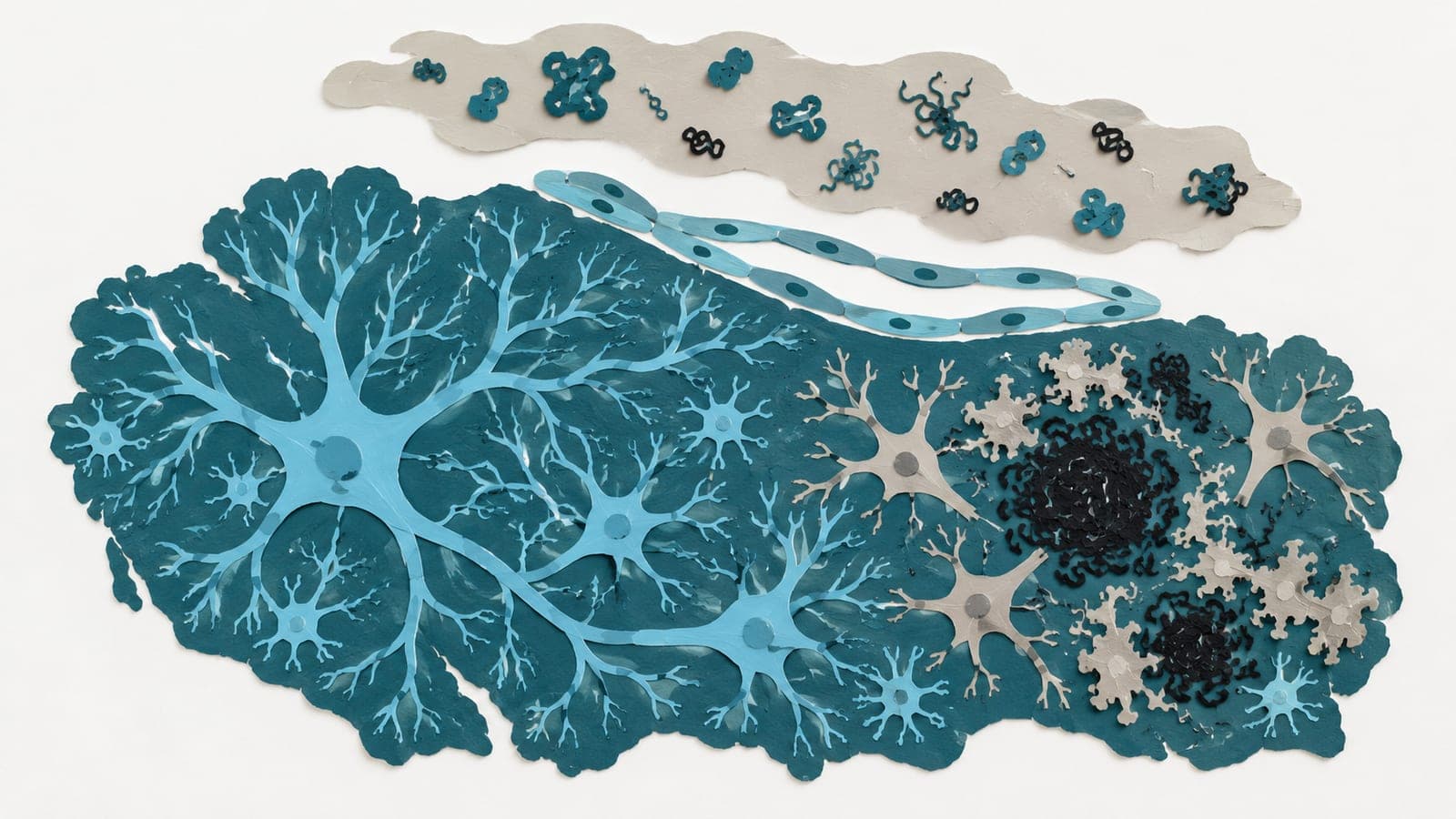
In independent cohorts spanning two decades of follow-up, this pattern predicted future cognitive decline, new cases of dementia and Alzheimer’s-related tissue changes later in life. Analyses of genetic data and gene activity in individual cell nuclei linked the protein pattern to the genetic basis of Alzheimer’s disease. These analyses highlighted biological processes involving cells that support nerve cells, brain immune cells and cells lining blood vessels.
Why it matters
Alzheimer’s disease develops over decades. The work offers a framework for exploring molecular processes associated with susceptibility before conventional disease markers or clinical onset.
Caveats
The observational findings cannot establish cause and effect. The preprint has not been peer-reviewed, and its abstract does not specify participant numbers or age ranges.
The paper
Proteogenomics captures a midlife biological state of Alzheimer's disease susceptibility
Division of Genetic Medicine and Clinical Pharmacology, Vanderbilt University Medical Center, Nashville, TN, USA
medRxiv, Oct 26, 2026, Open access, Preprint, not peer-reviewed