Heart scans yield reference ranges by age and sex
An observational analysis of 9,088 heart scans produced reference ranges for how heart muscle changes shape, with larger differences by age and sex than ethnicity.
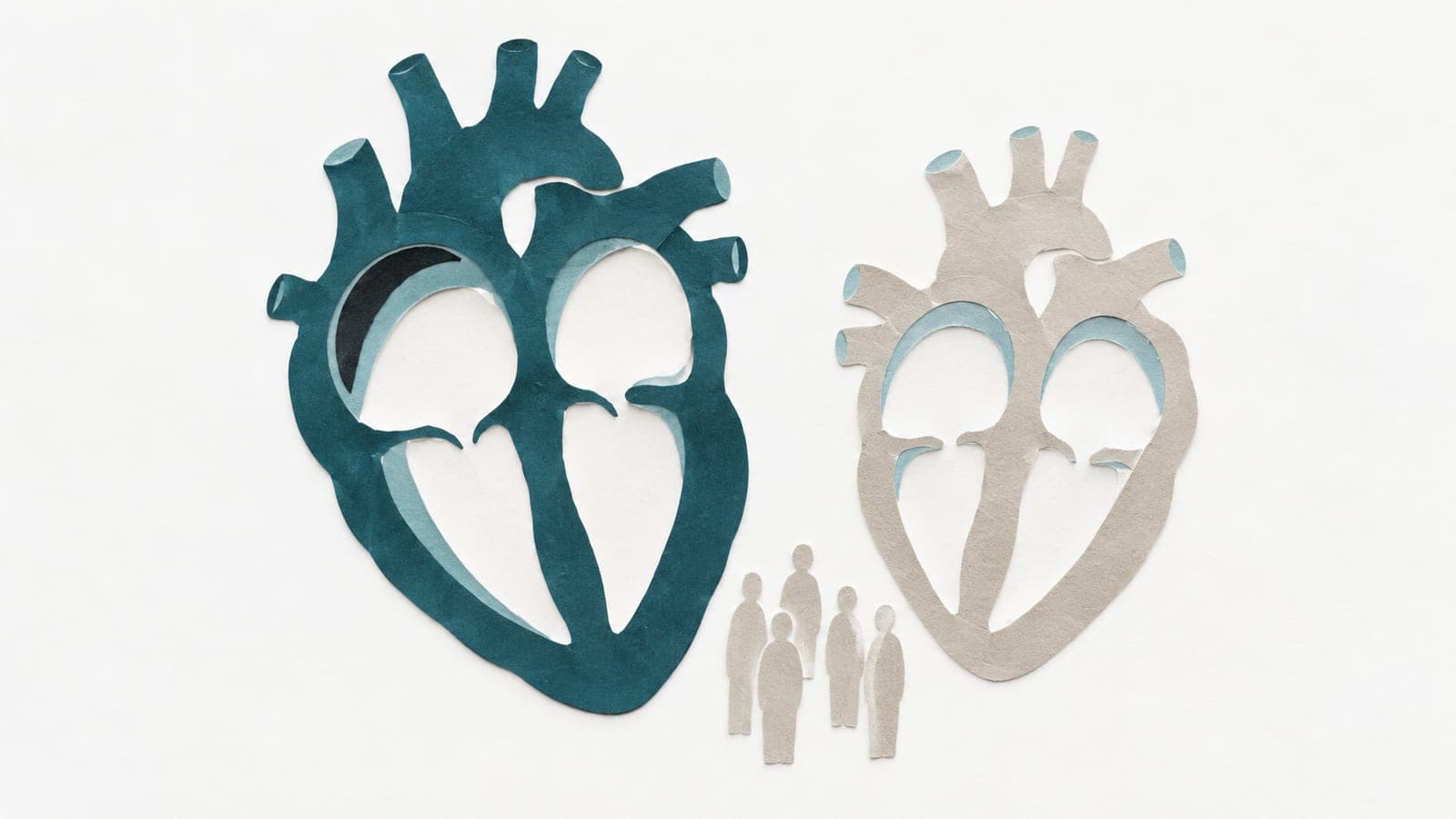
Researchers studied a human reference population using 9,088 heart magnetic resonance scans in an observational analysis. They measured strain, how much heart muscle changed shape during pumping, and developed age- and sex-specific reference ranges. The size of these shape changes was greater in women than men across all age groups. Lengthwise strain in the left ventricle, the heart’s main pumping chamber, was slightly lower at older ages. Ethnicity-related differences were smaller than age- and sex-related differences.
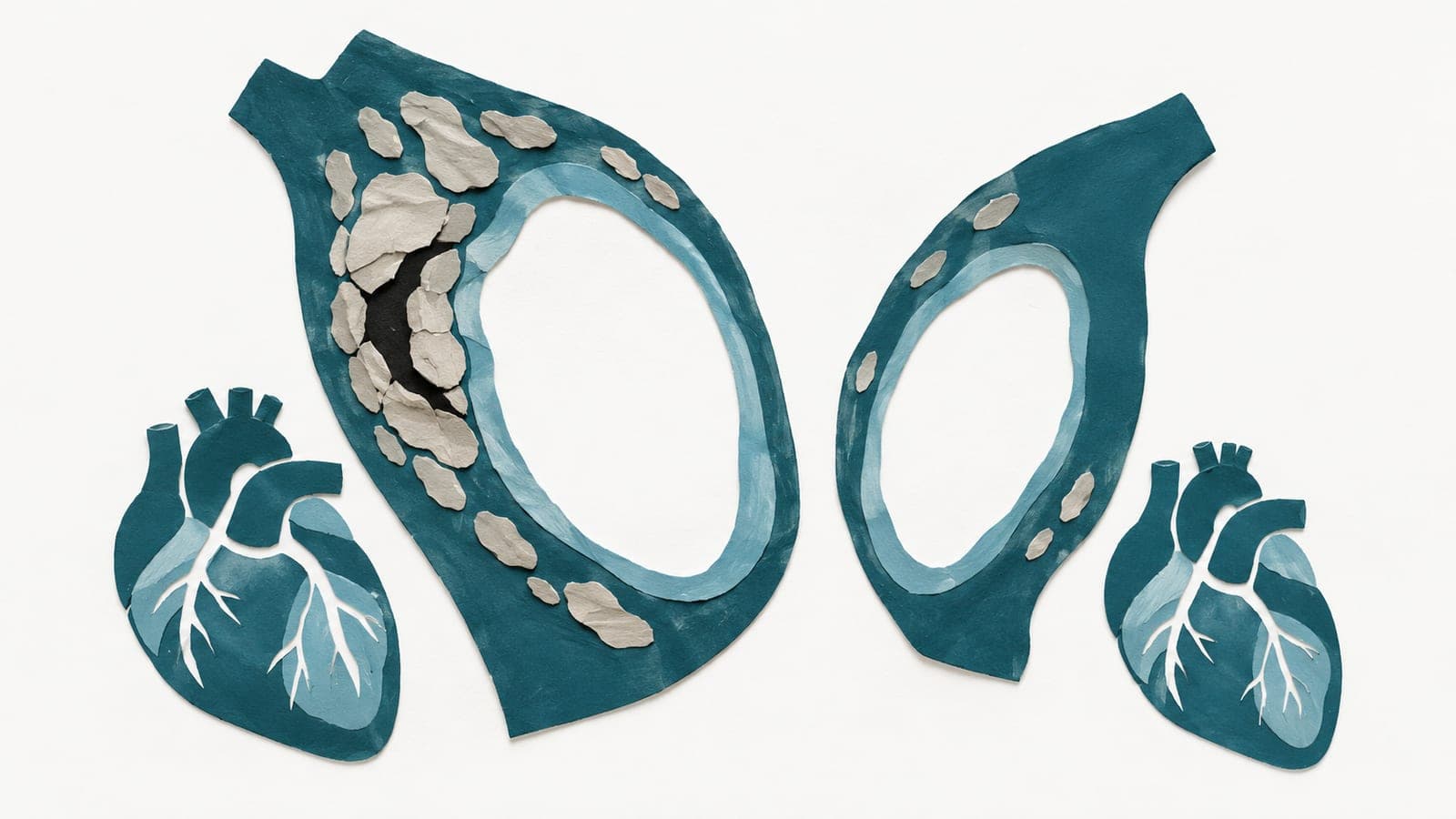
In a separate analysis of approximately 45,000 UK Biobank participants, three measures of left ventricular strain below the reference population’s 0.5th percentile were associated with higher risk of developing heart failure.
Why it matters
Understanding which heart muscle measurements are expected at different ages can help researchers interpret scans. These reference ranges may support more consistent assessment of heart failure risk.
Caveats
The observational design cannot establish that low strain causes heart failure. The paper is a preprint and has not yet been peer-reviewed.
The paper
Department of Cardiology, Angiology and Pneumology, Heidelberg University Hospital, Heidelberg, Germany
medRxiv, 13 Oct 2026, CC BY, Preprint, not peer-reviewed