Stiffer main arteries linked to higher estimated stress in people
An observational analysis of scans from 57,434 UK Biobank participants linked stiffness, as well as artery size, to estimated stress within the aorta's wall.
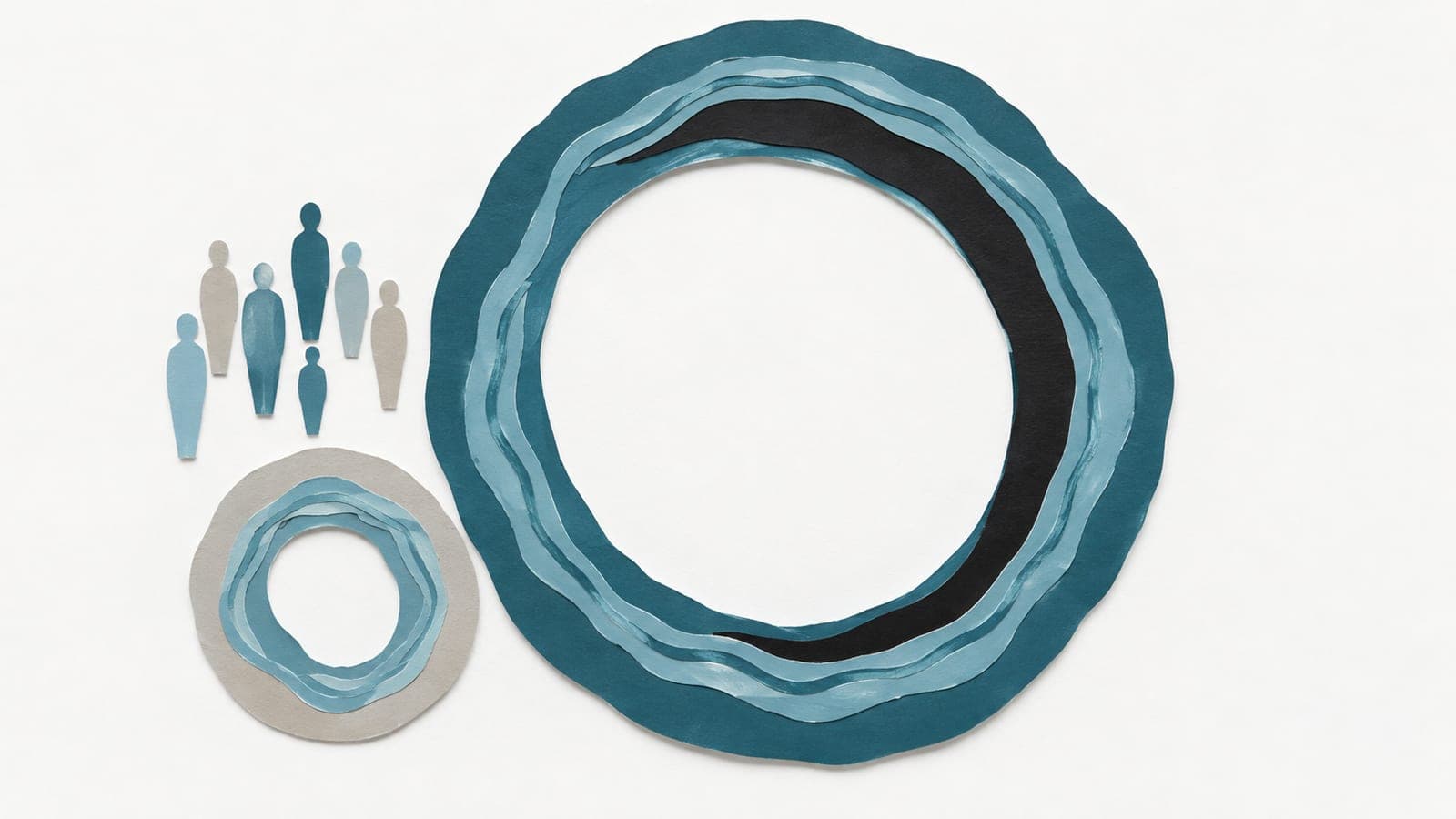
In 57,434 UK Biobank participants, an observational study used magnetic resonance imaging scans and computer models to assess the aorta, the body's main artery. The researchers measured its diameter and how readily it expanded, an indicator of stiffness. They combined these measurements with data from tissue studied outside the body to estimate wall stress, the force acting per unit area.
Larger aortas were stiffer. Higher stiffness was associated with higher estimated maximum wall stress, which also depended on artery size. Greater height or weight was associated with larger aortas, but not with different stiffness. Apparent sex differences in aortic size became substantially smaller after accounting for body size. The authors argued that risk assessments for aortic disease should consider stiffness alongside diameter.
Why it matters
Reference data that account for age could help researchers examine age-related differences in the aorta and build more personalised models of aortic disease risk.
Caveats
This observational analysis cannot establish cause and effect, and wall stress was estimated using models rather than measured in participants. The report is a preprint and has not been peer-reviewed.
The paper
Population-scale trends and variations in human aortic biomechanics
University of Glasgow
medRxiv, 12 Oct 2026, CC BY, Preprint, not peer-reviewed