Water-channel protein linked to age-related muscle decline in rats
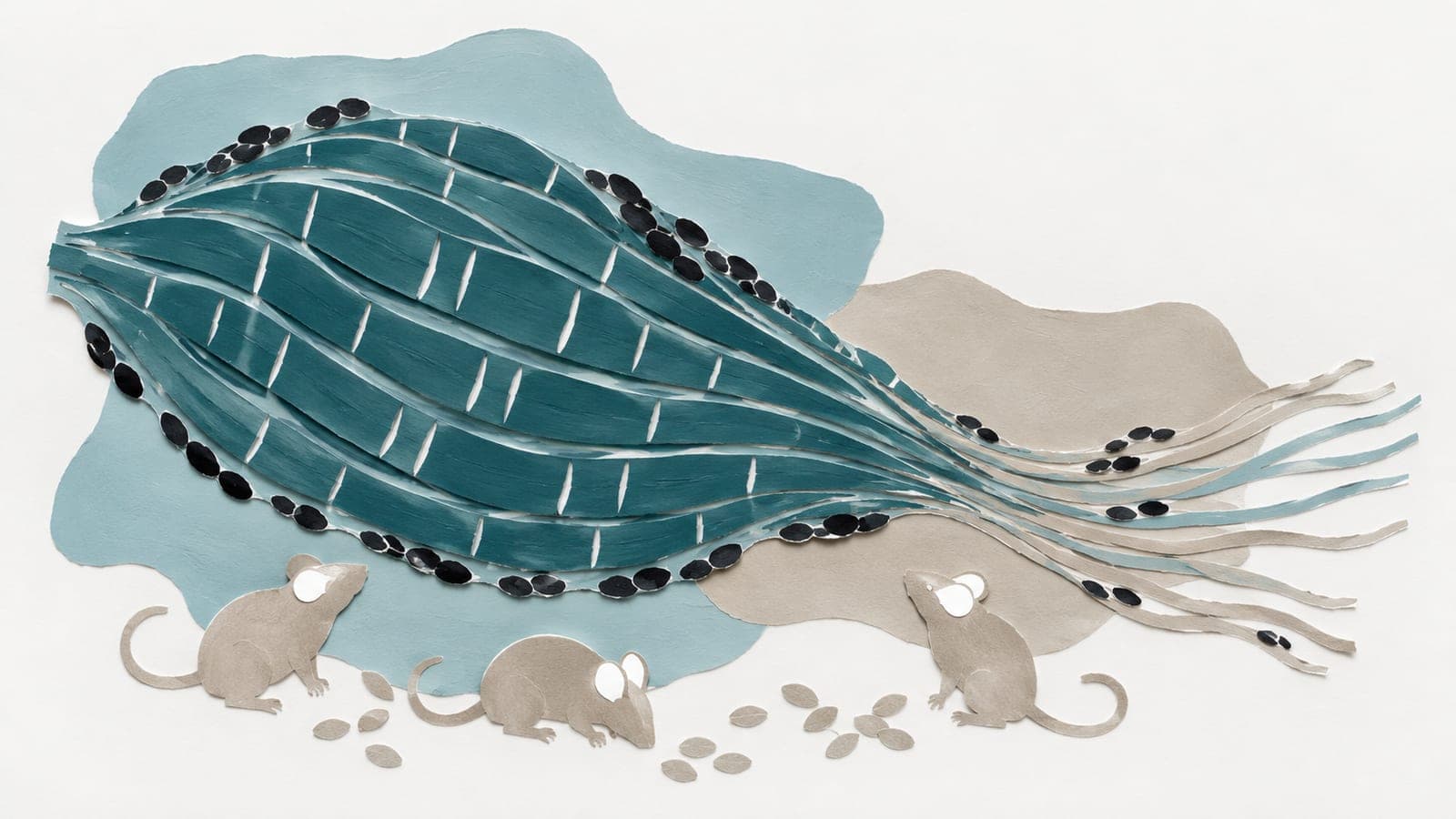
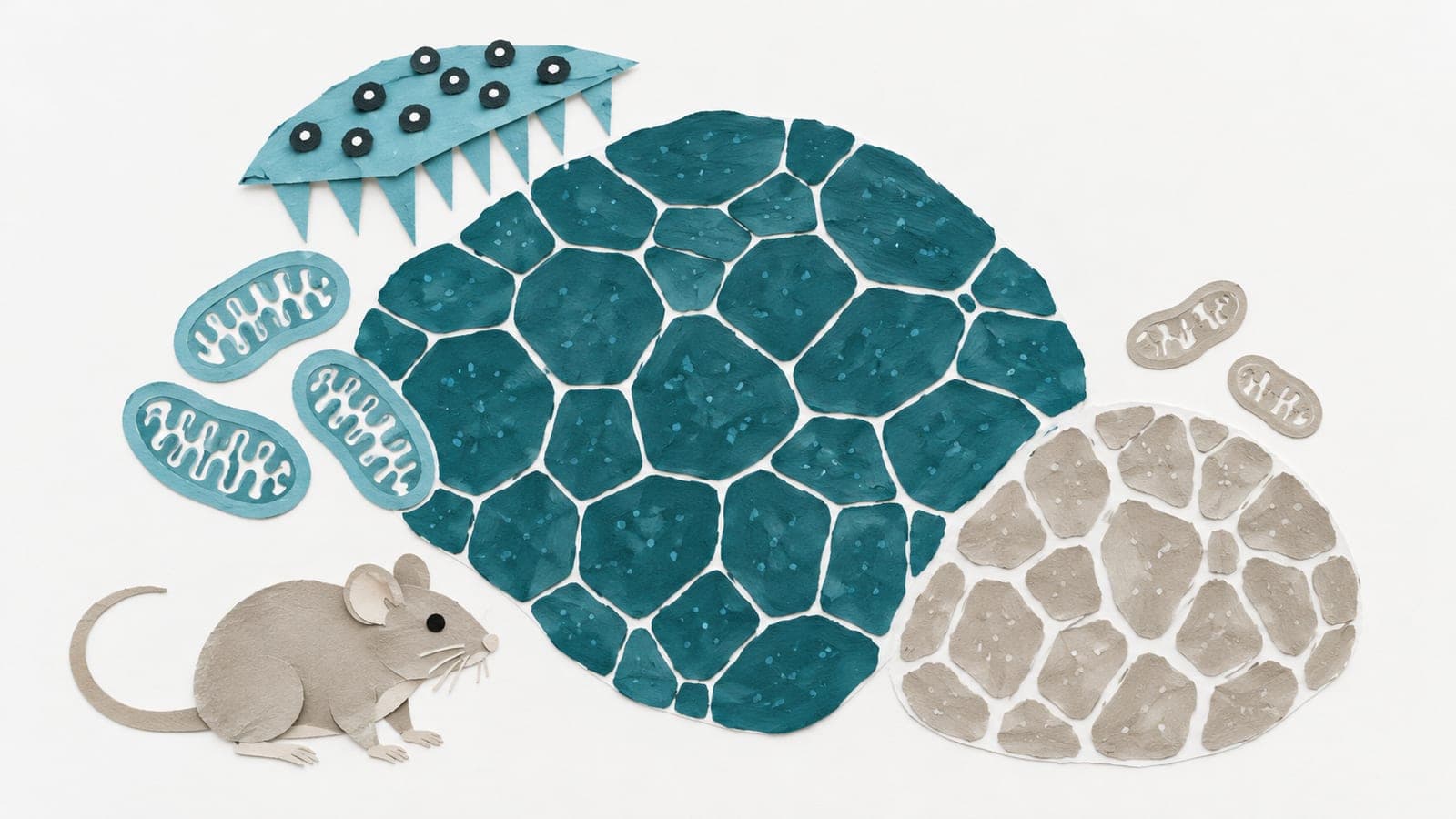
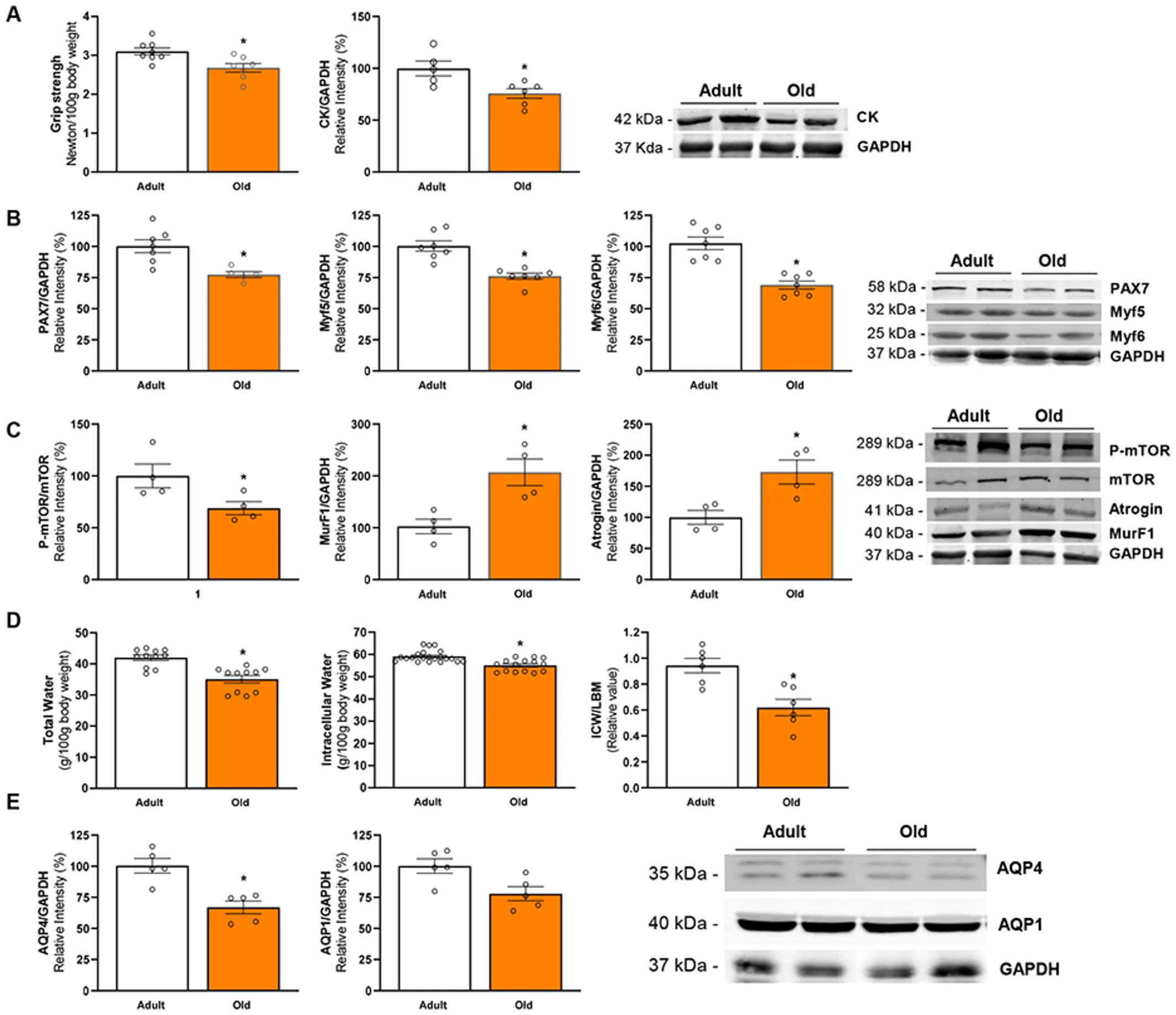
Aged rats had 33% lower levels of the water-channel protein aquaporin-4 than young adult rats, alongside reduced muscle strength.
9 rats
Limit: Muscle wasting could lower AQP4, rather than AQP4 loss causing muscle decline
Stake: Abbott funded the study.
Edited by Boris Djordjevic · AgingResearch.News
Researchers compared skeletal muscle from nine young adult rats aged 25 weeks and eight aged rats aged 85 weeks. They also ran experiments in L6 rat myoblasts, immature muscle cells grown in the lab.
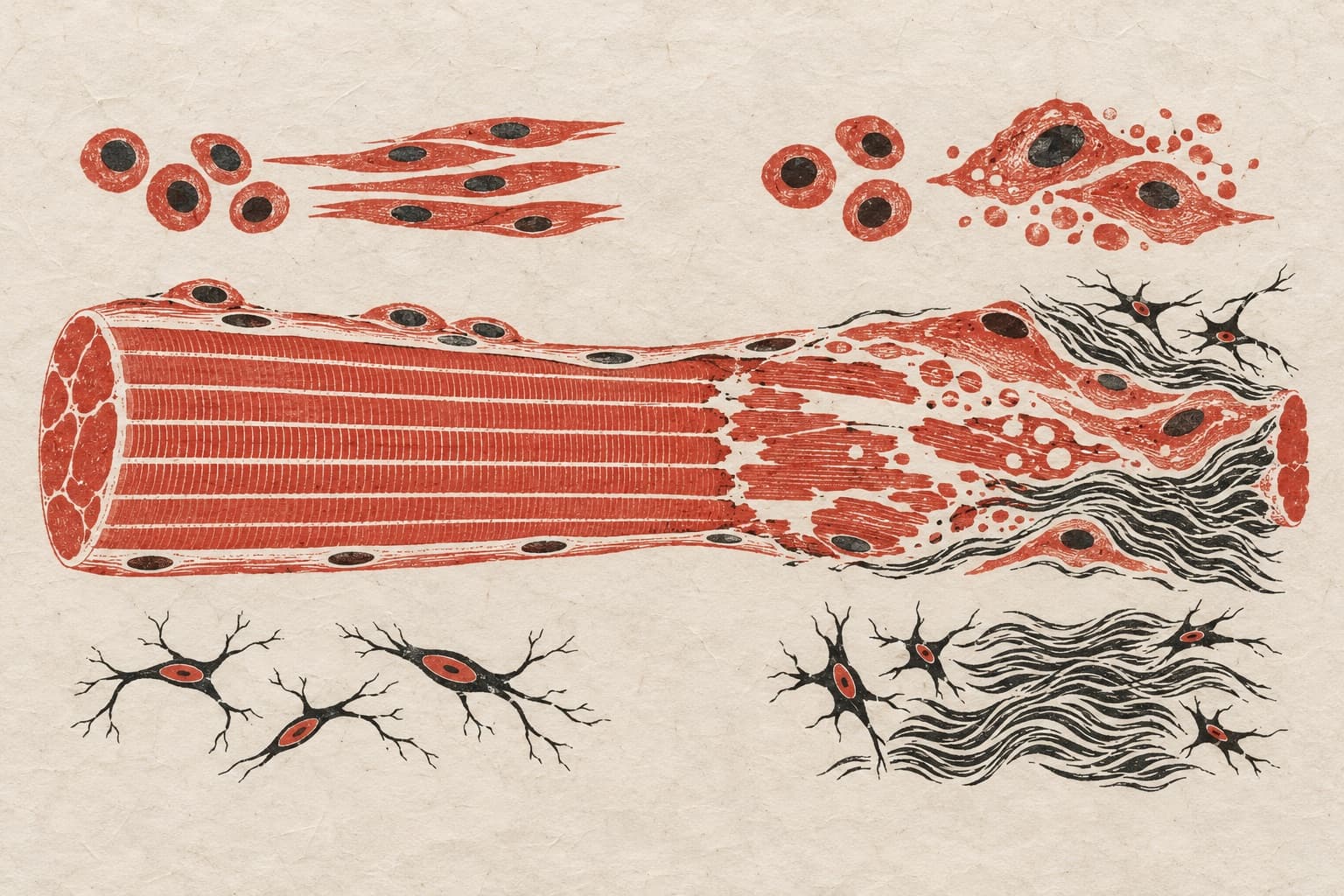
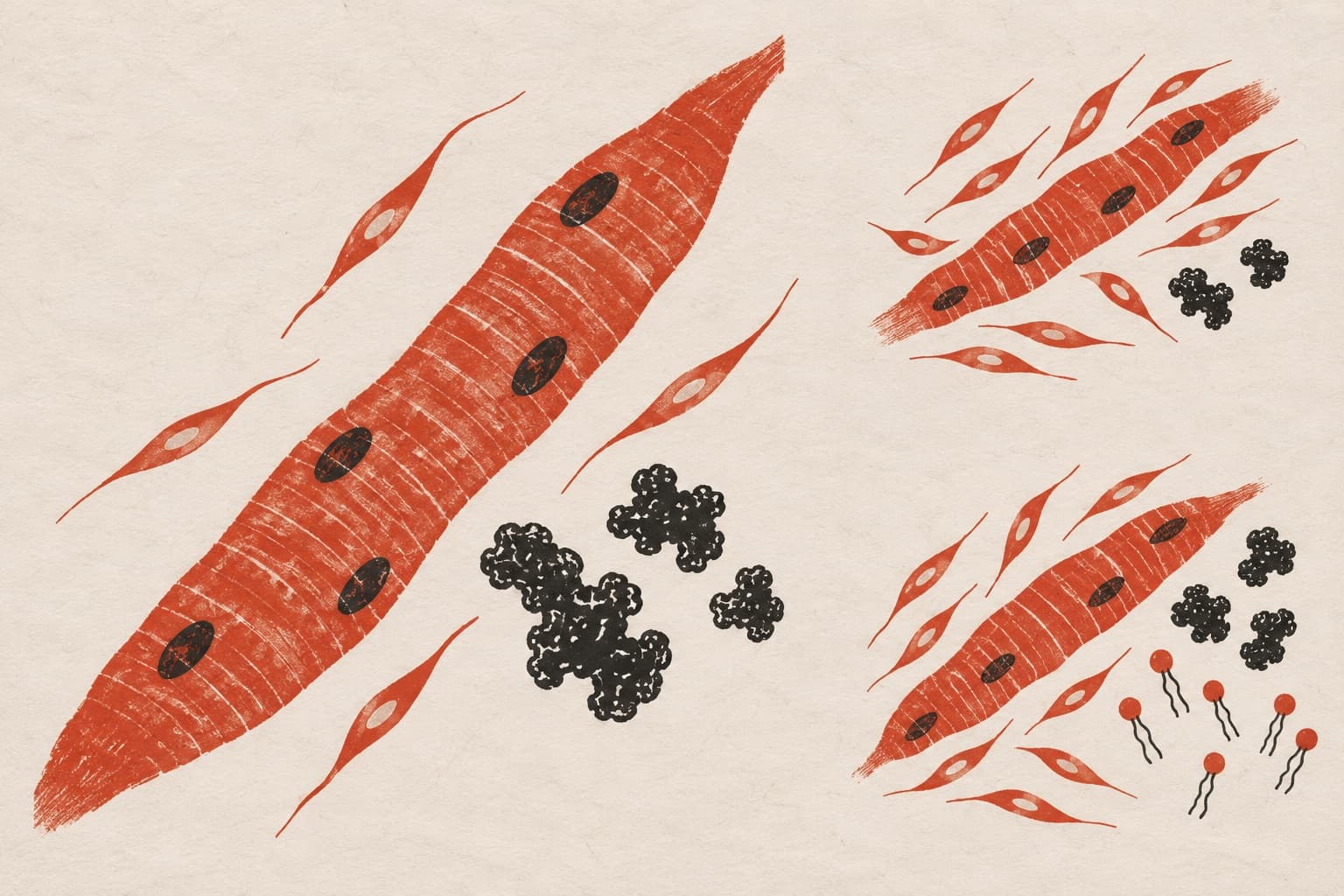
Aged rats had less aquaporin-4, a protein that channels water across cell membranes, and lower muscle strength. Protein levels correlated with muscle performance. Satellite cells, muscle stem cells, from aged rats showed 30% less development into muscle cells. Experimentally reducing aquaporin-4 in L6 cells reduced cell multiplication by 20% and development into immature muscle fibers by 50%. It also increased senescence, a state in which cells stop dividing, by 30%. Restoring aquaporin-4 expression reversed these abnormalities in the silenced L6 cells.
Why it matters
Impaired muscle regeneration contributes to age-related muscle decline. The findings point to aquaporin-4 as a biologically plausible target for research on preserving muscle health with age.
Caveats
The restoration experiments used rat cells grown in the lab, not aged animals or people. The rat comparison showed associations but did not test whether restoring the protein improves muscle strength.
The paper
University of Granada
Journal of Cachexia, Sarcopenia and Muscle, Oct 27, 2026