Engineered bone-targeting particles reduced bone loss in mice
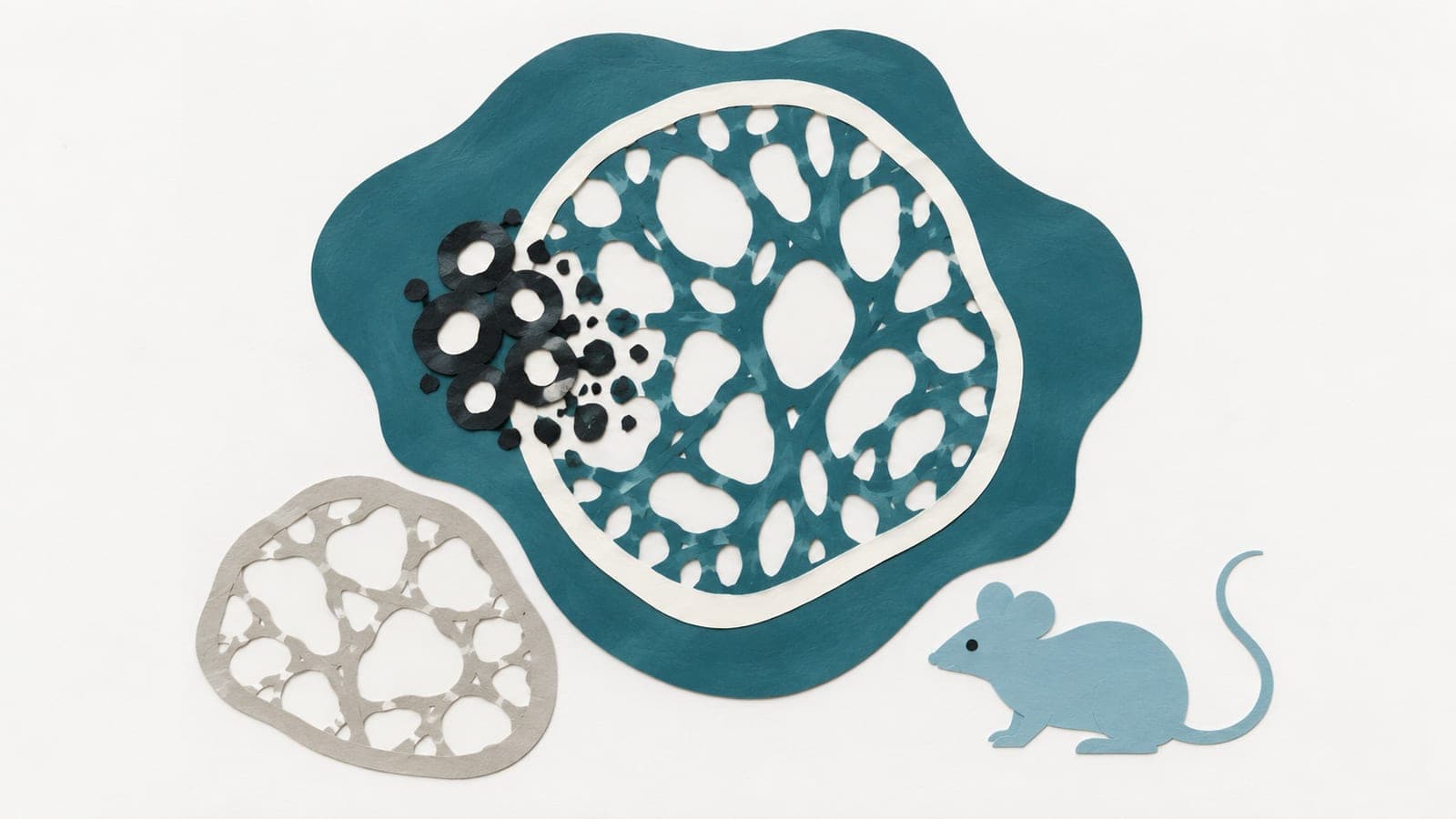
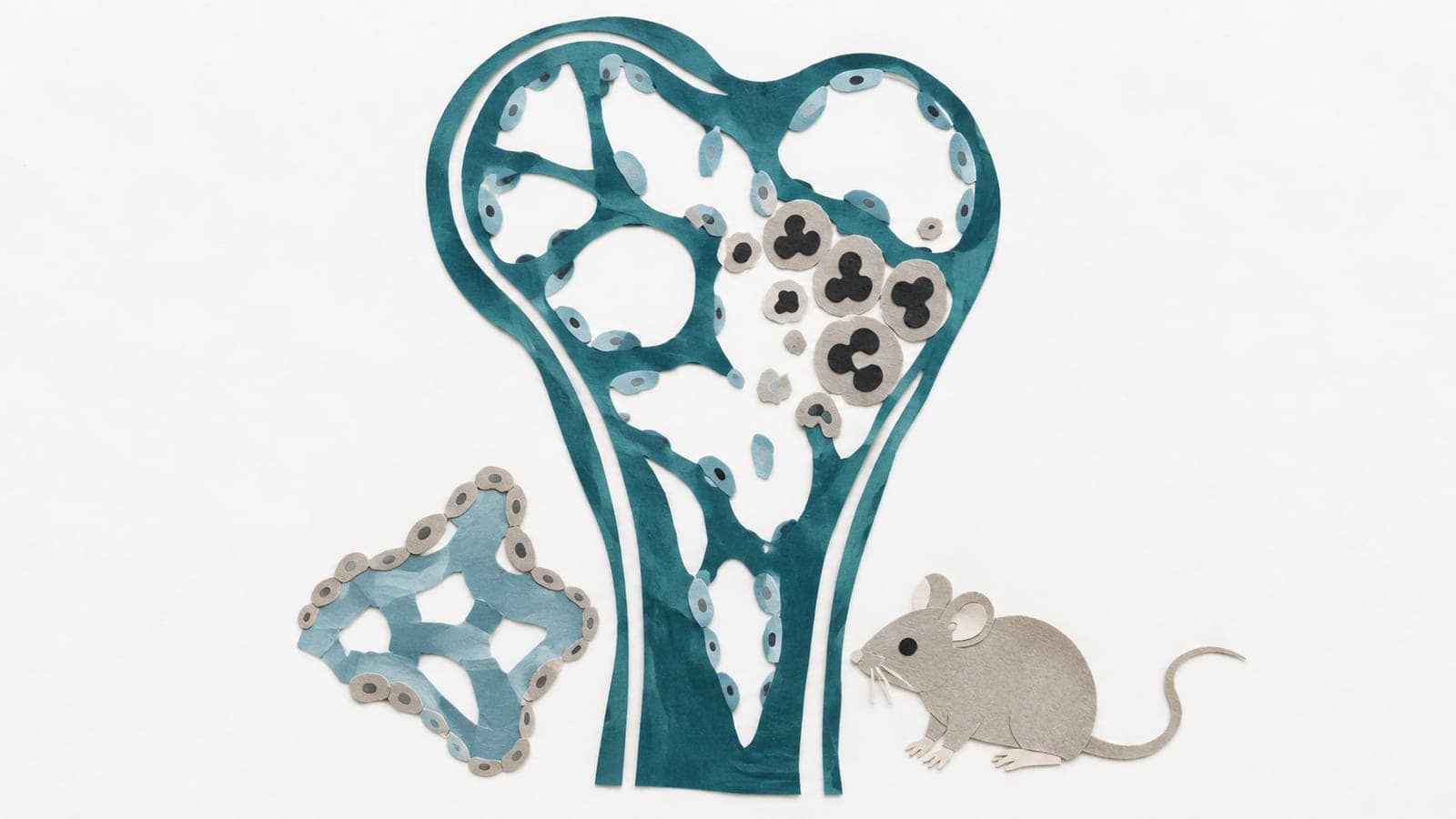
Weekly doses of particles carrying instructions for making the bone-building drug teriparatide improved spongy bone structure in a mouse model of osteoporosis.
Limit: Efficacy measures covered bone structure and formation, not bone strength or fractures
Edited by Boris Djordjevic · AgingResearch.News
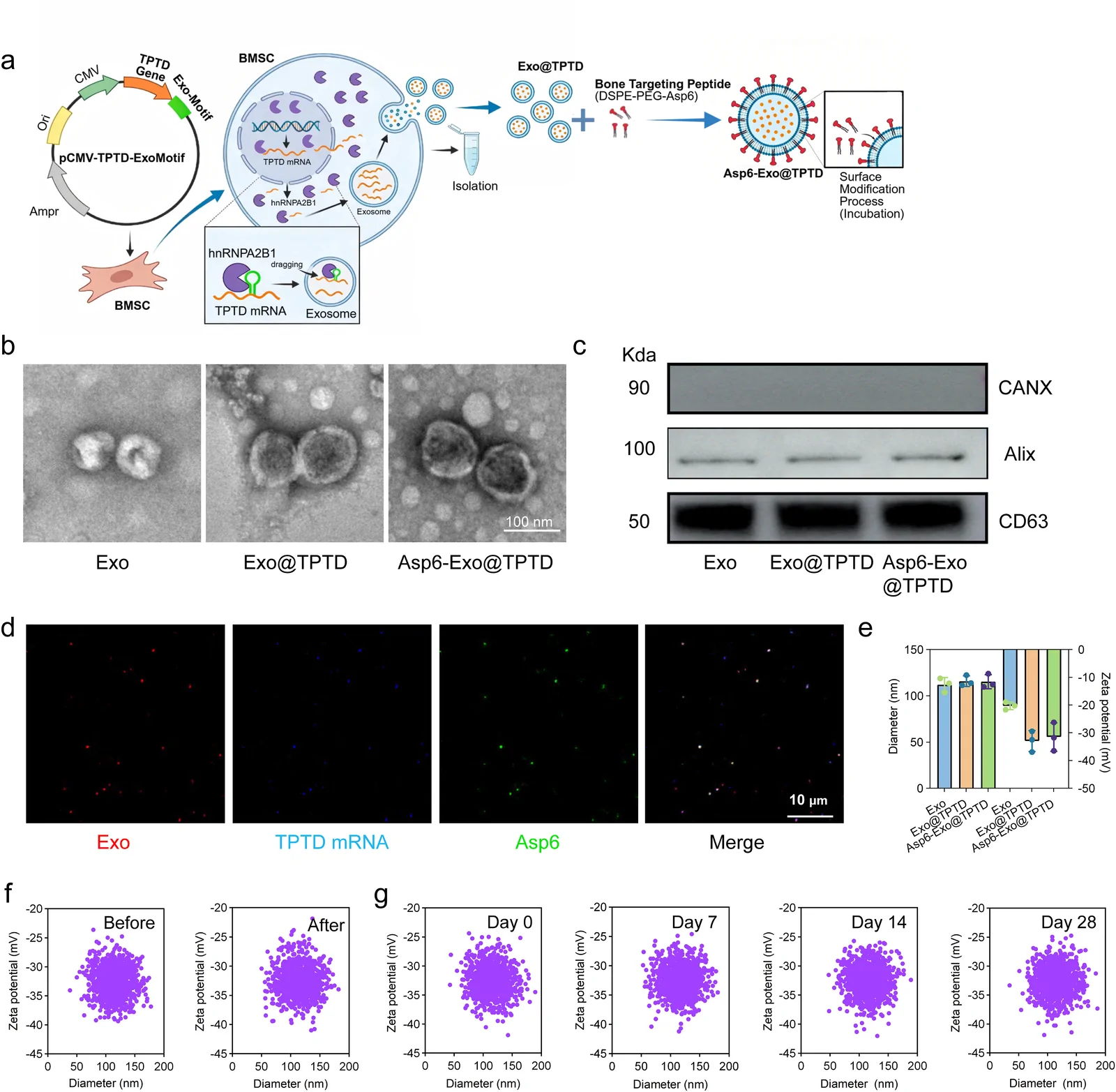
An animal experiment in mice with osteoporosis induced by ovary removal tested a bone-targeting delivery system. It used exosomes, tiny particles released by cells, carrying messenger RNA instructions for making teriparatide, a bone-building drug. Researchers modified the particles’ surfaces to help them bind to bone.
Weekly doses reduced bone loss and improved the structure of spongy bone. They increased a blood marker of bone formation and the rate at which new bone mineral was deposited. The researchers detected no obvious abnormalities in major-organ tissue or significant changes in blood calcium or routine measures of liver and kidney function.
Why it matters
Teriparatide treatment for osteoporosis, an age-related disease, requires repeated dosing because the drug does not stay in circulation long. Targeted delivery may offer a way to address this limitation.
Caveats
These were animal experiments using ovary removal to model osteoporosis, not tests in people. The tolerability checks were preliminary and did not establish safety in humans.
- ASP6
- Teriparatide mRNA-loaded exosomes
- Extracellular matrix remodeling
- Stem cell differentiation
- Bone loss
- Mice
The paper
Bone-targeting engineered exosomes delivering teriparatide mRNA for the treatment of osteoporosis
Capital Medical University
Regenerative Therapy, Oct 16, 2026, Open access