Particles from modified stem cells improve mouse heart function
In a mouse heart attack experiment, particles released by aged stem cells engineered to produce more apelin, a signalling protein, improved heart function.
Stem Cell Research & Therapy
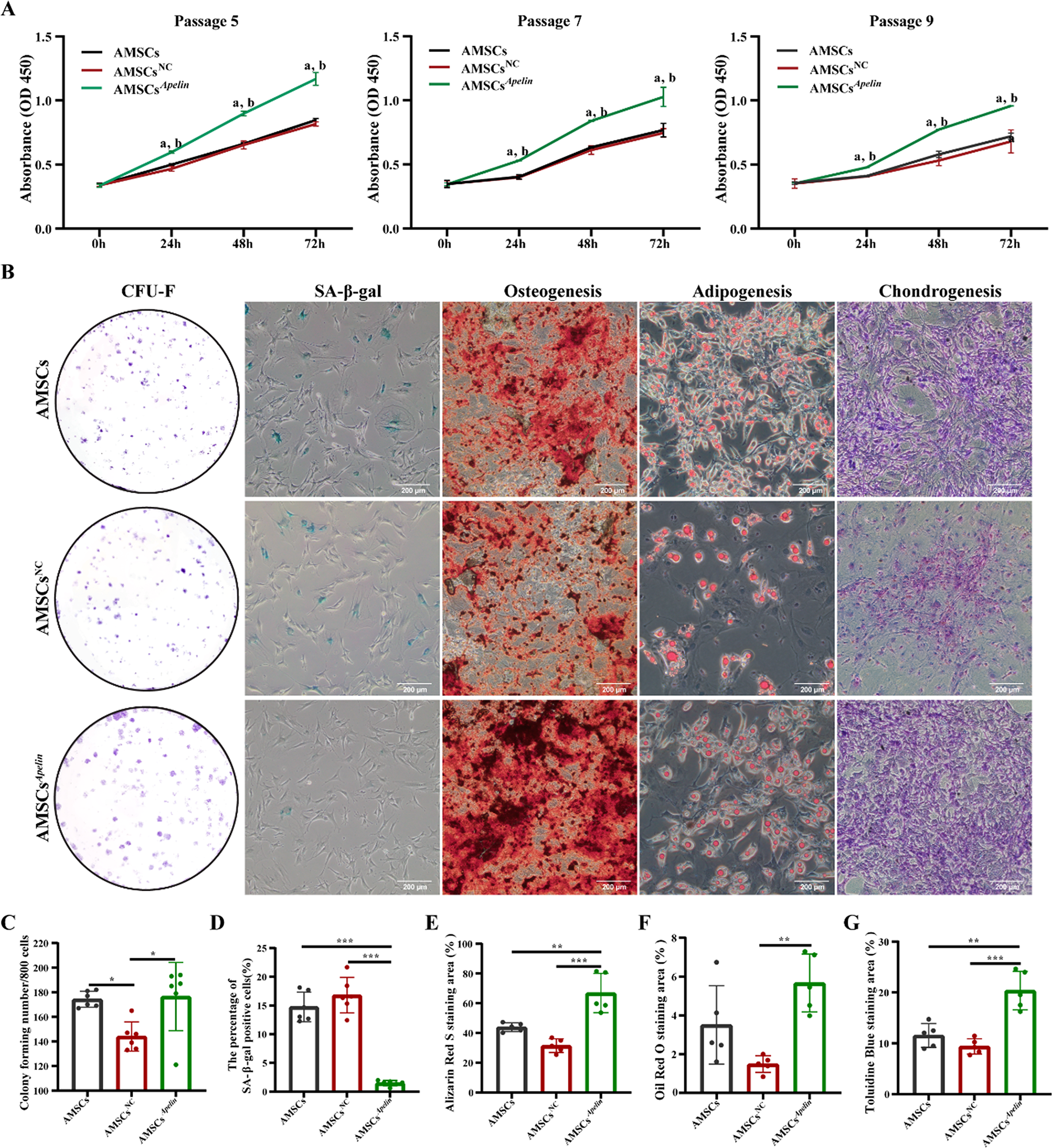
In laboratory experiments, researchers genetically modified aged mouse mesenchymal stem cells, which can develop into several cell types, to produce more apelin, a signalling protein. The modified cells retained their ability to divide and develop into different cell types during extended growth in the lab. They also showed less senescence, a state in which cells stop dividing.
The modified cells released more exosomes, tiny particles released by cells that carry biological material. When researchers gave these exosomes to mice after a heart attack, heart function improved. Scar-forming changes decreased, and new blood vessel growth increased.
Why it matters
Senescence limits the potential use of aged stem cells for heart repair. The findings offer a rationale for improving repair strategies based on the particles these cells release.
Caveats
These were experiments in lab-grown cells and a mouse heart attack model, not a study in people. The abstract did not report sample sizes or follow-up duration.
The paper
Zhang T, Liu J, Dilimulati H et al.
Stem Cell Research & Therapy · 8 Oct 2026 · CC BY