Pain-sensing nerve cells limited kidney injury in mice
A signal released by these nerves acted on immune cells to limit inflammation after kidney blood flow was interrupted and restored in mouse experiments.
Limit: High mortality prevented adequate analysis of male mice, leaving formal experiments restricted to females
Edited by Boris Djordjevic · AgingResearch.News
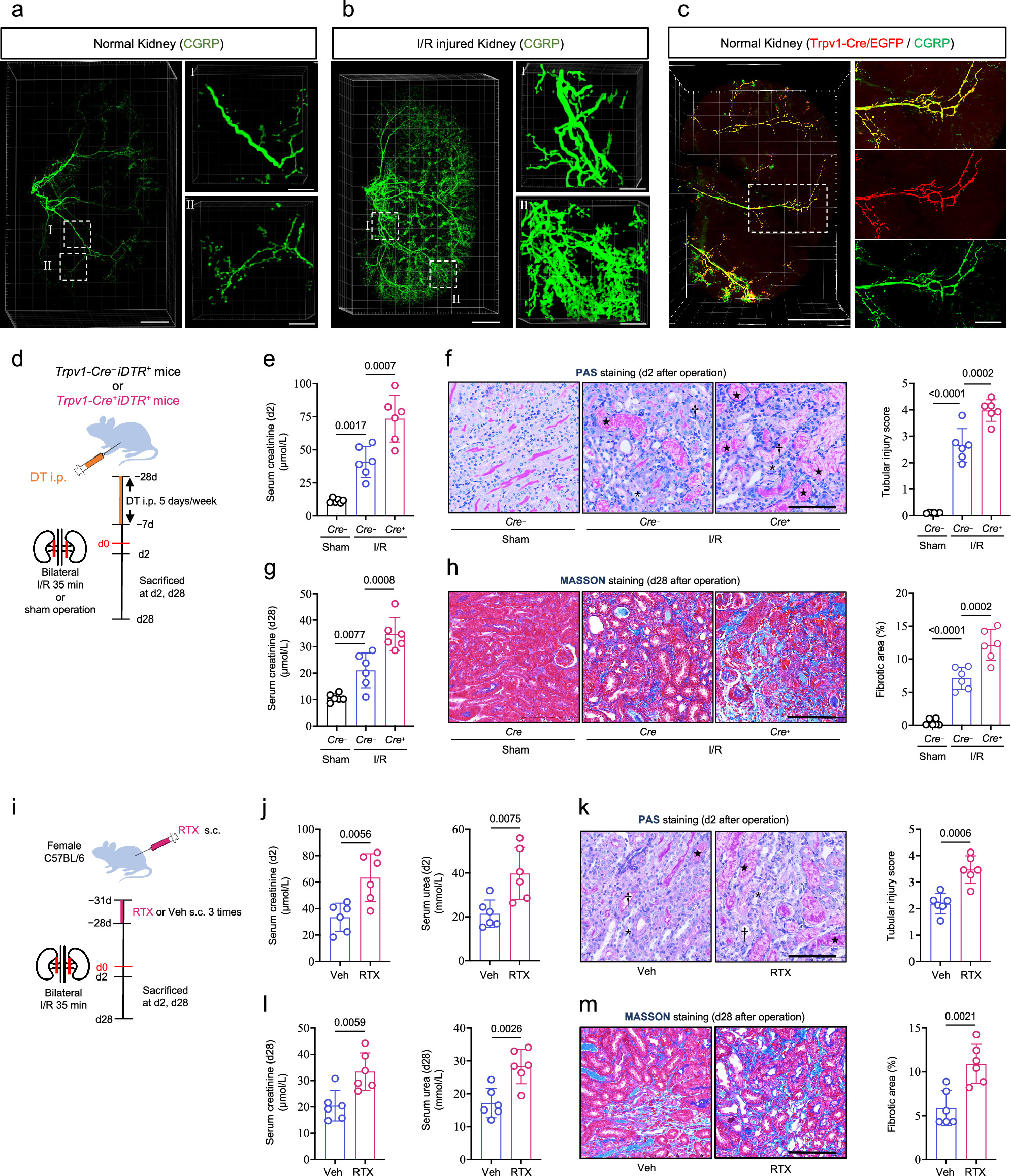
In experiments in mice, researchers tested how pain-sensing nerves affected kidney injury after blood flow was interrupted and restored. Destroying one group of these nerve cells worsened kidney function, damage to the kidney’s tiny tubes, and scarring. Activating them had protective effects.
Calcitonin gene-related peptide (CGRP), a signaling molecule released by these nerves, acted on monocytes and macrophages, two types of immune cells. It suppressed inflammatory signals, limiting the buildup of certain immune cells and damage to kidney tubes. Researchers also found reduced CGRP levels in kidneys from older adults and people with diabetes, and in corresponding mouse models. Giving CGRP reduced kidney injury in these mouse models.
Why it matters
Older adults face a high risk of acute kidney injury and chronic kidney disease. The findings suggest that communication between nerves and immune cells may offer a target for limiting kidney damage in this vulnerable population.
Caveats
The protective effects came from mouse experiments, not tests of CGRP in people. Reduced CGRP levels in human kidneys do not show that giving it would benefit older adults or people with diabetes.