Blocking an immune signal sped wound closure in aged mice
Blocking CCL3, a signal that attracts immune cells, from day four after injury reduced their accumulation and accelerated wound closure in aged mice.
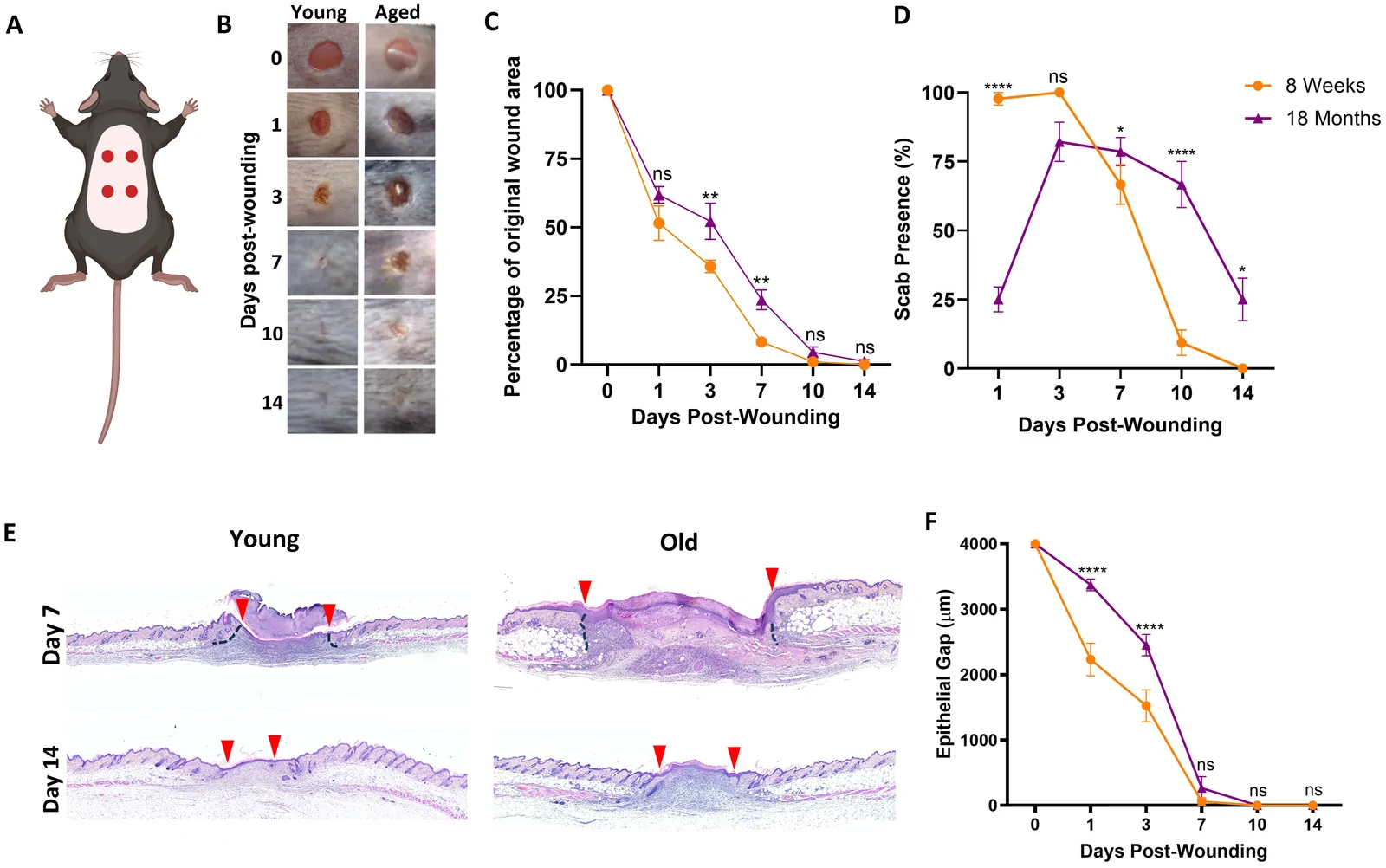
Limit: Excluding wounds with hair-cycle changes could bias the wound-closure comparison
Edited by Boris Djordjevic · AgingResearch.News
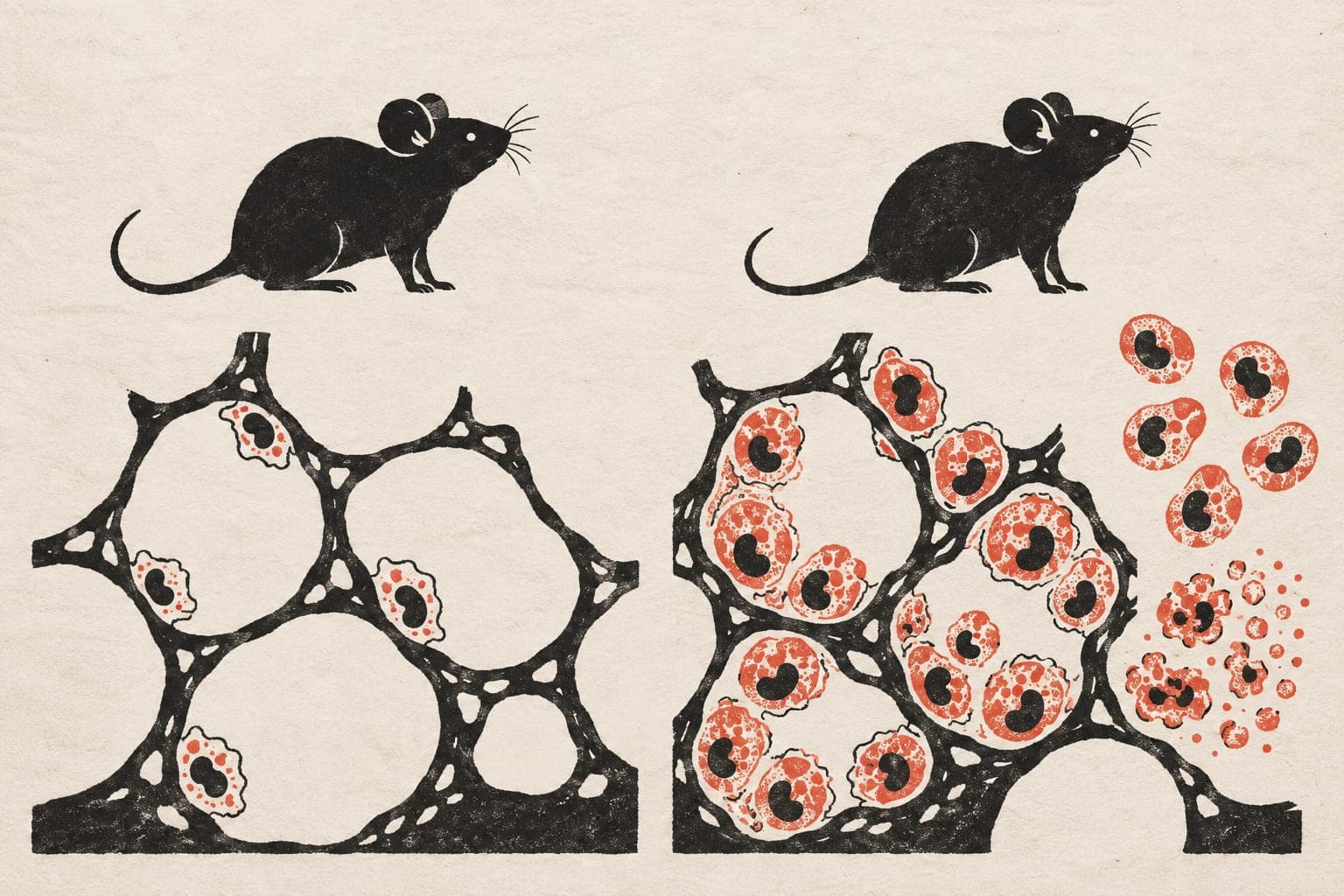
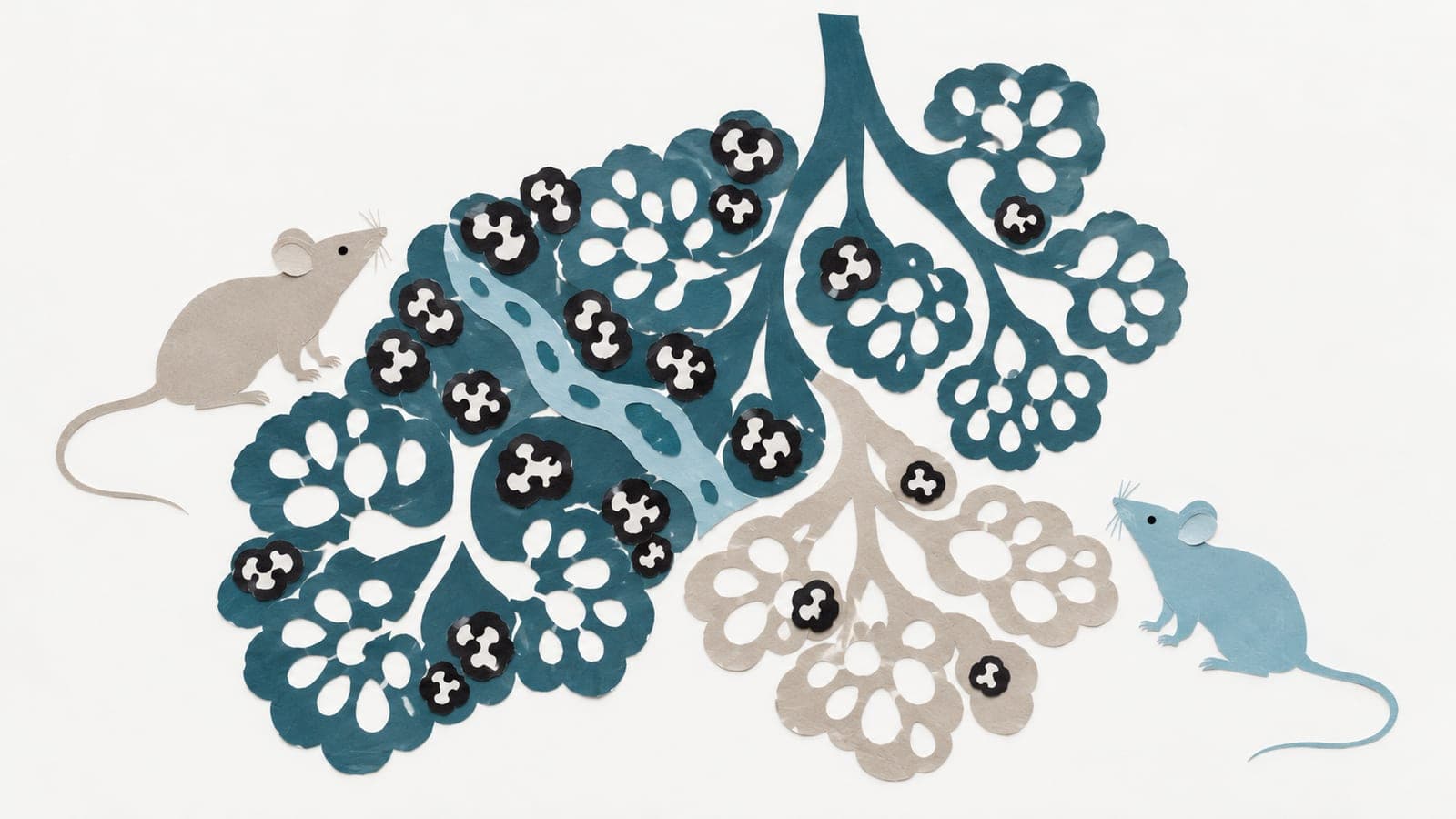
In experiments in aged and young mice, researchers examined why inflammation persisted and wounds closed more slowly with age. Neutrophils, immune cells involved in early repair, remained in aged wounds from days 7 to 14 after injury, long after their numbers had subsided in young wounds.
Aged wounds had fewer macrophages, immune cells that can clear neutrophils, and fewer interactions between the two cell types. Their gene activity also retained signs of inflammation rather than shifting toward repair. CCL3, a signal that attracts neutrophils, remained elevated in aged wounds. Researchers blocked CCL3 starting four days after injury, after the initial inflammatory response. This reduced neutrophil accumulation and accelerated wound closure.
Why it matters
Delayed wound healing in advanced age is associated with prolonged inflammation. The study points to a possible way to help that inflammation resolve after the initial repair response.
Caveats
The blocking experiment was in mice, so it does not establish whether targeting CCL3 would improve wound healing in people.
From the paper
- Limitation
Our transcriptional analyses were performed on whole wound tissue using a myeloid-focussed panel rather than purified populations, limiting cell-type resolution.
Quoted word for word from the full text on frontiersin.org.
The paper
Centre for Inflammation Research
Frontiers in Immunology, Oct 7, 2026, Open access