Spirits and beer linked to acute kidney injury in UK drinkers
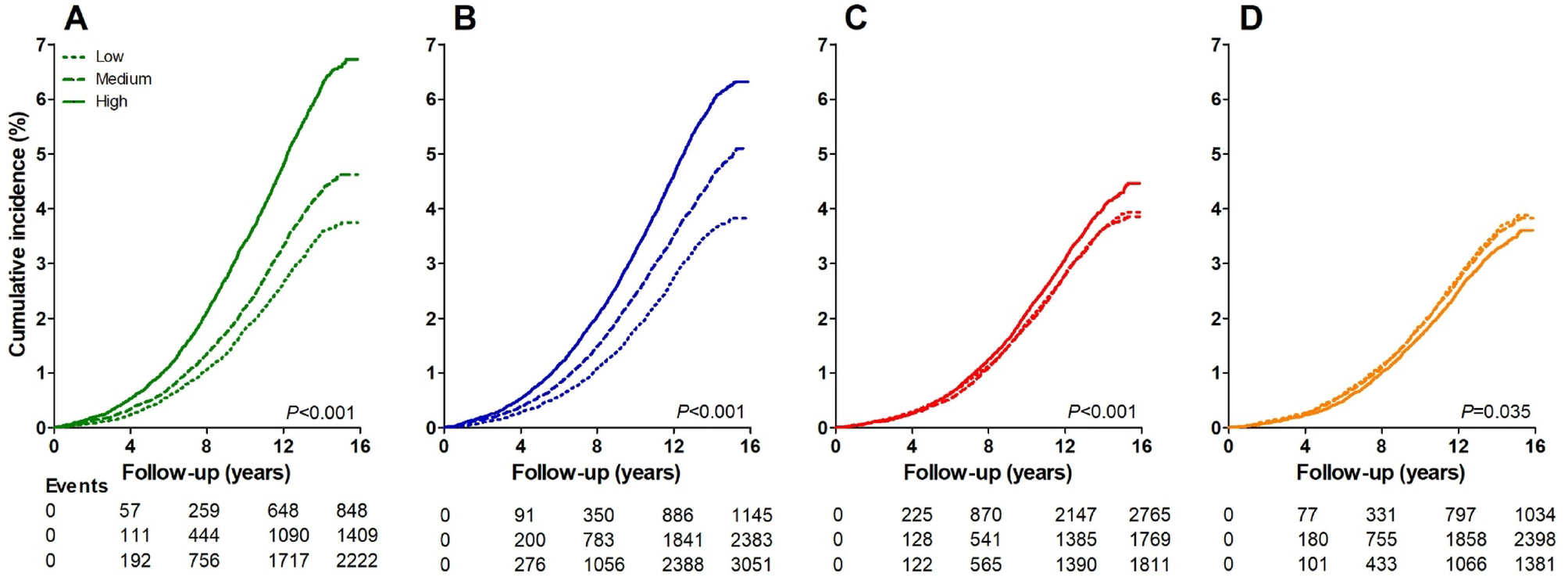
In 250,791 current drinkers, spirits and beer had hazard ratios—measures of relative risk over time—of 1.40 and 1.24, respectively, for acute kidney injury.
Dose-response
Limit: Self-reported baseline drinking could misclassify alcohol exposure over follow-up
Edited by Boris Djordjevic · AgingResearch.News
An observational study followed 250,791 UK Biobank participants who currently consumed alcohol for a median 14.0 years. Participants reported their weekly alcohol intake at baseline. Researchers also measured C-reactive protein, a blood marker of inflammation, and neutrophils, a type of white blood cell.
After accounting for other measured factors, spirits and beer consumption were associated with acute kidney injury, a sudden decline in kidney function, independently of liver disease. The researchers found no association for red or white wine. Higher spirits and beer consumption also went with higher levels of both inflammation measures. Higher red and white wine consumption went with lower levels.
Why it matters
The study addressed whether alcohol-related kidney damage might involve more than liver disease—a question relevant to maintaining kidney health in later life.
Caveats
The observational design could not establish cause and effect, and the cohort included only current alcohol consumers. The abstract did not specify the intake comparisons behind the hazard ratios.


