Metformin trial found no significant blood gene activity changes
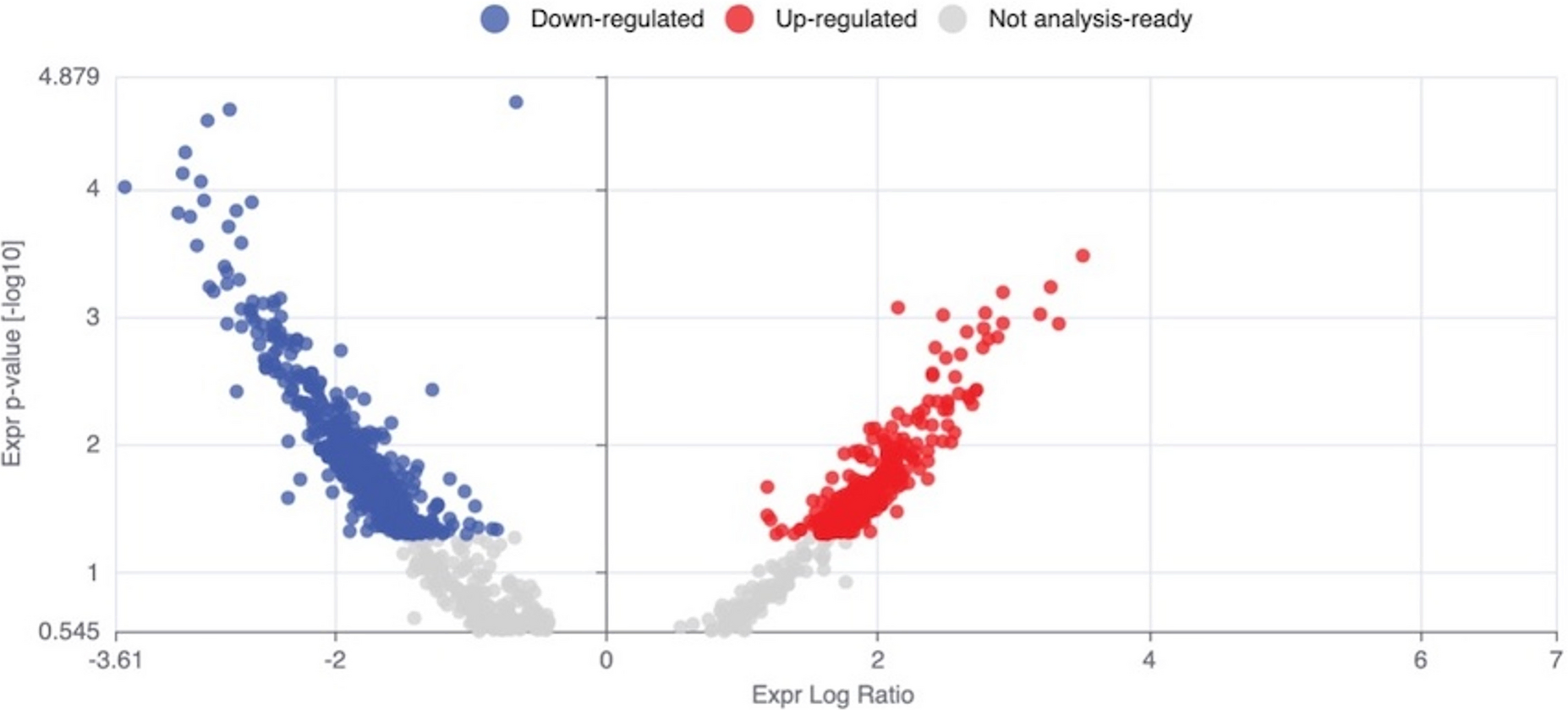
A randomized trial sub-study in 15 older adults with macular degeneration found no significant differences in individual genes, but tentative inflammation-related signals.
Registered NCT02684578
Limit: Knowing treatment assignment could have changed participants’ diets, affecting blood gene activity
Edited by Boris Djordjevic · AgingResearch.News
Fifteen adults aged 55 or older without diabetes, all with age-related macular degeneration, provided blood samples for a randomized trial sub-study. They had geographic atrophy, a form of tissue loss in the eye. Eight participants were assigned to metformin and seven to a control group. The metformin group was prescribed 1,000 milligrams twice daily for 18 months. Researchers analyzed gene activity in whole blood.
No individual gene differed significantly between groups after the researchers accounted for testing many genes. A secondary, hypothesis-generating analysis suggested reduced activity in pathways involved in inflammatory signaling, cell connections and changes in cell identity. It also suggested possible suppression of molecules that promote inflammation and activation of molecules that restrain it. The authors described these signals as potentially consistent with changes in age-related inflammation.
Why it matters
The study explored whether metformin might influence age-related inflammation in people without diabetes, beyond its use to lower blood sugar.
Caveats
The pathway signals came from a secondary, hypothesis-generating analysis of just 15 participants and need validation in larger groups. The study did not include people with diabetes or reduced kidney or liver function.

