A pathway may link liver protein clumps and senescence in mice
Experiments in two mouse models of liver disease found protein clumps alongside signs of senescence, a state in which cells stop dividing.
3 mice
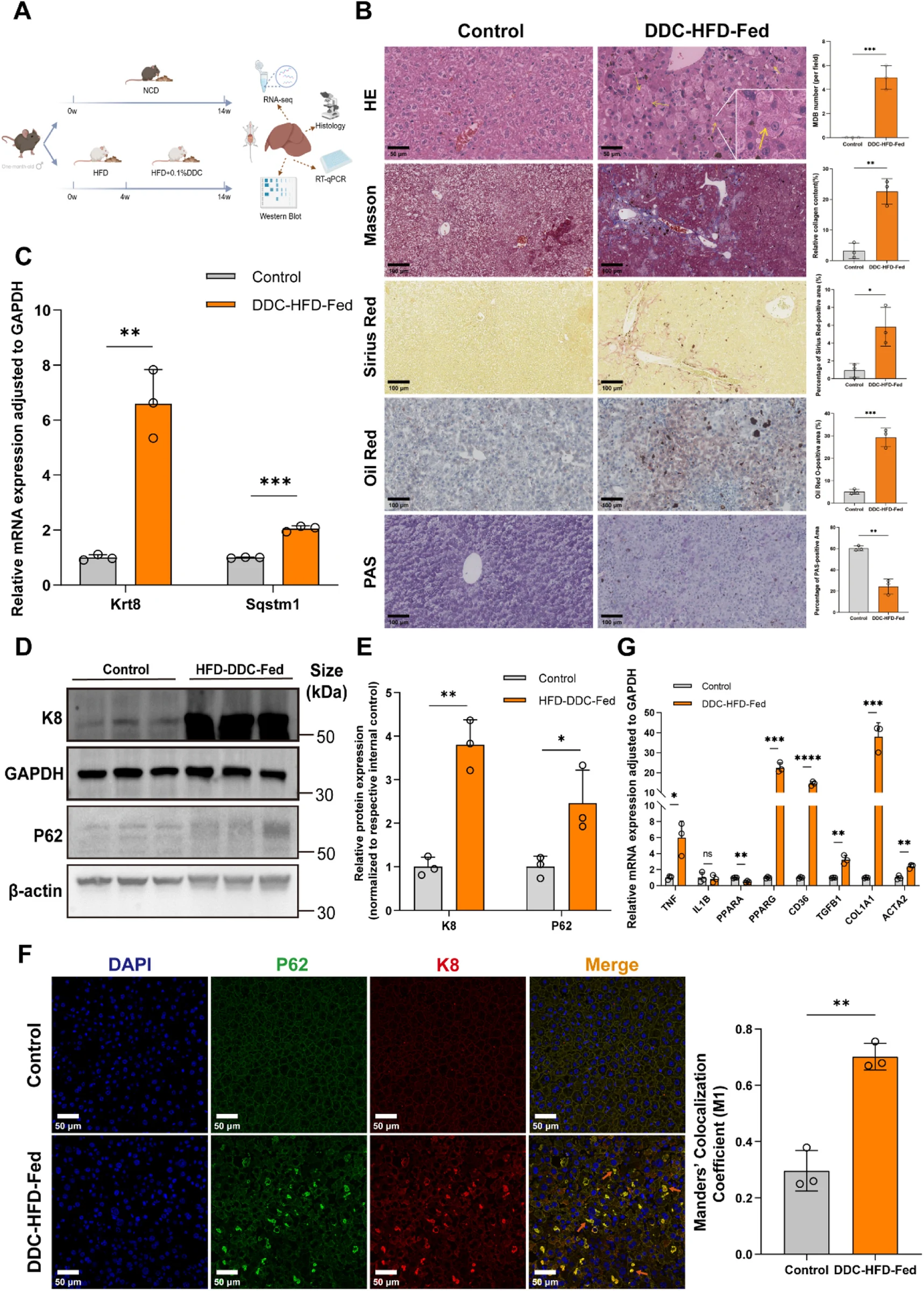
In experiments in mice, researchers created two liver disease models: one involving fatty liver inflammation and the other liver scarring. Both developed Mallory-Denk bodies, abnormal protein clumps inside liver cells, alongside signs of cell senescence. Both also showed activation of p38, a protein that passes signals within cells.
In liver cells grown in the lab, inhibiting p38 reduced clump formation and signs of senescence. Three human liver cancer specimens also showed p38 activation. Together, the findings suggested that a pathway involving p38 and transforming growth factor beta, another signalling protein, may help regulate both clump formation and liver cell senescence.
Why it matters
Cell senescence is an aging-related process. The proposed shared pathway may help researchers understand liver diseases in which senescence and protein clumps occur together.
Caveats
The reported reductions in clumps and signs of senescence came from cells grown in the lab, not people. The human evidence was limited to three liver cancer specimens.
The paper
Xinjiang Medical University
Archives of Gerontology and Geriatrics, 1 Oct 2026, Open access


