Drug linked to reduced liver scarring in mice
In mouse experiments, drug use was also associated with partial recovery of signalling in cells lining the liver’s smallest blood vessels.
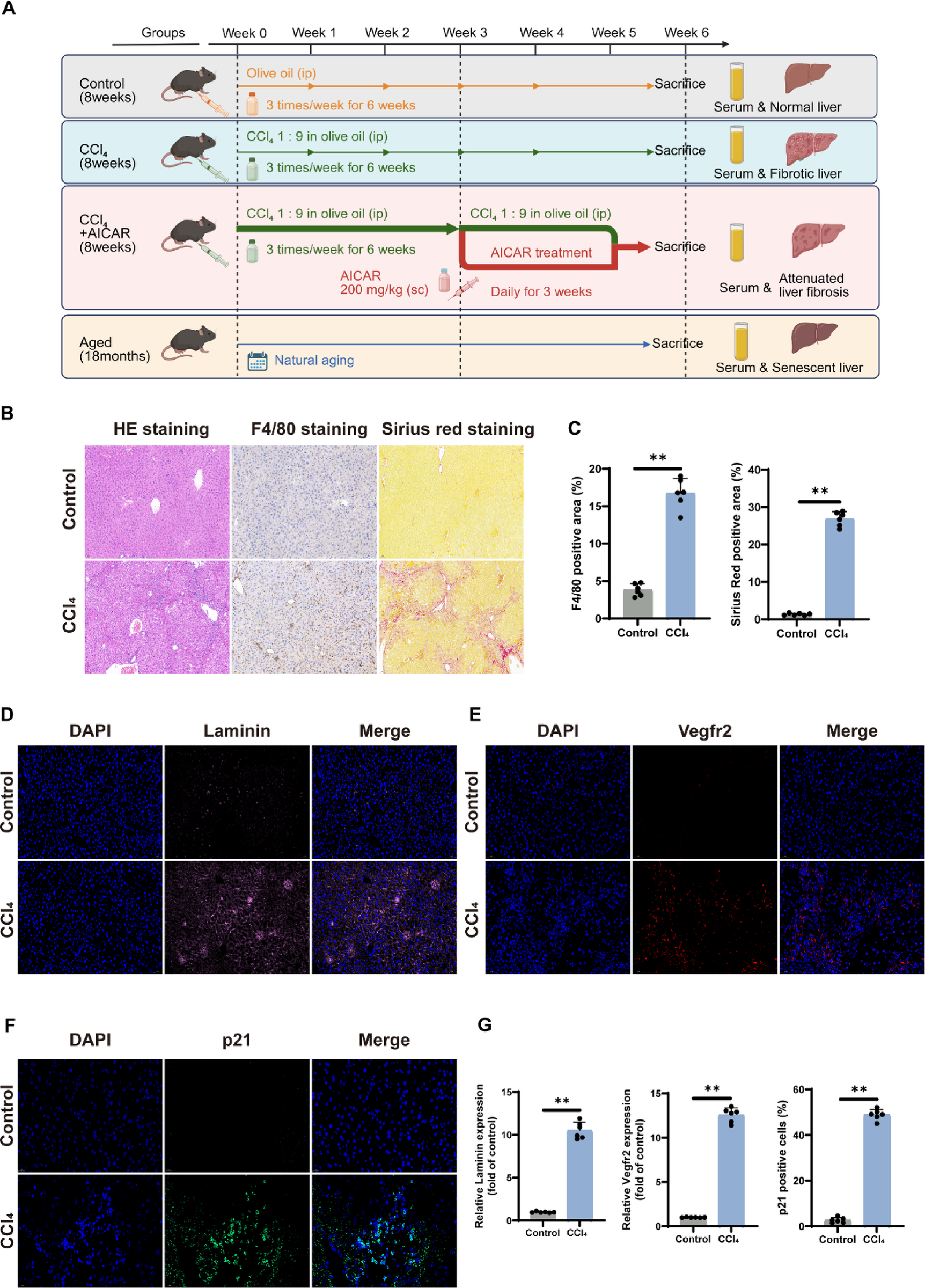
Researchers studied mice with chemically induced liver fibrosis, or scarring, and naturally aged mice in animal experiments. They examined specialised cells lining the liver’s smallest blood vessels. In mice with scarring, these cells lost small pores and became less effective at clearing substances. They also had higher levels of markers of senescence, a state in which cells stop dividing. Some changes overlapped with those in naturally aged mice, suggesting an aging-like pattern.
Analysis of gene activity suggested that disruption of a cell-signalling pathway may contribute to these changes. The researchers also tested a drug that activates an energy-sensing protein. Drug use was associated with partial restoration of that pathway in the vessel-lining cells. It was also associated with less liver scarring.
Why it matters
Senescence-related pathways in cells lining liver vessels may offer targets for liver fibrosis, a consequence of chronic liver injury.
Caveats
These were animal experiments using chemically induced liver scarring. They do not establish whether the drug would help people with liver fibrosis.
The paper
First Affiliated Hospital of Xi'an Jiaotong University
Scientific Reports, 10 Oct 2026, CC BY-NC-ND