Advances in disease management and treatment outcomes for obesity and knee osteoarthritis in primary care practice
Abstract
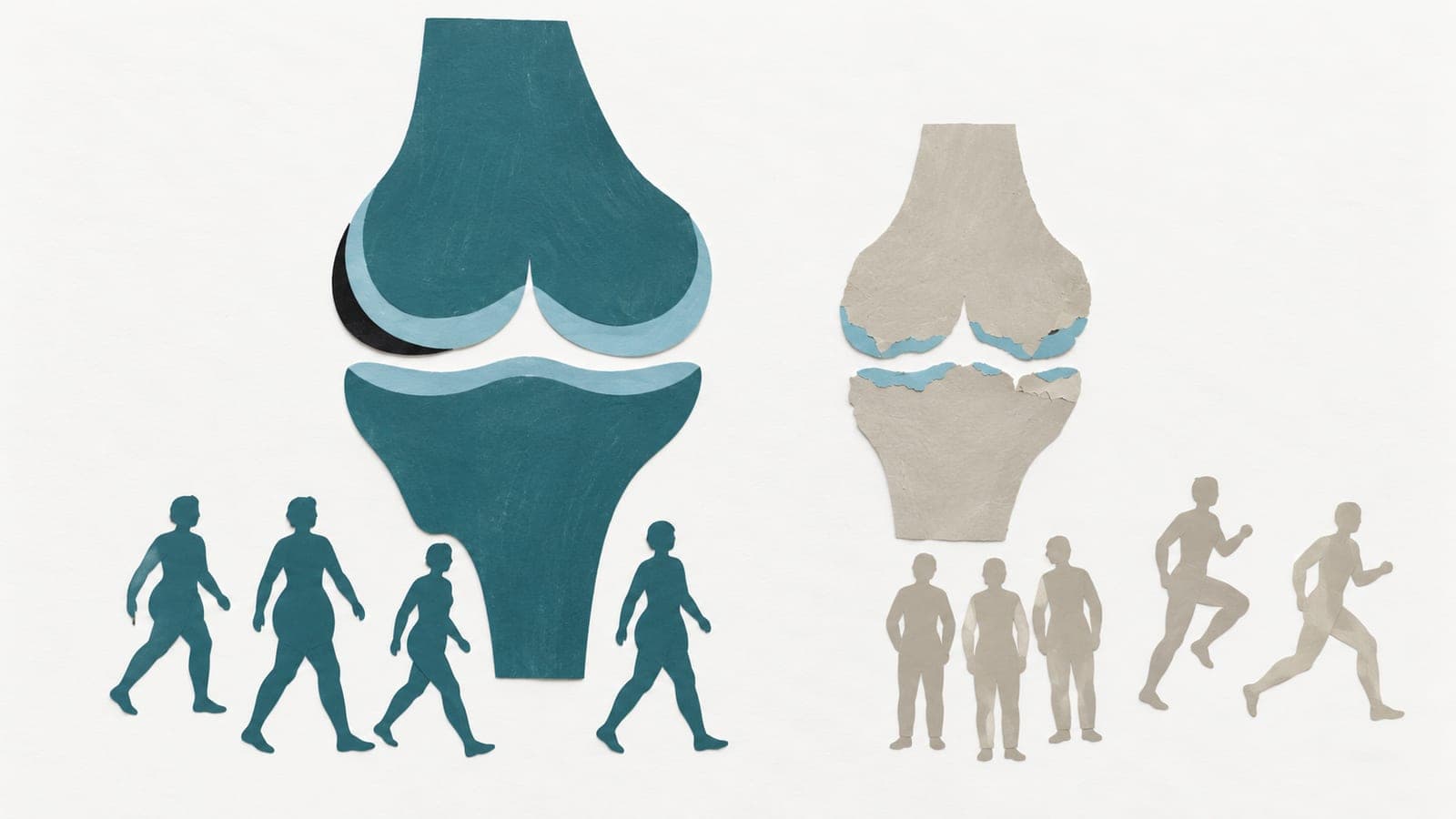
The lifetime risk of developing knee osteoarthritis (KOA) is approximately doubled in people with obesity compared with those without obesity. Many patients with KOA are treated by primary care physicians in the community setting. We performed a targeted literature search on PubMed to identify relevant literature describing the impact of weight loss in patients with obesity and KOA. A strong body of evidence supports the use of weight loss through lifestyle interventions, including caloric restriction in combination with exercise, as a primary intervention in patients with KOA and obesity. Studies show that these interventions are associated with improvements in pain, physical function, and quality of life; however, adherence to lifestyle interventions can be challenging, even with individually tailored programs. Obesity medications, such as glucagon-like peptide-1 receptor agonists, are emerging as a new addition to weight management approaches in KOA, with a recent phase 3 clinical study demonstrating the benefits of semaglutide for weight loss in adults with KOA and high body mass index. Although initial data are promising, further clinical evidence is required, and perceived barriers to use need to be addressed before obesity medications can be widely adopted into clinical practice for patients with KOA. Specifically, further data are required to guide decisions regarding optimal treatment duration with obesity medications and to establish their tolerability profile associated with longer-term use. The importance of preserving functional muscle mass in patients with KOA and mitigation of weight regain after obesity medication treatment withdrawal are also identified as areas warranting further research. In this narrative review, we provide practical recommendations to primary care physicians on integrating obesity medications into weight-loss programs, including patient screening, risk stratification, communication, use of guidelines, and the benefits of a multidisciplinary approach.
The paper
University of North Carolina at Chapel Hill
Current Medical Research and Opinion, 15 Oct 2026