Depression and thinking skills were linked in older adults
An observational analysis of 4,412 adults aged 60 and over linked larger reductions in depressive symptoms with greater improvements in thinking skills after a community programme.
Non-randomised trial
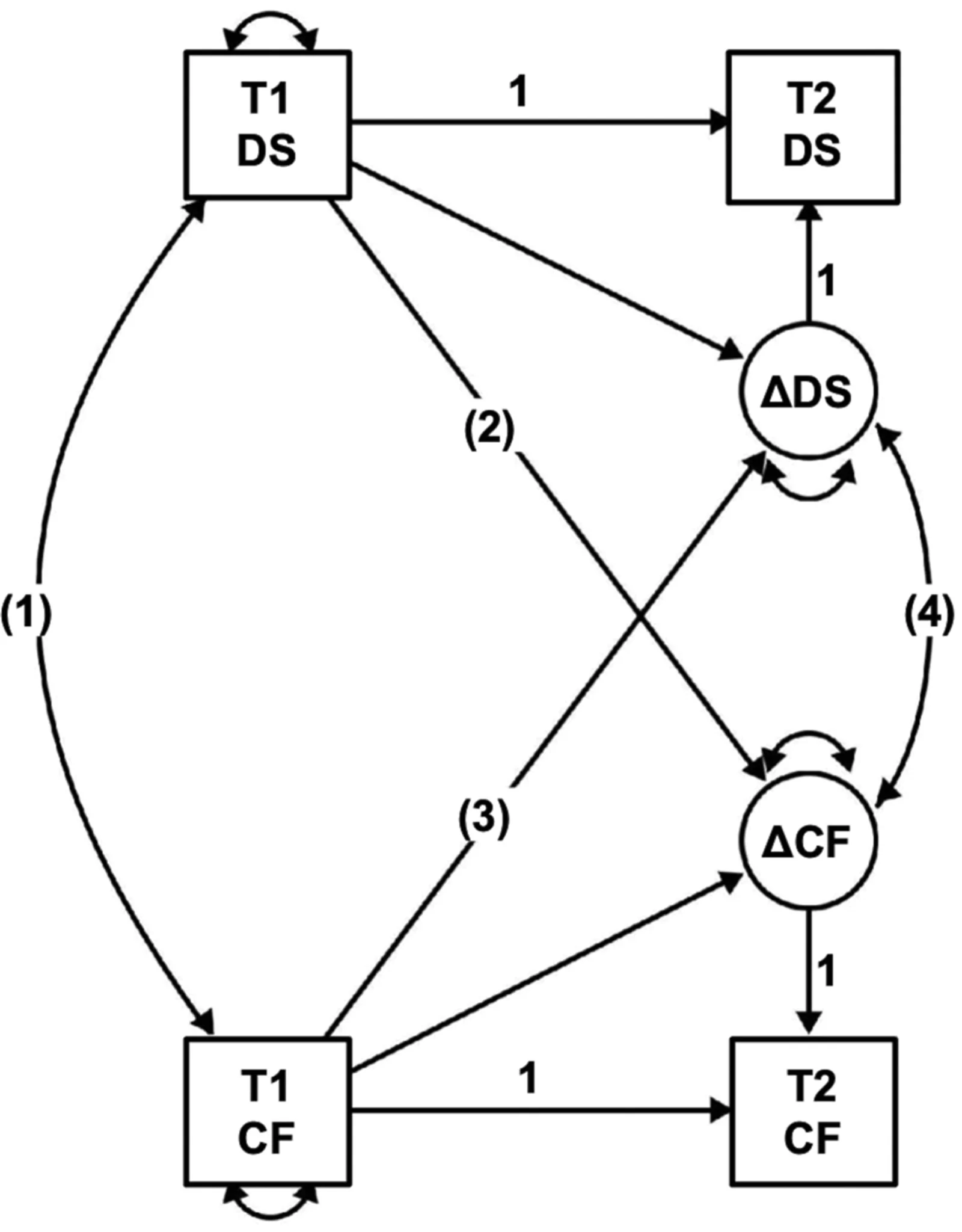
In an observational study, 4,412 adults aged 60 and over with mild to moderate depressive symptoms completed assessments before and after JC JoyAge, a community mental health programme. The assessments covered depressive symptoms and thinking skills, including attention, language and memory. Researchers used statistical models to examine changes in both and how they were related.
On average, depressive symptoms and thinking skills improved after the programme. Larger reductions in symptoms were associated with greater improvements in thinking skills. Better thinking skills at the start predicted larger reductions in depressive symptoms. Fewer depressive symptoms at the start predicted greater improvements in overall thinking skills, attention and memory.
Why it matters
Depression is a modifiable predictor of dementia. The findings support further investigation into whether combining support for mood and thinking skills could help prevent cognitive decline.
Caveats
This observational analysis could not establish that the programme caused the improvements or that depression and thinking skills affected each other. The findings should not be assumed to apply to people under 60 or those with severe depressive symptoms.
The paper
University of Hong Kong
Innovation in Aging, 31 Aug 2026, Open access