Depression linked to lower expected lifespan in older adults
In an observational study of 5,259 older adults in Thailand tracked for nine years, rising depressive symptoms predicted drops in how long they expected to live.
Archives of Gerontology and Geriatrics
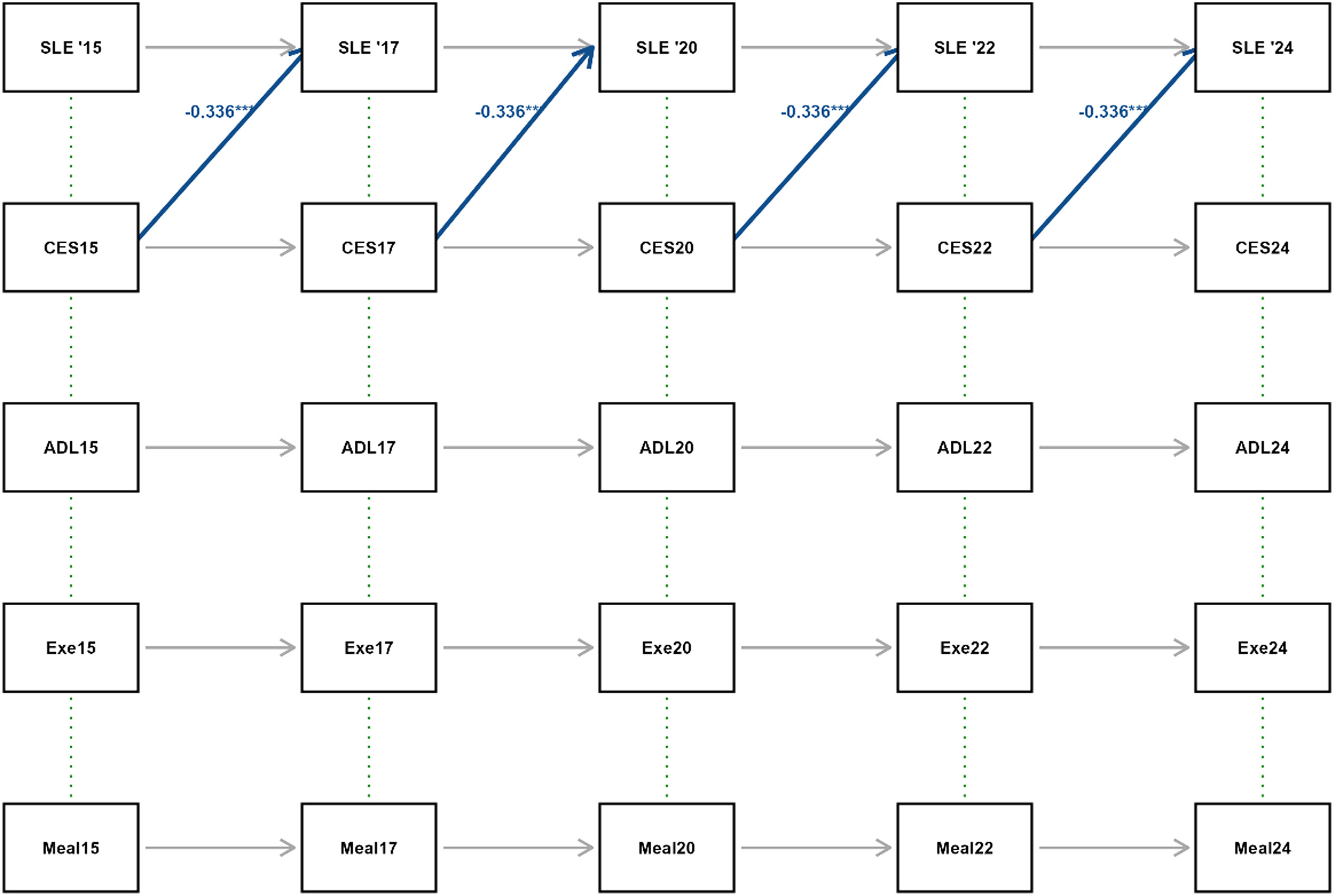
An observational study followed 5,259 older adults in Thailand across five survey waves between 2015 and 2024. Researchers tracked how individual changes in depressive symptoms, daily functional limitations, exercise frequency, and skipped meals related over time to subjective life expectancy, which is how long people expect to live. When a participant experienced an increase in depressive symptoms, that increase consistently predicted a subsequent decline in how long they expected to live. In contrast, shifts in subjective life expectancy did not reliably predict later functional limitations, exercise frequency, or meal skipping.
Why it matters
The findings suggest that psychological distress may be an important influence on older adults' expectations about their own longevity, providing insight into how mental health interacts with views on aging.
Caveats
Because the analysis relied on observational survey data and measured expected lifespan with a single question, it cannot show that depressive symptoms directly caused the lower expectations.
The paper
Archives of Gerontology and Geriatrics · 7 Oct 2026