Ergothioneine carbon dot nanozymes reduce intervertebral disc degeneration in an animal model
The antioxidant nanozymes scavenged reactive oxygen species and reduced mitochondrial damage to protect nucleus pulposus cells.
Antioxidants
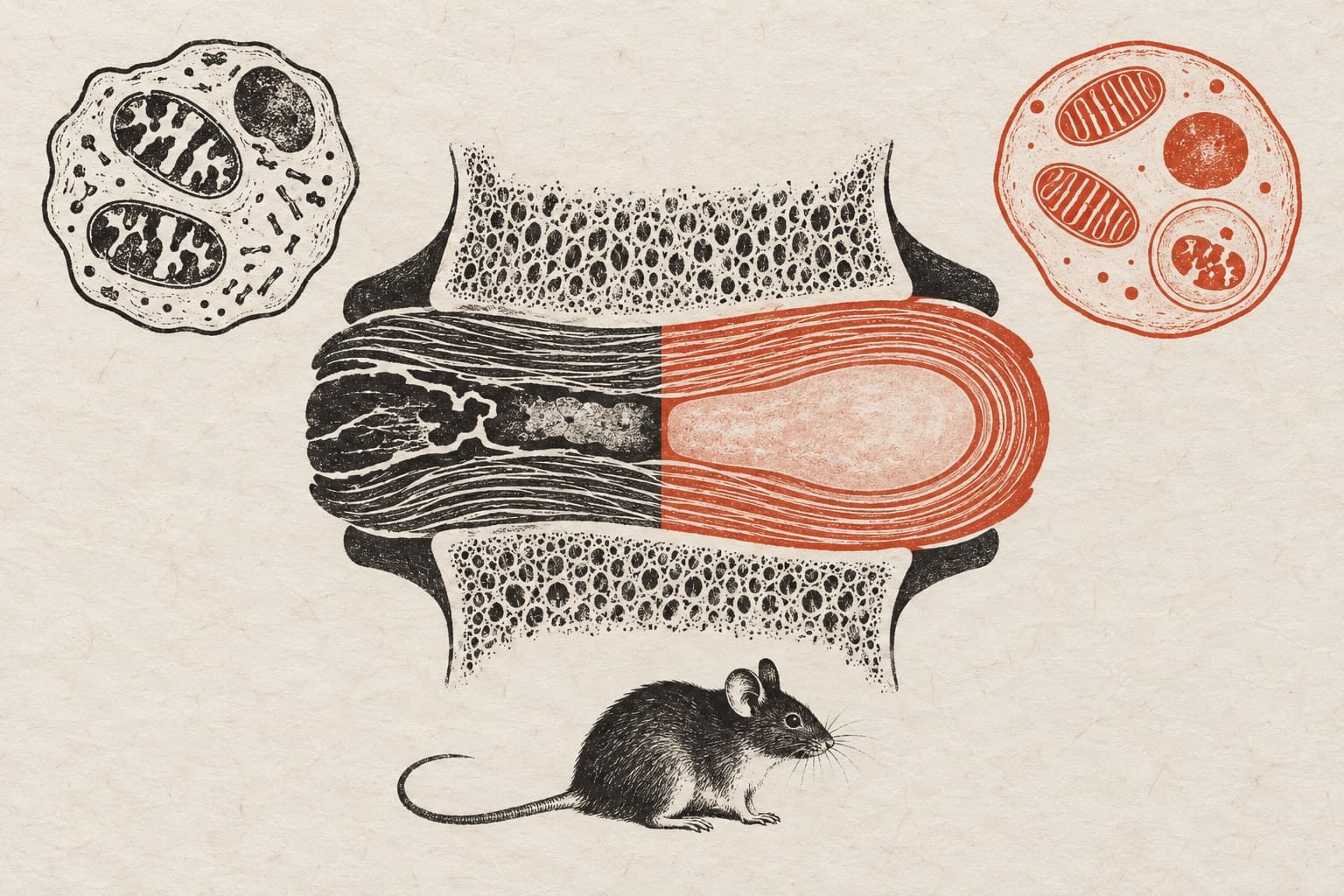
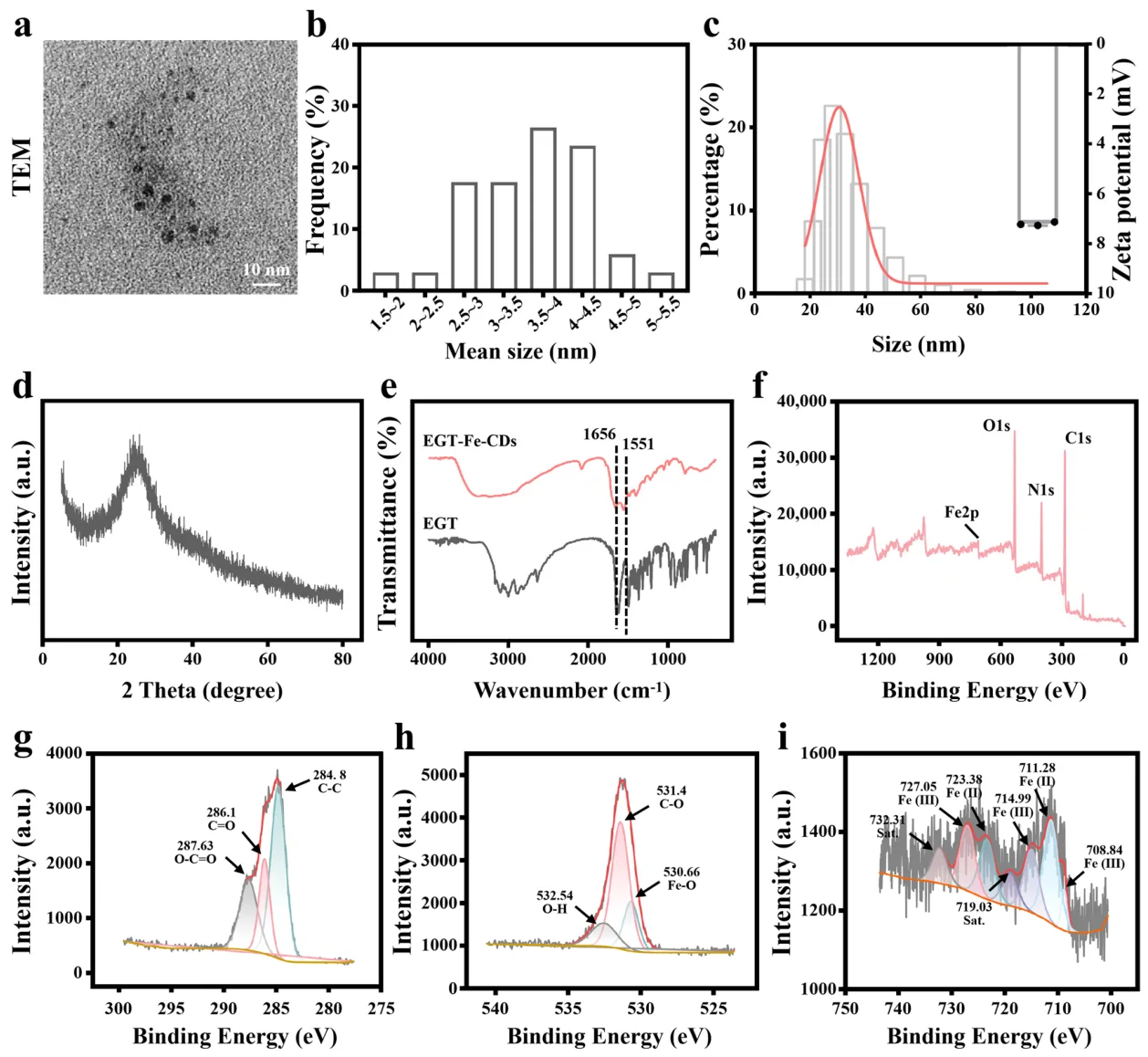
In an animal model and cultured nucleus pulposus cells, researchers tested whether ergothioneine-derived carbon dot nanozymes could slow intervertebral disc degeneration. The team synthesized the nanozyme, named EGT-Fe-CDs, which showed biocompatibility, high total antioxidant capacity, and superoxide dismutase-like and catalase-like activities. In cell experiments, treating hydrogen peroxide-exposed nucleus pulposus cells with EGT-Fe-CDs lessened cellular damage. The nanozymes also decreased mitochondrial damage linked to excess reactive oxygen species and slowed the aging of nucleus pulposus cells. In the animal model, local treatment with the nanozymes reduced tissue degeneration. Disc evaluations revealed beneficial effects on imaging markers, the disc height index, and Pfirrmann grading.
Why it matters
Accumulation of reactive oxygen species drives cell senescence and tissue deterioration in spinal discs. Nanozymes that neutralize oxidative stress could provide a way to protect mitochondrial integrity and preserve aging musculoskeletal tissues.
Caveats
Findings are limited to cell cultures and an unspecified animal model, and the abstract reports no sample sizes or human clinical data.
The paper
Yangzhou University
Antioxidants · 28 Aug 2026 · CC BY