Higher strain across body systems linked to lung cancer
The lung cancer hazard ratio—a comparison of diagnosis rates over time—was 1.629 for participants with high versus normal strain across body systems.
Researchers followed 336,945 UK Biobank participants in a prospective observational cohort study. They assessed allostatic load, a combined measure of strain across several body systems associated with chronic stress. They also assessed genetic susceptibility and analysed proteins in blood plasma, the liquid part of blood.
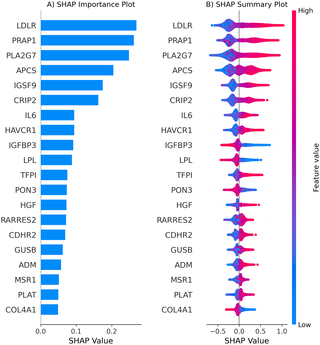
Higher allostatic load was associated with greater lung cancer risk. The link was strongest for small-cell lung cancer, one type of the disease. Allostatic load added information about risk beyond existing eligibility rules for screening with low-dose computed tomography, a type of X-ray scan. Exploratory protein analyses suggested that inflammation, metabolism and processes involving proteins that signal cell growth may link cumulative physiological strain to lung cancer development.
Why it matters
Accumulated strain across body systems bears on questions about vulnerability to disease as people age. The authors suggested that adding this measure to risk models may help identify people at elevated lung cancer risk.
Caveats
This observational study could not establish cause and effect, and the protein findings were exploratory. The findings came from UK Biobank participants; their applicability to other populations remains uncertain.
The paper
Nanjing Medical University; Affiliated Hospital of Nanjing University of Chinese Medicine
PLOS Digital Health, 14 Oct 2026